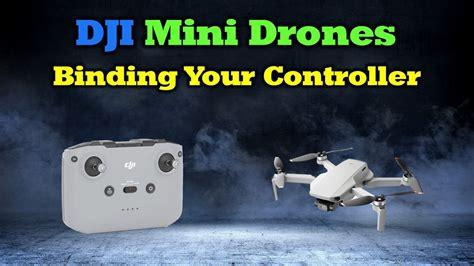
DJI has announced a sweeping account binding policy update that could have massive implications for anyone involved in the buying or selling of used DJI drones. Set to take effect on June 19, 2025, the policy shift means only the current account holder—the one to whom the device is currently bound—will be able to initiate a request to bind, unbind, or rebind a DJI drone or device.
This change effectively closes a crucial backdoor that many users relied on: DJI customer support assistance. Previously, if a seller forgot to unbind their device or lost access, new buyers could sometimes contact DJI directly to request a reset. That’s no longer an option. DJI will no longer process binding or unbinding requests unless they originate directly from the bound account.
This puts intense new pressure on anyone in the used drone market. Buyers now bear the full burden of verifying device status before purchase, while sellers must diligently unbind their drones prior to any transaction.
What DJI’s New Binding Policy Means for Drone Buyers and Sellers
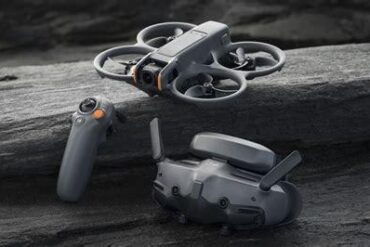
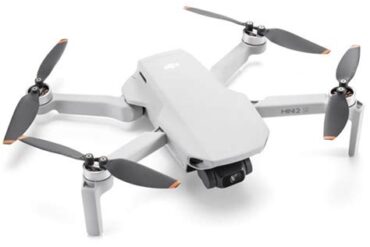
The consequences of this policy update are stark. Imagine purchasing a secondhand DJI Mini 4 Pro from a seller on eBay. If that seller failed to unbind the drone from their DJI account, you would be completely locked out. The drone would remain tethered to the previous account, and you would be unable to fly it, register it, or even use it with your own remote or FPV goggles.
DJI’s updated system simply won’t allow new users to complete binding unless the device is already disassociated from any previous account. This introduces a major risk factor in used drone purchases, and DJI’s move effectively offloads the responsibility onto the user community.
It’s also a shift in tone. While DJI frames the change as an effort to bolster account security and user data protection, many in the drone community interpret it as a signal that DJI wants tighter control over its ecosystem.
Devices Affected by the June 19 Policy Change
This policy doesn’t just apply to hobbyist gear. The following categories are affected:
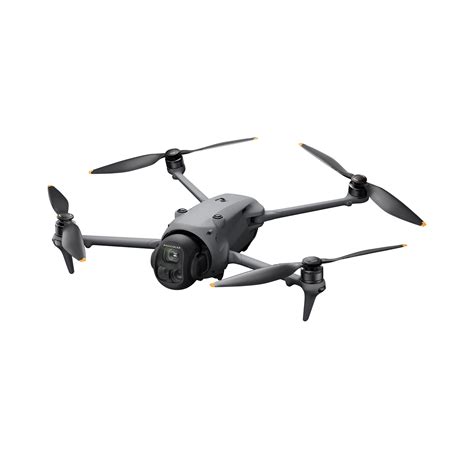
- Consumer drones: DJI Mini 4 Pro, DJI Mavic 4 Pro, DJI Air 3, DJI AA2
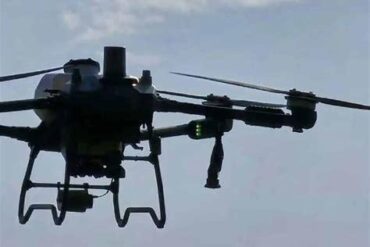
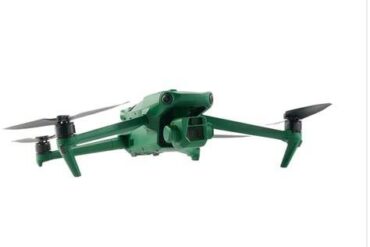
- Enterprise drones: Mavic 3E, Matrice 30T, Matrice 4T
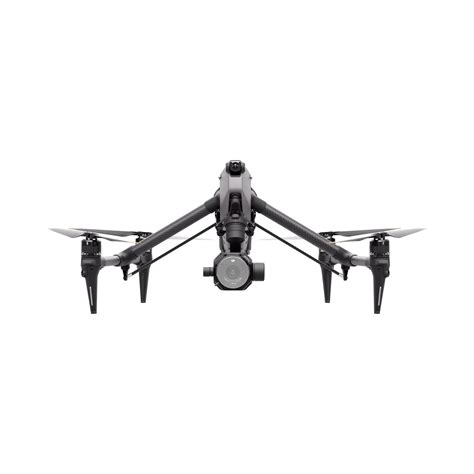
- Professional cinema drones: Inspire 3
- Handheld gear: Osmo Action 4, Pocket 3, Mobile 7P
If it’s part of DJI’s active product lineup and uses the DJI Fly app for activation and control, it falls under the scope of this new policy.
DJI’s Justification: Security or Lock-In?
DJI has cited account security as the primary driver for this new policy. The company argues that enabling only the original bound account holder to manage bindings ensures greater control and reduces the risk of stolen drones being resold or misused.
On the surface, the logic holds. Unauthorized access to a drone or DJI account could pose risks, particularly when enterprise or professional devices are involved. DJI seems intent on locking its ecosystem much like Apple’s iCloud activation lock, effectively discouraging theft and unauthorized resale.
But critics argue it’s a double-edged sword. The tighter controls also serve to limit the resale market and may increase the perceived cost of ownership, since buyers now face real barriers if sellers don’t follow through with proper device unbinding.
How to Properly Unbind Your DJI Drone Before Selling
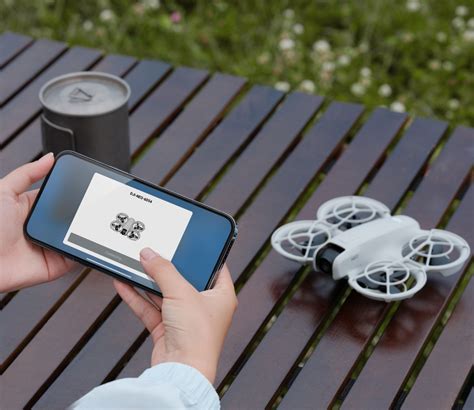
To avoid creating headaches for buyers—or facing them yourself—you’ll need to unbind your DJI drone before handing it over to a new owner. Here are the precise steps to unbind using the DJI Fly app:
- Open the DJI Fly app on your mobile device.
- Tap the profile icon in the bottom right corner.
- Go to Device Management.
- Select Account and Device.
- Tap Remove Device from Account.
- Read the binding information displayed.
- Tap Next, then Confirm to finalize the unbinding.
Once completed, the drone is fully detached from your account and ready for a new user to bind and fly.
Why This Change Could Shake the Used Drone Market
This policy could lead to a noticeable slowdown in the used drone market. Platforms like eBay, Facebook Marketplace, and local classified listings have long been major hubs for buying and selling secondhand drones. With DJI’s new rules, buyers may increasingly hesitate to purchase from private parties unless they’re assured—with proof—that the drone is unbound.
It’s also likely that scams and bad actors will increase temporarily, exploiting the policy ignorance among casual buyers. Unscrupulous sellers might offload bound drones at discount prices, knowing full well the new buyer will never be able to fly them.
Sellers will also have to get more technical, and potentially provide video evidence of unbinding or include a printout of their account status showing the drone has been released.
Legal and Consumer Protection Concerns
One possible fallout from this policy is a rise in disputes and chargebacks. Imagine a buyer receiving a bound drone, discovering they can’t use it, and seeking a refund. If they bought it through a payment method with purchase protection (like PayPal), it could lead to a claim.
Sellers who don’t properly document the unbinding may find themselves liable for refunds or bad reviews, even if the mistake was unintentional. Consumer protection groups may also take notice, especially if large numbers of people are impacted or if DJI’s support continues to provide no recourse.
What Buyers Should Do Before Purchasing a Used DJI Drone
To avoid being grounded by DJI’s new policy, buyers should adopt a more cautious and informed approach:
- Ask for verification: Request screenshots or video of the unbinding process.
- Check account status: Ask the seller to show the device is not listed under their DJI profile.
- Avoid sellers who refuse to cooperate: If a seller won’t confirm unbinding, walk away.
- Prefer trusted sources: Consider buying used drones from certified resellers or DJI Refurbished instead of unverified individuals.
By treating every transaction as if it carries risk—and requiring real proof of unbinding—you significantly reduce the chance of ending up with a $1,000 paperweight.
Community Response and Backlash
Unsurprisingly, the drone community has responded with a mix of confusion, frustration, and concern. On forums like DJI’s official community board, Reddit’s r/drones, and YouTube comment sections, users have expressed fears that this policy will deter newcomers, hurt the hobby, and reduce accessibility to high-end gear.
Some speculate this move could be followed by subscription-only activations, increased cloud dependencies, or further control over hardware usage. DJI has not announced any such changes, but this policy has left many wondering what the future holds for used drones and open ecosystems.
Countdown to Policy Enforcement: June 19, 2025
If you plan to buy, sell, or gift a DJI device, do it before June 19, 2025—and ensure the unbinding process is complete. After that date, your ability to recover a bound drone will be gone unless you have access to the original account.
This deadline looms large, and DJI has not announced any exceptions, grace periods, or appeals processes. It’s an all-or-nothing policy designed to lock down the DJI ecosystem.
The message from DJI is crystal clear: Ownership means responsibility. And in this case, failing to follow proper protocol could literally leave your drone grounded.
Final Thoughts: A Pivotal Moment in the Drone Industry
DJI’s policy change marks a turning point in how drone ownership is managed. It mirrors broader trends in tech where manufacturers seek tighter control over hardware post-sale. While the motives may stem from security and anti-theft measures, the collateral damage could be felt most by honest hobbyists and professionals who rely on the secondhand market.
Moving forward, successful drone transactions will require transparency, accountability, and education. Sellers must embrace the new norms. Buyers must stay vigilant. And the community as a whole must adapt—or risk watching their skies go silent.