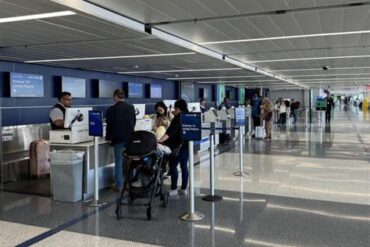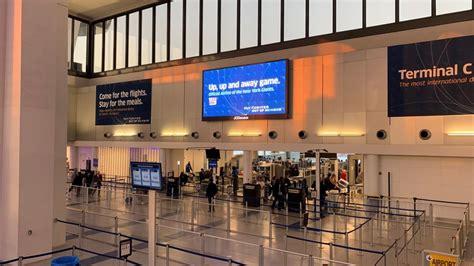
United Airlines is introducing a significant change that could reshape the way domestic travelers across the United States plan their journeys. Beginning June 3, 2025, the airline will enforce a mandatory 45-minute check-in deadline for all domestic flights, regardless of whether passengers are checking bags. This policy, seemingly procedural on the surface, is expected to ripple through the entire U.S. domestic travel ecosystem, impacting everything from airport logistics to passenger behavior and even customer loyalty dynamics.
United Airlines’ Revised Check-In Deadline: A Tighter Window for Travelers
United’s decision to move the domestic check-in cutoff from 30 to 45 minutes before departure marks a return to pre-pandemic rigor in aviation. While many airlines had relaxed check-in windows over the past few years, this new 45-minute rule now aligns United with global industry norms and its own baggage check-in timeline.
For travelers, this change introduces a less forgiving margin of error. Passengers accustomed to last-minute sprints through the terminal may now find themselves denied boarding simply for checking in too late — regardless of luggage status. The pressure to arrive earlier may force significant shifts in personal travel planning and increase early-hour traffic flows at major airports.
Newark Liberty as a Strategic Pressure Point
The policy takes effect just as Newark Liberty International Airport (EWR) becomes a focal point of operational scrutiny. United operates nearly 600 daily flights from Newark, making it a cornerstone of the airline’s East Coast network. However, recent FAA-imposed hourly flight caps—intended to reduce air traffic delays—have already begun to strain scheduling flexibility. In this context, tightening check-in deadlines places additional logistical burdens on both travelers and terminal operations.
Congestion and early check-in requirements could amplify already existing bottlenecks at security checkpoints, baggage drops, and gate areas. Additionally, airport staff and self-service technologies must absorb a greater share of real-time rebooking and rerouting efforts for passengers who miss the cutoff.
Industry Norms or Competitive Risk? A Strategic Balancing Act
United Airlines has positioned this policy as an effort to create “consistency across check-in and baggage deadlines,” a move it claims will streamline operations and enhance punctuality. Yet while global carriers have embraced similar timelines, few in the U.S. have enforced a flat 45-minute rule across all domestic operations. This places United at a critical juncture — caught between aligning with international norms and potentially alienating U.S.-based travelers who expect more leniency.
The lack of clear public communication on what happens to passengers who miss the 45-minute mark has led to speculation. Reports suggest that such passengers could be denied boarding altogether, with no guarantee of immediate rebooking, creating uncertainty for those affected by traffic, delays in TSA screening, or other unpredictable events. Without robust customer service measures, the risk to brand loyalty could become a larger concern than any operational benefit.

Operational Strain and Regulatory Tension Mount
This move also unfolds against the backdrop of heightened scrutiny from federal regulators and recent public relations challenges. In early May 2025, United experienced massive flight disruptions triggered by air traffic control system failures. These delays led to widespread customer dissatisfaction, especially at Newark, one of the most delay-prone airports in the country.
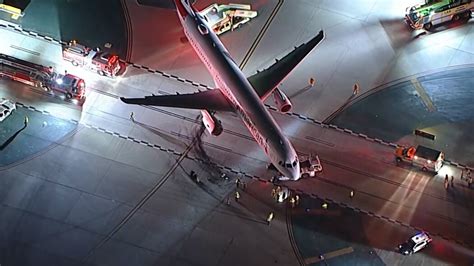
Compounding matters, a safety incident involving two United aircraft occurred in California, prompting an FAA investigation. While no injuries were reported, the episode brought renewed attention to safety protocols and oversight at United. These incidents have sparked debate about whether tightening the check-in window serves as a distraction from deeper operational issues or a genuine effort to improve efficiency.
Legal Fallout and the Rising Cost of Incidents
The collision in California has already escalated into legal territory. Passenger Antranique Wash is currently seeking up to $1 million in damages, citing emotional trauma and ongoing psychological effects linked to the incident. Her attorney emphasized that the stress and fear continue to impact her well-being. This case could open the door for broader litigation risks, especially if new policies—like the check-in deadline—result in more passengers being stranded or forced to incur unexpected travel costs.
When airline reliability is questioned, passengers look for recourse, and high-profile incidents like this can serve as legal precedent for claims related to stress-induced travel complications, particularly when new policies are perceived as harsh or insufficiently communicated.
Traveler Experience and the Cost of Punctuality
For domestic travelers, the 45-minute rule is more than a technical update; it’s a cultural shift in how Americans relate to air travel. Many travelers, especially frequent flyers or business passengers, operate on tight timelines and plan around shorter check-in cutoffs. This change demands a reassessment of travel routines: earlier wake-up times, longer security buffers, and an increased dependency on mobile alerts and airport apps.
Moreover, airport terminals could experience increased early-hour congestion, especially in morning travel windows that already operate at peak volume. With a rigid cut-off, even minor traffic delays or TSA holdups could now spell disaster for otherwise timely passengers. This new margin of error places additional stress not just on individuals, but also on families, elderly passengers, and those unfamiliar with digital tools or English-language instructions.
Impacts on Travel Agents, International Flights, and Code-Shares
While the check-in rule applies solely to domestic flights, it could still have secondary impacts on international travelers, particularly those on multi-leg itineraries that begin with a domestic United flight. Missed domestic connections due to tighter check-in rules could jeopardize long-haul international departures, leading to cascading delays.
Travel agents and booking platforms may also be forced to revise how they build itineraries, potentially enforcing longer layovers or stricter advisory notices. This shift may indirectly influence partner carriers and code-share agreements, especially when United’s policies no longer align with more lenient check-in standards used by other U.S. domestic operators.
Communication Gaps and the Need for Transparency
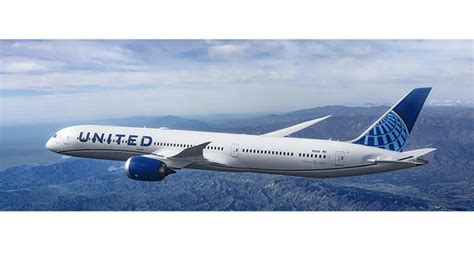
United Airlines has encouraged passengers to use mobile apps and airport-specific guidance to navigate the check-in process. However, the airline has not provided detailed information about exceptions, rebooking processes, or compensation for those affected by late check-in.
This communication gap is a critical vulnerability. Inadequate awareness campaigns could result in thousands of travelers being caught off guard during the first weeks of the new policy. The reputational damage from social media backlash—especially if passengers are left stranded without recourse—could outweigh any gains in operational consistency.
As the policy goes into effect, success will depend on clear signage, real-time alerts, proactive staff involvement, and accountability mechanisms. Without them, the tighter check-in window could quickly become a public relations liability.
Long-Term Consequences: Shaping the Future of U.S. Air Travel
At a time when efficiency, safety, and standardization dominate the aviation conversation, United’s new check-in deadline may set a precedent. If the policy results in smoother departures, fewer delays, and greater punctuality, other U.S. airlines may soon follow suit, reshaping domestic travel expectations across the country.
However, if poorly managed, it risks becoming another example of misaligned airline priorities, where customer convenience is sacrificed for theoretical gains in on-time performance. The U.S. airline industry walks a fine line between operational discipline and public trust—and the coming months will determine which side United lands on.
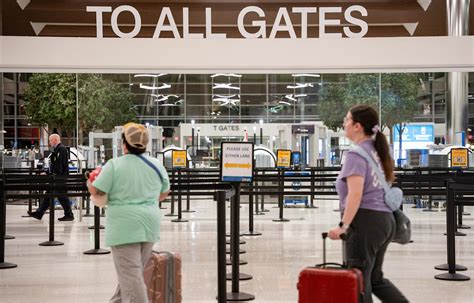
In the meantime, passengers would be wise to arrive earlier, check-in digitally, and remain vigilant about policy updates. Because in the evolving world of U.S. air travel, the window of tolerance is shrinking—and with it, the margin for error.