United Airlines’ check-in policy has come under scrutiny following a recent passenger experience that highlighted critical inconsistencies and misinformation at a major U.S. airport. On May 9th, 2025, a traveler bound for Mexico faced a cascade of procedural ambiguities and frontline miscommunication, ultimately resulting in denied boarding—even though the passenger followed the airline’s widely referenced cutoff guidelines. This incident, and the discussion it sparked across United flyers, reveals deeper issues within the check-in process, especially for international travel.
The Incident at SFO: A Timeline of Confusion
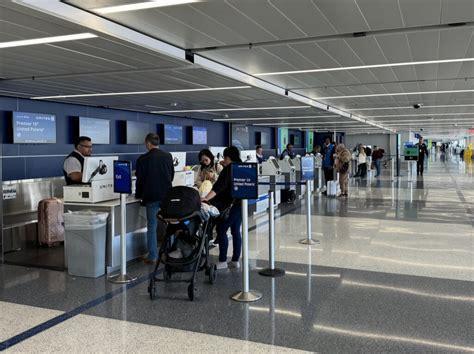
At San Francisco International Airport (SFO), a passenger checked in at a kiosk at 10:14 AM for a flight scheduled to depart at 11:21 AM—precisely 67 minutes before takeoff. This timing seemingly aligned with the standard 60-minute cutoff for international flights departing the U.S. However, instead of receiving a boarding pass, the kiosk redirected them to an agent. Upon meeting the airline staff, the situation spiraled.
The first agent claimed the cutoff was one hour prior to departure, implying the traveler was on time. Moments later, the agent revised their claim, stating that the cutoff was actually two hours before the flight. A second staff member then introduced a third figure—ninety minutes. This web of contradictions made it impossible for the passenger to determine what rule they had allegedly broken. Despite showing a time-stamped receipt for a checked bag, confirming check-in over an hour prior, the airline denied them boarding.
What followed further compounded the passenger’s frustration: they were told they had been rebooked for May 10th. Upon checking later, the booking had actually been made for May 11th. Their paid seat upgrade was also not carried over. This chaotic chain of events not only disrupted the passenger’s travel plans but also exposed a fundamental lack of clarity in United’s check-in policies as enforced at the counter level.
United Airlines’ Published Check-In Cutoff Rules
According to United Airlines’ Contract of Carriage, as of June 2024, the minimum check-in time for international flights departing from the U.S. is 75 minutes. This was an increase from the previous 60-minute rule. However, this change doesn’t appear to be consistently enforced—or even known—by all United employees.
The cutoff isn’t just about paying for a bag or arriving at a kiosk. Being checked in requires that the traveler:
- Has received a boarding pass
- Completed passport and visa verification if applicable
- Dropped off checked baggage (if any) and transferred custody to United
- Has nothing else left to complete at the counter
Therefore, simply initiating check-in or standing in line is insufficient. The passenger must be fully processed and ready to proceed to security by the cutoff time. For international flights like the one to Mexico, this includes manual document verification.
Why Online Check-In Can Make or Break Your Flight
Multiple experienced United flyers and MileagePlus elites confirmed that checking in online 24 hours in advance often circumvents last-minute kiosk errors or counter delays. If a traveler uploads their passport details and receives a mobile boarding pass via the United app, they can skip the line and proceed directly to bag drop—provided they’re within the appropriate window.
However, if the system flags the passenger for “special handling”—whether due to a passport, visa issue, or random audit—they are forced to see an agent. This happened in the case under review. Unfortunately, delays at this stage can become catastrophic if it pushes the process past the cutoff time.
Critics argue that this highlights a systemic failure of consistency. The policy might be 75 minutes on paper, but the reality depends on airport staffing, counter efficiency, and even individual discretion. Several passengers report making flights with as little as 55 minutes to spare, while others have been denied boarding at 61 minutes.
Agent Discretion and Operational Flexibility
Perhaps the most concerning takeaway is the sheer variability of enforcement. Multiple respondents, including frequent international travelers from SFO, ORD, and IAD, noted that United agents often use personal discretion when deciding whether to accept late check-ins.
This flexibility, while occasionally helpful, creates a dangerous grey area. For instance, one flyer at Dulles International Airport reported that despite checking a bag only 45 minutes before an international flight, they were allowed to board because the counter staff chose to expedite their processing.
Contrast this with the May 9th case, where the traveler was ahead of the 60-minute mark but denied boarding, possibly because the agent didn’t want to be held responsible for slowing down operations. Some commenters believe the staff gave conflicting information simply to avoid admitting that United’s own slow service caused the delay.
Legal and Operational Reasons for Cutoff Strictness
International aviation laws prohibit passengers from voluntarily separating themselves from checked luggage. If a bag is accepted for a flight, the passenger must also be onboard, unless a security delay or cancellation occurs. This rule prevents the loading of unaccompanied baggage, which can pose a security risk.
Thus, once the bag cutoff time passes, agents may be locked out of checking in a passenger within the system—even if they want to help. United’s software, according to insiders, hard-stops check-ins at that point. This can be devastating for travelers unaware that being in line or showing a receipt does not count.
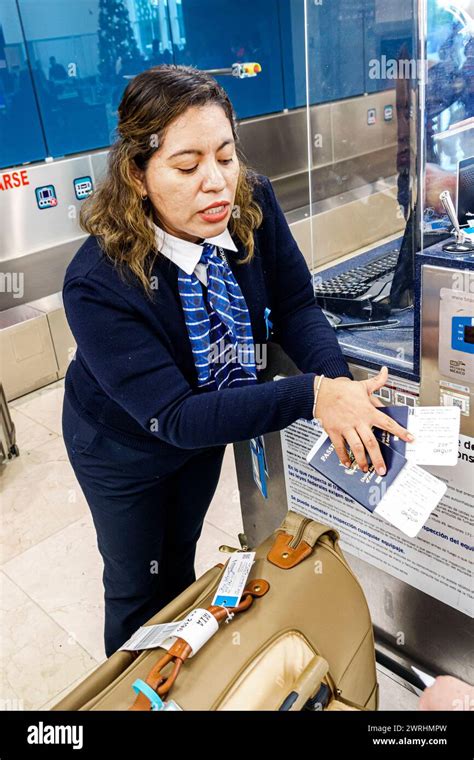
The Role of the Kiosk: Automation Without Accountability
A key trigger in the incident was the kiosk redirecting the passenger to an agent without issuing a boarding pass. While this system is designed to flag incomplete documentation or special handling needs, it offers no transparency about time thresholds.
Travelers mistakenly believe that interacting with the kiosk within the cutoff window satisfies check-in requirements. But without a printed boarding pass, they remain in limbo. The lack of feedback from the kiosk system, combined with delays in reaching a counter agent, forms a perfect storm that ends in denied boarding.
Several passengers now routinely use the kiosk to print bag tags as proof of arrival time, though this doesn’t guarantee processing completion.
Best Practices: How to Avoid Missing a Flight with United
Based on widespread feedback and firsthand accounts, these best practices significantly reduce the risk of check-in problems with United Airlines:
- Check in online and upload your passport at least 24 hours before departure
- Arrive at the airport no less than 2.5 hours before an international flight
- Complete all kiosk interactions and document verifications before the 75-minute cutoff
- Insist on confirmation from the agent if rerouted—ask for rebooking details and boarding class verification
- Take screenshots or receipts of time-stamped check-in activities
When agents fail to apply upgrades or rebook incorrectly—as happened in this case—have all relevant receipts and confirmations on hand to dispute the errors.
Conclusion: A Policy That Demands Clarity and Consistency
The situation at SFO underscores a critical gap between United Airlines’ published policy and the reality of its execution. The passenger involved adhered to what they—and most others—understood to be a 60-minute cutoff. Their reward? Denied boarding, an inaccurate rebooking, and lost upgrade privileges.
Until United improves employee training, system transparency, and cutoff communication, international flyers remain vulnerable to last-minute surprises. We strongly recommend utilizing mobile check-in tools and arriving well ahead of official minimums to avoid being at the mercy of inconsistent enforcement.
Only with better alignment between policy and practice can United Airlines truly offer the reliable service its branding promises.