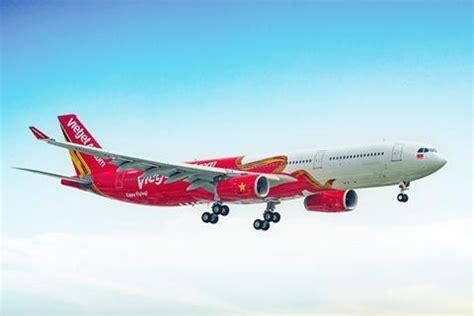
Australia’s domestic aviation market could be on the verge of its biggest competitive shake-up in years as VietJet moves closer to launching a locally based airline. The Vietnamese low-cost carrier has formally applied for regulatory approval to operate domestic flights within Australia, a move that could introduce a powerful new challenger to a market long dominated by Qantas and Virgin Australia. If the proposal receives approval, Australian travelers could benefit from increased competition, lower fares, and a wider choice of routes across the country’s busiest cities.
Unlike previous startup airlines that struggled to survive Australia’s challenging aviation environment, VietJet enters the market with substantial financial backing, an established international network, and years of experience operating successful low-cost subsidiaries. The airline already maintains operations beyond Vietnam through affiliates in Thailand and Kazakhstan, demonstrating that international expansion has become a central part of its long-term growth strategy. Australia now appears to be the company’s next major target.
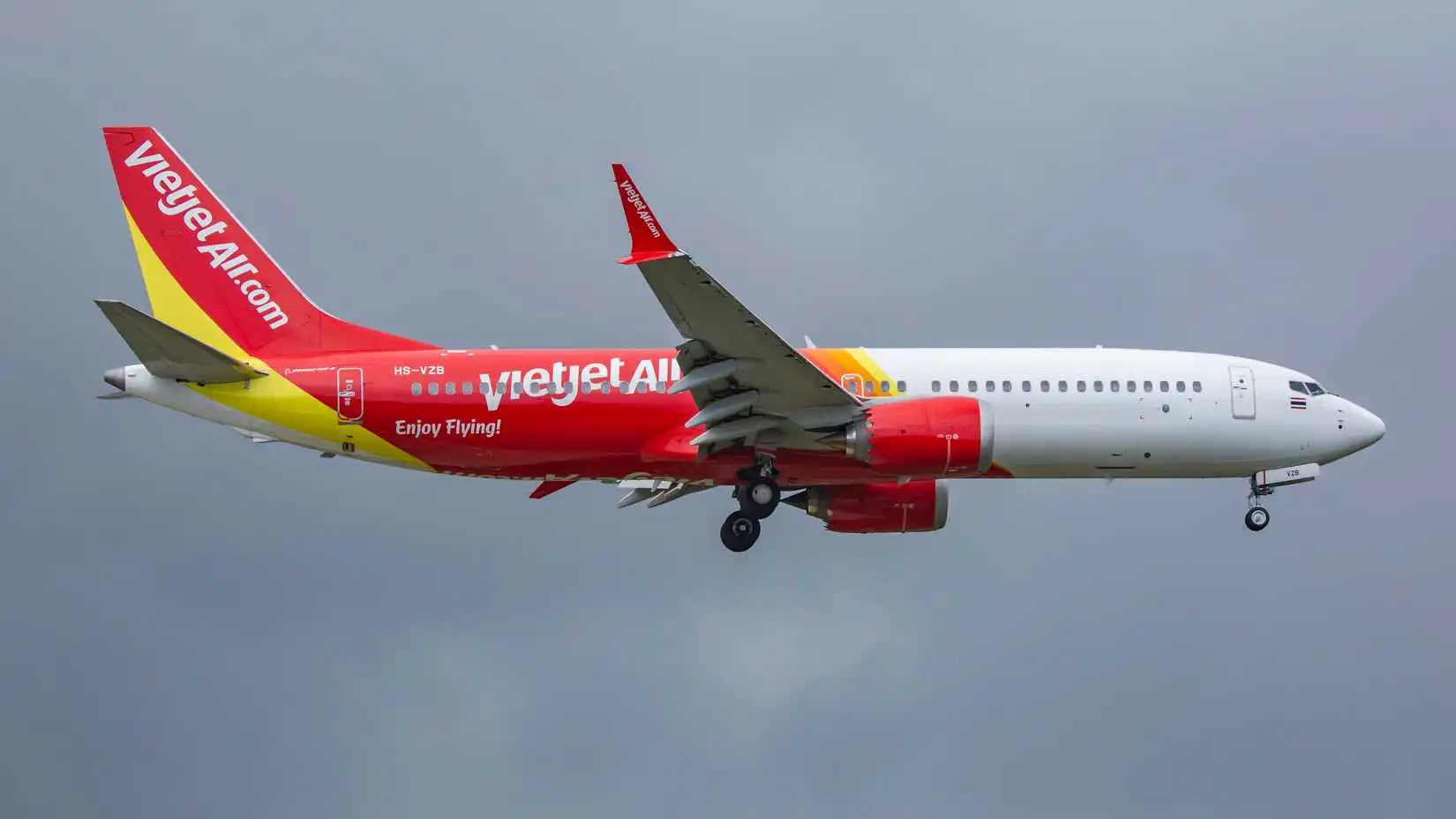
The airline has reportedly secured valuable operating slots at Sydney Airport, one of the country’s most capacity-constrained aviation hubs. Initial plans suggest up to seven daily return flights from Sydney supported by a fleet of ten Boeing 737 MAX aircraft. Those aircraft would form the foundation of the new Australian operation while allowing sufficient flexibility to build frequency on the country’s busiest domestic corridors.
A Serious Challenge to Australia’s Airline Status Quo
Australia’s domestic airline market has remained remarkably stable over the past decade despite several attempts by new entrants to disrupt the established order. The overwhelming majority of passengers continue to fly with either Qantas or Virgin Australia, while previous challengers including Bonza and Regional Express ultimately failed to establish sustainable nationwide competition.
VietJet’s proposal differs significantly from those earlier efforts. Rather than building an airline from limited resources, the company already possesses extensive operational expertise, purchasing power, and access to aircraft. These advantages could provide the financial resilience needed during the difficult early years of launching a new domestic carrier, when passenger awareness, route development, and market share all require significant investment.
The airline has submitted an application to Australia’s Civil Aviation Safety Authority for an Air Operator Certificate, commonly known as an AOC. Obtaining certification is an extensive regulatory process that can take approximately twelve months, meaning commercial operations could realistically begin sometime next year if approvals progress as expected.
Australia’s Golden Triangle Is the Natural Starting Point
Industry expectations point toward the country’s famous Golden Triangle as VietJet’s first operational focus. This network links Sydney, Melbourne, and Brisbane, representing Australia’s highest-demand domestic business and leisure markets. These routes collectively carry millions of passengers every year while supporting some of the world’s busiest short-haul flight schedules.
Launching services between these three cities would allow VietJet to compete where passenger demand remains consistently strong throughout the year. Frequent departures, competitive pricing, and simplified low-cost operations could make the airline particularly attractive to leisure travelers, price-conscious business passengers, and younger travelers accustomed to budget airlines across Asia.
The allocation of Sydney slots strengthens speculation that this triangle will become the carrier’s launch network. High aircraft utilization on these relatively short sectors would also fit VietJet’s established low-cost operating model.
Australia’s Largest Domestic Routes Offer Immediate Growth Potential
Passenger traffic statistics illustrate why Australia’s busiest routes remain attractive opportunities for any new airline entering the market. According to 2025 aviation data, the route between Sydney and Melbourne carried more than 3.2 million round-trip passengers, making it Australia’s busiest domestic air corridor by a considerable margin.
The second-largest market connected Melbourne and the Gold Coast, attracting just over 2 million passengers, while services between Sydney and the Gold Coast followed closely behind. Flights linking Sydney and Brisbane exceeded 1.57 million passengers, with Melbourne and Brisbane also surpassing 1.4 million travelers during the same period.
These impressive passenger volumes demonstrate that demand already exists for additional capacity. Even capturing a modest share of these markets could allow a new entrant to establish meaningful operations while stimulating further demand through lower ticket prices and increased scheduling options.
Western Sydney Airport Could Become a Future Expansion Opportunity
Although VietJet has not announced any plans involving Western Sydney Airport, the city’s newest international gateway may eventually become an attractive option for future expansion. Unlike Sydney’s primary airport, Western Sydney will operate without a nighttime curfew while offering significantly greater slot availability for airlines seeking schedule flexibility.
These operational advantages could enable a growing carrier to build additional frequencies without facing the capacity limitations experienced at Sydney Airport. As passenger demand develops around Western Sydney, the airport may become an increasingly valuable component of Australia’s evolving domestic aviation network.

Expansion Beyond the Major Capitals Appears Likely
Once the initial network becomes established, VietJet would have several logical opportunities for broader domestic growth. Routes connecting Melbourne and Hobart represent particularly strong prospects after carrying more than one million passengers during 2025. Likewise, demand between Brisbane and Cairns exceeded 900,000 travelers, while flights linking Melbourne and Adelaide attracted approximately 840,000 passengers.
These secondary markets combine healthy passenger demand with significant leisure travel, characteristics that often align well with low-cost airline business models. Seasonal tourism, visiting friends and relatives, and domestic holiday travel could all provide valuable revenue streams while diversifying the airline beyond Australia’s busiest trunk routes.
Additional destinations could gradually create a comprehensive domestic network capable of serving both major metropolitan centers and important regional tourism markets.
International Connectivity Could Strengthen the Business Case
One of VietJet’s greatest competitive advantages extends beyond domestic operations alone. The airline already serves Australia internationally through flights to Brisbane, Melbourne, Perth, and Sydney, creating opportunities to connect domestic passengers directly with its expanding Asian network.
A locally based domestic airline could feed passengers into those international services using coordinated schedules and through-ticketing arrangements. Travelers from cities such as Adelaide, Hobart, or the Gold Coast could potentially book seamless itineraries connecting through major Australian gateways before continuing to Vietnam and destinations across Asia.
This integrated approach would generate additional passenger traffic while strengthening the commercial viability of both the domestic and international operations.
A New Era of Competition Could Benefit Australian Travelers
Although regulatory approval remains the next major hurdle, VietJet’s proposal represents one of the most credible attempts in recent years to introduce genuine large-scale competition into Australia’s domestic aviation market. Backed by an established international airline, modern Boeing 737 MAX aircraft, and an expanding global network, the planned Australian subsidiary possesses advantages that earlier challengers lacked.
Should the airline successfully launch operations, travelers may ultimately gain access to lower fares, increased flight frequencies, stronger international connectivity, and greater choice across Australia’s busiest domestic routes. While certification will take time, the prospect of a well-funded third major airline entering the market has already generated significant interest throughout the aviation industry, potentially marking the beginning of a new competitive chapter for Australian air travel.