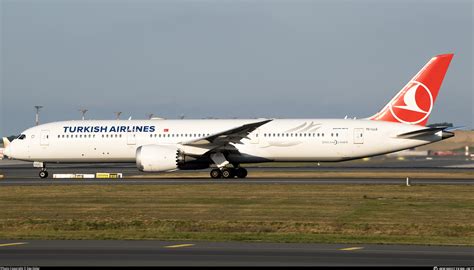
Turkish Airlines is preparing for another major phase of growth in the United States, with plans to add three new destinations that would further strengthen its position as one of the most extensive foreign carriers serving the American market. While the airline already operates flights from Istanbul Airport to 14 US gateways, new revelations indicate that Minneapolis, Philadelphia, and Orlando are firmly on its radar as it continues expanding its global network.
The Star Alliance carrier currently serves Atlanta, Boston, Chicago O’Hare, Dallas/Fort Worth, Denver, Detroit, Houston Intercontinental, Los Angeles, Miami, Newark, New York JFK, San Francisco, Seattle, and Washington Dulles. Despite a modest reduction in overall US capacity for the third quarter of 2026, the airline remains deeply committed to the market, which continues to rank as its second-largest international country operation after Germany.
Turkish Airlines is expected to average approximately 21 daily departures between Istanbul and the United States during the peak July-to-September travel season. Although frequencies on several existing routes have been adjusted, the airline’s long-term strategy clearly remains focused on strengthening its North American footprint through carefully selected new destinations.
After years of steady expansion, Turkish Airlines appears to be targeting underserved markets where its vast connecting network can create new opportunities for travelers heading to Europe, Africa, the Middle East, and Asia.
Minneapolis Emerges as a Strategic Network Opportunity
One of the most intriguing potential additions is Minneapolis–Saint Paul International Airport. During discussions at the International Air Transport Association’s annual meeting in Rio de Janeiro, Turkish Airlines Chairman of the Board and Executive Committee Chairman Prof. Dr. Murat Şeker confirmed that Minneapolis is among the airline’s future targets.
Although no launch timeline has been disclosed, the route presents compelling network economics. Booking data indicates that approximately 230,000 annual round-trip passengers travel between Minneapolis and destinations that could be efficiently served through Istanbul. This translates into an estimated demand of roughly 630 passengers per day across Turkish Airlines’ broader network.
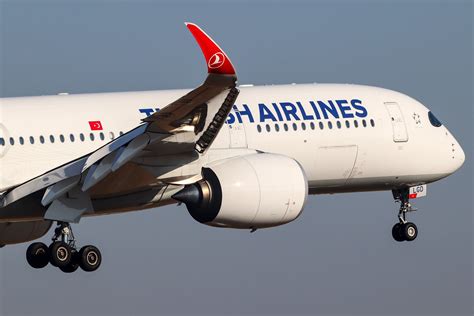
The route would likely be operated three or four times weekly using either the Airbus A350-900 or Boeing 787-9, both of which are central to the airline’s long-haul growth strategy.
A particularly attractive aspect of Minneapolis lies in its strong demand for African destinations. Turkish Airlines operates one of the world’s largest African networks, serving more than 50 destinations across the continent. This creates a unique competitive advantage compared with many European and Gulf carriers.
The strongest connecting opportunities from Minneapolis include Nairobi, Athens, Jeddah, Dubai, Addis Ababa, Cairo, Delhi, Johannesburg, Mogadishu, and Mumbai. Collectively, these markets represent substantial passenger flows that could support a new Istanbul service.
Political considerations may, however, influence the timing of any launch. Industry sources suggest Turkish Airlines could wait for a more favorable environment before formally announcing Minneapolis service, particularly regarding international travel and visa accessibility affecting key connecting markets.
Philadelphia Becomes a Surprising Candidate
Perhaps the most unexpected revelation is Turkish Airlines’ apparent interest in Philadelphia International Airport.
Philadelphia is one of America’s largest metropolitan areas, with roughly 6.3 million residents, yet it remains underserved by major long-haul carriers from the Middle East. Unlike airports such as New York JFK, Newark, or Washington Dulles, Philadelphia has historically lacked extensive nonstop service to many international regions.
Turkish Airlines sees an opportunity to capitalize on this gap.
Analysis suggests that approximately 120,000 annual passengers could potentially use an Istanbul-Philadelphia service. While this figure appears smaller than Minneapolis, industry experts believe actual demand may be significantly higher because many travelers currently drive or connect through nearby airports to access a broader range of international flights.
Turkish Airlines already maintains a powerful presence in the Northeast corridor through Newark, JFK, and Washington Dulles. During the third quarter of 2026, the carrier will operate between five and seven daily flights across these airports, giving it deep familiarity with regional travel patterns.
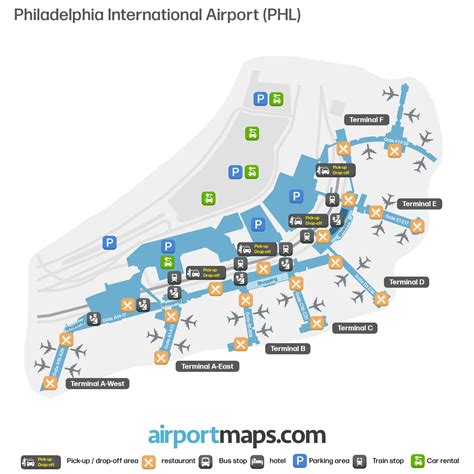
If launched, Philadelphia would likely begin with three weekly flights, allowing the airline to test market demand before committing additional capacity.
The route’s strongest connecting markets include Athens, Mumbai, Delhi, Cairo, Lagos, Dubai, Accra, Nairobi, Doha, and Johannesburg. Many of these destinations align perfectly with Turkish Airlines’ strengths in Eastern Europe, Africa, South Asia, and the Middle East.
An often-overlooked advantage is Turkish Airlines’ success transporting passengers between the United States and Southern and Eastern Europe. Nearly 900,000 passengers traveled on such itineraries during the twelve months ending March 2026, demonstrating the effectiveness of Istanbul as a connecting hub.
Orlando Moves Closer to Reality
Among the three proposed destinations, Orlando appears to be the most likely to launch first.
Unlike Minneapolis and Philadelphia, Orlando has appeared repeatedly in Turkish Airlines’ investor presentations and long-term planning documents. The Florida city has been associated with the carrier’s expansion ambitions for several years, making its eventual launch appear increasingly inevitable.
Orlando’s appeal extends far beyond its world-famous tourism industry. The city has developed into a major international gateway with growing demand from both leisure and visiting-friends-and-relatives travelers.
For Turkish Airlines, Orlando offers strong connectivity opportunities to Egypt, Kuwait, Saudi Arabia, the United Arab Emirates, and numerous destinations throughout Eastern and Southern Europe. Istanbul’s geographic location allows the carrier to provide efficient one-stop access to these markets while competing aggressively on both convenience and pricing.
The airport would also complement Turkish Airlines’ existing Florida presence in Miami, giving the carrier broader access to one of America’s fastest-growing states.
Turkish Airlines Continues Building a Global Super-Connector Network
The potential addition of Minneapolis, Philadelphia, and Orlando highlights a broader strategy that has defined Turkish Airlines’ rise over the past decade. Rather than focusing solely on the largest global hubs, the airline increasingly targets cities where its extensive network can unlock previously underserved travel flows.
By leveraging Istanbul’s strategic position between Europe, Asia, Africa, and the Middle East, Turkish Airlines has transformed itself into one of the world’s most effective connecting carriers. New US destinations fit naturally into that model, feeding passengers into a network that reaches more countries than almost any other airline.
While official launch dates remain unconfirmed, the emergence of these three cities signals that Turkish Airlines’ expansion in the United States is far from over. If all three routes eventually materialize, the carrier will further strengthen its competitive position and provide American travelers with even greater access to one of the world’s largest international route networks.