
The ever-expanding transatlantic travel corridor between the United States and Europe continues to evolve as major carriers race to tap into surging demand. Among them, American Airlines is reportedly evaluating a strategic new addition to its European network: a direct flight from Philadelphia International Airport (PHL) to Porto, Portugal (OPO). This move, though still unofficial, would reflect not just the airline’s evolving priorities but also broader market dynamics shaping travel between North America and southern Europe.
Transatlantic Demand Surges: Portugal Becomes a Rising Star
The U.S.–Europe travel corridor is currently the fifth-largest international air market globally, with a staggering 55% growth over the past 15 years, according to industry data from OAG. U.S. carriers now command roughly 34% of the transatlantic market share in 2025, a number that continues to climb. Much of this momentum is driven by the resurgence of leisure travel and increased interest in lesser-served European destinations.
One of the standout beneficiaries of this trend is Portugal, particularly among American travelers. As per Turismo de Portugal, a record 2.3 million U.S. travelers visited the country last year, reinforcing Portugal’s position as a must-visit destination. The surge isn’t isolated to Lisbon alone. While the capital remains the busiest gateway, the northern city of Porto has witnessed a notable rise in popularity, now accounting for over 9.4% of U.S. tourist traffic to Portugal in 2024.

Philadelphia: American Airlines’ Strategic Transatlantic Launchpad
Any potential route to Porto would most likely be launched from Philadelphia, which has evolved into American Airlines’ primary transatlantic connecting hub. The city’s geographic proximity to major U.S. population centers and well-established European connections make it an ideal springboard for new international services.
Currently, American operates a daily PHL–LIS (Lisbon) route. However, expansion in Lisbon faces multiple headwinds, particularly due to severe slot constraints at Humberto Delgado Airport. The single-runway airport is operating beyond capacity, with demand for takeoff and landing slots consistently exceeding availability. Regulatory bottlenecks and long-standing access limitations have thwarted new entrants and even blocked expansion attempts by carriers like JetBlue, which has been trying to gain entry into Lisbon since 2023.
Porto, in contrast, offers American Airlines a compelling alternative:
- No immediate slot constraints,
- An emerging U.S. tourism market,
- And a chance to diversify its Portugal portfolio without waiting on the long-delayed new Lisbon airport, which isn’t expected to be completed for at least a decade.
Porto’s Existing U.S. Connectivity – and American’s Competitive Play
While Porto is far from an untapped destination, it currently has limited U.S. connectivity, concentrated among just a few carriers. TAP Air Portugal and United Airlines already operate daily flights from Newark Liberty International Airport, serving both Portuguese diaspora and leisure travelers. Starting May 21, 2026, Delta Air Lines will also introduce daily seasonal service from New York JFK.
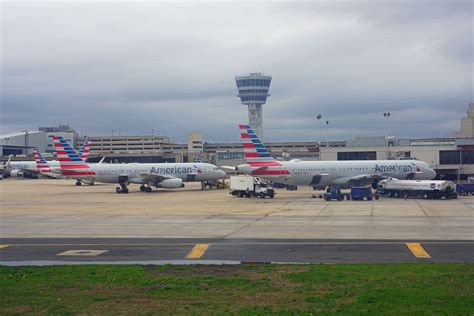
By adding Philadelphia–Porto to its portfolio, American would not only establish a unique East Coast route but also tap into connecting traffic from secondary U.S. markets via its PHL hub. For travelers from cities like Charlotte, Nashville, or Cleveland, a one-stop option to Porto through Philadelphia would be a substantial improvement over current offerings.
The timing is also favorable. As American prepares to expand its summer 2026 transatlantic schedule, the carrier has already announced ambitious new routes to Prague and Budapest—both from Philadelphia. Adding Porto to the lineup would align with American’s pattern of targeting underutilized yet high-potential European gateways.
Why Porto Makes Strategic and Economic Sense
Porto’s rise is not accidental. As Portugal’s second-largest city, it has matured into a thriving tourism and economic hub. With its UNESCO-listed Ribeira district, world-renowned Douro Valley wine region, and increasing international investment, Porto provides a compelling mix of culture and commerce.
For American Airlines, launching service to Porto offers:
- Cost-effective operations due to less congested airspace and airport infrastructure compared to Lisbon
- Access to leisure-heavy traffic, which continues to dominate post-pandemic recovery trends
- A strong Portuguese-American population base in the Northeast U.S., particularly in New Jersey and Pennsylvania, ensuring consistent ethnic VFR (visiting friends and relatives) demand
Moreover, Porto offers aircraft scheduling flexibility. Unlike Lisbon, where runway delays often ripple across schedules, Porto’s efficient layout and reduced congestion could allow for better operational performance, particularly during peak summer travel months.
Boston–Porto: A Tempting but Crowded Alternative
There has also been speculation that American Airlines might explore a Boston–Porto route. The logic is clear: Boston has deep Portuguese roots, particularly in surrounding cities like Fall River and New Bedford, which host one of the largest Portuguese-speaking communities in the U.S.
However, TAP Air Portugal already runs a daily Boston–Porto route, meaning American would face direct competition from the flag carrier. Additionally, Boston Logan International Airport has its own set of limitations, particularly gate availability during peak hours. These factors make Philadelphia a safer and less contested launch pad for any new Portugal-bound route.

American Airlines’ Broader European Ambitions
American Airlines’ European strategy is undergoing a major expansion. Aside from the rumored Porto route, the carrier is actively diversifying its destinations:
- Budapest: The only nonstop U.S.–Hungary service, launching from Philadelphia
- Prague: Reintroduced nonstop service for Summer 2026
- Athens & Zurich: Added from Dallas/Fort Worth, expanding AA’s southern and central Europe coverage
- Milan Malpensa: Now served from Miami, a growing hub for European-bound leisure and business traffic
Discussions are also ongoing about reviving the Philadelphia–Dubrovnik route, last operated in 2019 with Boeing 767-300s. Though that route was short-lived due to the pandemic, Dubrovnik Airport has confirmed new talks with American, suggesting that even smaller, tourism-focused cities are back in play.
The Outlook: A New Chapter for U.S.–Portugal Travel?
Should American Airlines proceed with launching the Philadelphia–Porto route, it would solidify the airline’s growing investment in secondary European cities, a trend increasingly favored in a post-pandemic landscape where leisure travel dominates.
This strategic expansion would:
- Enhance connectivity between the U.S. and northern Portugal
- Provide a new travel alternative for East Coast and Midwest travelers
- Help American Airlines compete more effectively against United and TAP on Portugal-bound routes

Though no official announcement has been made, American’s interest in Porto marks a critical inflection point in how airlines are redefining their European playbooks. Lisbon may still be the crown jewel, but cities like Porto are becoming indispensable gems in their own right.
As demand for transatlantic travel continues to rise and Lisbon remains a bottleneck, Porto represents opportunity—ripe, ready, and waiting.