American Airlines is accelerating its long-haul narrowbody strategy with a newly revealed Airbus A321XLR route that will stretch deeper across the Atlantic than any current deployment in its fleet. The airline is positioning the aircraft not only as a replacement for legacy premium transcontinental jets but also as a precision tool for opening thinner international markets that cannot consistently support widebody capacity. The upcoming Philadelphia–Porto service signals a calculated expansion in Europe while reshaping how the carrier approaches secondary international cities.
The Strategic Importance Of The Airbus A321XLR For American Airlines
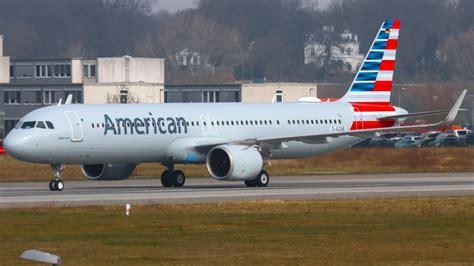
The Airbus A321XLR represents a major evolution in narrowbody long-haul flying. Designed to combine transatlantic range with single-aisle operating economics, the aircraft allows airlines to launch routes previously considered financially risky. With an approximate range of about 5,400 miles, the aircraft enables efficient service between midsize city pairs across the Atlantic while maintaining premium cabin offerings.
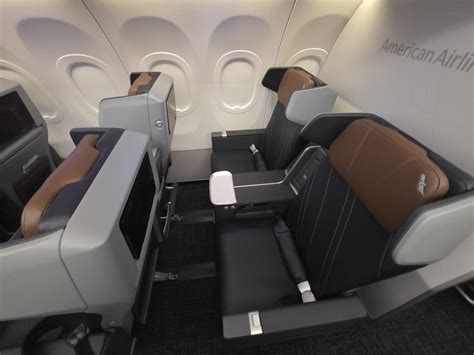
American Airlines configured its version to emphasize premium revenue potential. The aircraft includes lie-flat business class suites, premium economy seating, and upgraded economy cabins with modern inflight entertainment and power connectivity. This layout reflects a broader industry trend toward maximizing yield rather than simply maximizing passenger count on long-haul routes.
The aircraft entered American’s network via domestic flagship-style operations, including transcontinental flights such as New York to Los Angeles. These early deployments allow the airline to refine operational reliability and cabin service standards before expanding fully into intercontinental service through 2026 and beyond.

Philadelphia To Porto: Why This Route Matters More Than Passenger Numbers Suggest
The upcoming Philadelphia to Porto route represents a classic “thin long-haul market,” meaning demand exists but is not strong enough year-round to justify larger aircraft. This is exactly the market segment the A321XLR was engineered to unlock. Rather than competing directly in saturated mega-hubs like New York, American is choosing to stimulate demand from a hub where it can control connecting flows and operating costs more effectively.
Philadelphia offers strong domestic feed from across the United States and lower connecting costs compared to competing Northeast hubs. By routing passengers through Philadelphia rather than New York, American gains pricing flexibility and avoids head-to-head competition on crowded routes where multiple airlines already operate nonstop flights.
The Porto expansion is also historically meaningful. American Airlines has served Portugal since 2016, focusing exclusively on Lisbon. The new route expands the airline’s Portuguese footprint into northern Portugal, opening access to a major economic and tourism center without relying solely on the capital city.

Becoming American’s Longest A321XLR Route
The Philadelphia–Porto route will cover roughly 2,967 nautical miles each way, making it the longest currently planned A321XLR mission for the airline. This will surpass the existing New York to Edinburgh deployment by a modest margin and establish a new benchmark for American’s narrowbody long-haul operations.
This milestone also marks the return of extended narrowbody transatlantic flying for American after the retirement of the Boeing 757 fleet during the pandemic era. Historically, the airline operated select long transatlantic routes using 757 aircraft, but these operations were limited in frequency and often dependent on seasonal demand. The A321XLR now allows such routes to be scaled more reliably.
Cabin Configuration And Passenger Experience
American’s A321XLR configuration balances premium revenue and economy volume. The 155-seat layout typically includes premium suites, premium economy seating, and standard economy cabins arranged to maintain passenger comfort during long flights.
This configuration supports two strategic goals: maintaining high-margin premium sales while ensuring enough economy capacity to sustain consistent load factors on routes where total demand may fluctuate seasonally.
Five Confirmed A321XLR Routes Signal Broader Network Transformation
American currently plans multiple A321XLR deployments across both domestic and international markets. These include major transcontinental routes and emerging transatlantic city pairs. The mixed deployment strategy allows the airline to maintain consistent aircraft utilization year-round while adjusting seasonal long-haul capacity dynamically.
The aircraft is expected to become central to American’s medium-term fleet plan, gradually replacing older premium narrowbody aircraft and complementing widebody operations on lower-density long-haul routes.
Competitive Positioning In The Transatlantic Market
Competition remains intense across the North Atlantic, particularly from New York-area airports where multiple carriers operate overlapping routes. By launching new European service from Philadelphia instead, American avoids direct fare wars while building local demand and capturing connecting traffic from smaller U.S. cities.
This hub-focused strategy mirrors broader industry shifts where airlines prioritize network strength and cost control over simply competing for headline route announcements. The A321XLR enables these strategic choices by lowering break-even thresholds compared to widebody aircraft.
The Bigger Picture: Narrowbody Aircraft Reshaping Long-Haul Travel
The introduction of long-range narrowbody aircraft represents a structural shift in global airline networks. Airlines can now connect city pairs that previously required inconvenient connections or seasonal service. For travelers, this often means more direct routes and premium cabin availability on smaller aircraft.
American Airlines is positioning itself aggressively in this transition. As additional A321XLR aircraft enter service over the next few years, more secondary European destinations and possibly new transatlantic city pairs are expected to follow.
The Philadelphia–Porto route is therefore more than just another line on a route map. It represents a blueprint for how airlines may expand internationally in the coming decade: smaller aircraft, more targeted destinations, stronger hub economics, and premium-focused cabin designs that maximize profitability without requiring massive passenger volumes.