Orlando International Airport (MCO) has quietly become the center of Delta Air Lines’ latest strategic experiment. Beginning December 20, 2025, Delta will launch seven new Saturday-only routes from MCO, connecting Florida’s busiest airport to a diverse mix of underserved U.S. cities. While this move may seem modest, its implications for Delta’s long-term network strategy—and for Orlando’s growing importance—are significant.
Orlando’s Soaring Profile in the U.S. Aviation Landscape
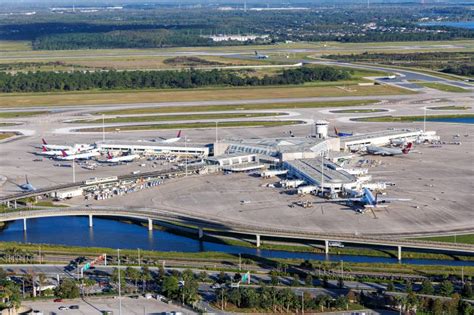
Orlando International Airport has evolved into one of the most dynamic aviation hubs in the United States. In 2023 alone, over 58 million passengers moved through its terminals, cementing MCO’s position as a top-tier airport. With continuous investments in terminal expansion, premium lounges, and passenger services, MCO has become more than a destination—it’s a gateway.
This growth trajectory positions Orlando as an ideal launchpad for airlines seeking to tap into both leisure and business travel. Its year-round tourism, convention traffic, and family travel base offer stability and resilience against seasonal downturns.
Delta’s Tactical Route Selection: Underserved Cities with High Potential
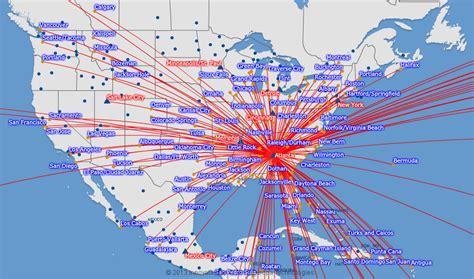
Delta’s seven new seasonal routes from Orlando connect to:
- Birmingham (BHM)
- Omaha (OMA)
- Raleigh-Durham (RDU)
- Cincinnati (CVG)
- Columbus (CMH)
- Kansas City (MCI)
- Milwaukee (MKE)
Each of these destinations represents medium-sized markets with solid catchment areas and historically limited nonstop service to Orlando. Crucially, many also share a loyal Delta customer base that is likely to support these new flights. The strategy is both deliberate and calculated—targeting cities that provide the right mix of demand, loyalty, and competitive gaps.
Saturday-Only Service: Low-Risk, High-Yield Exploration
By limiting operations to Saturdays, Delta reduces operational strain on its core weekday business routes while making productive use of aircraft that would otherwise sit idle. This model allows for high fleet utilization without overextending capacity. It also lowers fixed costs associated with new market launches.
Such a tactical approach has precedent. Delta previously tested international routes like Indianapolis to Paris (2018) and Pittsburgh to Paris, indicating a willingness to step beyond its comfort zones when conditions allow. Those routes were suspended during the pandemic, but the mindset behind them persists—flexibility meets experimentation.
Departure from the Hub-and-Spoke Model
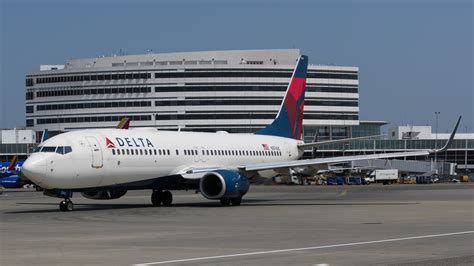
Traditionally, Delta’s operations are dominated by its key hubs in Atlanta (ATL), Minneapolis-St. Paul (MSP), Salt Lake City (SLC), and Detroit (DTW). The move to operate point-to-point flights from MCO is a notable deviation.
This suggests an evolving network strategy—one where demand patterns, airport infrastructure, and leisure dynamics outweigh old network doctrines. With Orlando, Delta isn’t building a hub outright, but it’s adopting many of the same behaviors: routing diversity, regional targeting, and strategic frequency.

Why Orlando? A Competitive Goldmine with Built-In Demand
Delta’s interest in Orlando mirrors the behavior of low-cost and ultra-low-cost carriers such as Southwest (WN), JetBlue (B6), Spirit (NK), and Frontier (F9)—all of which operate significant footprints at MCO. These airlines are drawn by high volume, predictable leisure traffic, and a flexible airport setup.
What sets Orlando apart is its steady year-round appeal. Unlike seasonal beach destinations, MCO draws consistent traffic due to theme parks, business conventions, and its growing tech corridor. This consistency allows Delta to test new routes without facing the seasonality hurdles seen elsewhere.
Importantly, Delta already controls approximately 12% of MCO’s passenger traffic as of late 2024. While still trailing the largest operators, the foundation is solid enough to build upon.
Operating Like a Focus City, Without the Label
Though Delta has made no official declaration, its behavior at MCO closely resembles that of a focus city operation. The characteristics are all there:
- Targeted, point-to-point routes
- Strategic scheduling that avoids core network disruption
- Use of regional partners for lean operations
- Market testing without long-term overcommitment
Delta’s approach echoes similar strategies at airports like Austin (AUS), where American Airlines once launched an ambitious focus city plan that was ultimately scaled back. The difference? Orlando’s traffic is more consistent, and its competitive pressures more navigable.

Financial Viability in a Price-Sensitive Market
Even with solid passenger volumes, Delta faces the challenge of maintaining profitability amid fare compression from ULCCs. These airlines set price benchmarks that traditional carriers must carefully match—or justify exceeding through brand loyalty and service levels.
Saturday-only operations offer a partial hedge. With fewer flights and leaner staffing needs, Delta can test if load factors and yields are strong enough to justify future expansion. If margins hold, it could mark the beginning of broader growth—not just in Orlando, but in other airports with similar profiles.
Orlando as a Prototype for Delta’s Broader Network Innovation
Delta’s measured rollout from Orlando could foreshadow a broader shift in legacy carrier behavior. Cities such as Tampa (TPA), San Diego (SAN), and Nashville (BNA) offer similar blends of infrastructure, tourism appeal, and strategic location.
If Orlando proves successful, Delta may replicate this model elsewhere, blending core hub strengths with regional opportunism. It’s a strategy that leverages brand equity, operational flexibility, and responsive market intelligence.
Conclusion: Small Steps with Big Implications
Delta’s seven new routes from Orlando may seem like small adjustments on a route map, but they carry outsized implications. By testing underserved markets with Saturday-only service, the airline is building a lean, nimble version of a focus city—one that could pave the way for a new era of network architecture.
Whether Delta officially brands Orlando as a hub is almost beside the point. Its actions speak louder. The airline is capitalizing on strong local demand, robust infrastructure, and minimal risk exposure to redefine what a legacy carrier can achieve outside traditional strongholds.
This is not just about Orlando. It’s about the future of agile, demand-driven aviation strategies, and Delta is positioning itself at the forefront.