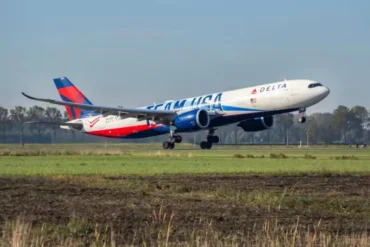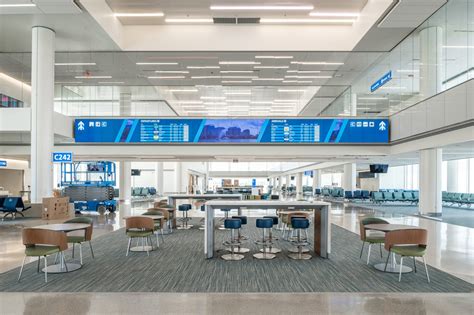
Delta Air Lines is staking a bold claim on Florida’s central corridor with the strategic launch of seven new seasonal Saturday-only routes out of Orlando International Airport (MCO) beginning December 20, 2025. This move signals more than just a short-term capacity play — it may be the early signs of Orlando evolving from a high-traffic leisure destination into a core hub within Delta’s national network.
Orlando International Airport: A Fertile Ground for Delta’s Strategic Growth
In 2023, Orlando International Airport recorded over 58 million passengers, ranking it among the fastest-growing and busiest airports in the United States, according to data from Aviation A2Z. The airport is benefitting from a multi-billion-dollar expansion, most notably the continued development of Terminal C, designed to handle increasing demand while offering Delta the physical space to expand without the heavy slot constraints seen at legacy hubs such as New York–JFK or LAX.
The city’s burgeoning local population, coupled with year-round tourism demand, provides a stable revenue base with significantly less seasonality than comparable leisure markets. This makes Orlando a prime candidate for deeper investment. Delta’s decision to launch these new routes could be a litmus test for future hub designation, paving the way for year-round service and international expansion.
Strategic Use of Saturday-Only Flights to Test Market Viability
Choosing to operate the new routes exclusively on Saturdays may seem unconventional, especially for a full-service legacy carrier like Delta. However, this strategy reflects a shrewd use of existing resources, enabling the airline to gauge market performance with minimal operational disruption.
Saturday is traditionally the quietest day for corporate travel, allowing Delta to maximize aircraft utilization during a typically idle period. It also minimizes the risk of network displacement or revenue cannibalization elsewhere. Delta can operate these new flights through regional affiliates, enabling fast, cost-effective market entry. If demand is robust, weekday service could quickly follow, making this a capital-light, high-reward experiment.
The Seven New Routes: Filling Gaps, Serving Demand
Delta’s new Saturday-only flights will connect Orlando with:
- Birmingham (BHM)
- Omaha (OMA)
- Raleigh-Durham (RDU)
- Cincinnati (CVG)
- Columbus (CMH)
- Kansas City (MCI)
- Milwaukee (MKE)

Each of these destinations presents key advantages. They are large enough to support weekly service, often underserved on a nonstop basis to Orlando, and have strong Delta frequent flyer presence. In short, they are ideal candidates for leisure-focused, point-to-point service that doesn’t require major infrastructure shifts.
Historical Precedent: Delta’s Pattern of Calculated Risk-Taking
Delta’s willingness to test unconventional markets is well established. In 2018, the airline made headlines by launching Indianapolis to Paris service — a move that surprised many industry observers. Likewise, Delta previously connected Pittsburgh to Charles de Gaulle, an unusual transatlantic link operated by a Boeing 757. These bold plays, while paused during the pandemic, underscored Delta’s appetite for experimentation when data supports the upside.
More recently, Delta launched seasonal Saturday-only routes such as:
- JFK to Vail
- LaGuardia to Bozeman
- Salt Lake City to Fort Myers
These niche, leisure-oriented services were driven by granular demand analytics, allowing Delta to extract value from under-tapped travel corridors.
A Potential Network Shake-Up: Delta’s Rivals Take Notice
If the Orlando routes gain traction, Delta may shift its classification of MCO from a focus city to a full-fledged hub. Such a transition would likely bring:
- Increased frequency, especially to business-oriented markets like Raleigh-Durham and Kansas City.
- Year-round schedules, expanding on the current seasonal format.
- International service, particularly as Terminal C is customs-ready. Transatlantic flights or Latin American expansions would be a logical next step.
The ripple effect on competitors would be significant. Southwest and Frontier dominate Orlando’s low-cost market, but Delta’s full-service entry could disrupt pricing models and steal share from rivals. JetBlue’s Northeast-oriented feed would also face erosion, particularly if Delta leverages Orlando to funnel traffic.

Aligning Fare Structures with Market Testing
Coinciding with this route expansion, Delta is rolling out a major fare class rebranding on October 1. The move will retire the legacy “Basic Economy” tag in favor of a new three-tiered structure under “Delta Main”:
- Basic
- Classic
- Extra
Additionally, Comfort+ will become Delta Comfort, and First Class will rebrand as Delta First. This change is not just cosmetic. It offers Delta the flexibility to price precisely across different customer segments, a crucial advantage when launching new, experimental routes like the Orlando seven.
Eric Phillips, Delta’s Chief Digital Officer, described the rebranding as a step toward “clarity and choice,” but it also enables revenue optimization and yield management. With more fare types, Delta can better match price to demand and adjust dynamically as each new market matures.
Onboard Experience: What Travelers Can Expect
Given the Saturday-only schedule, the new Orlando routes cater to leisure travelers and weekend adventurers. Think theme park getaways for Midwest families or sun-seeking escapes from Omaha’s winter chill. Bookings will be available via both cash and SkyMiles redemptions, though low-mileage saver seats will likely be scarce due to limited frequency.
Early filings with aviation authorities indicate a mix of aircraft types. Expect:
- Mainline Airbus A319s and Boeing 737-800s on medium-length legs
- Regional jets on shorter routes such as Birmingham or Cincinnati
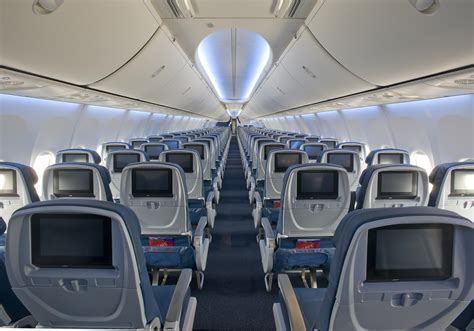
In-cabin services will reflect standard Delta offerings, with streaming entertainment, Wi-Fi availability, and tiered seating options depending on aircraft. Passengers can also expect smooth check-in and boarding at the newly upgraded Terminal C, which is designed with high passenger throughput and digital integration in mind.
The Broader Stakes: Hub Strategy in a Post-Pandemic Landscape
Orlando’s emergence as a possible Delta hub could reflect a larger shift in the airline’s strategic thinking. The hub-and-spoke model, while still dominant, is evolving. Delta’s selective investments in non-hub cities signal a willingness to break traditional molds in pursuit of profitability and passenger convenience.
Unlike congested hubs that suffer from slot scarcity and infrastructure limitations, Orlando offers space, scalability, and access to a resilient leisure market. The airport’s geographic position also provides easy access to Latin America and the Caribbean, positioning MCO as a bridge for future international growth.
If these test routes show strong performance during the winter and spring of 2025–2026, Delta may not just expand service — it may redefine what a hub means in the post-COVID era. Orlando could soon stand alongside Atlanta, Salt Lake City, and Detroit as a major connective node in Delta’s increasingly dynamic network.
Conclusion: A Calculated Move with Game-Changing Potential
Delta’s decision to launch seven new routes from Orlando International Airport is more than a seasonal add-on — it is a calculated bet with outsized implications. By flying only once a week, Delta maintains maximum flexibility. By choosing cities with Delta loyalty and limited competition, it mitigates risk. And by tapping into Orlando’s infrastructure and growth potential, it sets the stage for something much bigger.
As 2026 approaches, all eyes in the aviation industry will be on MCO. What begins as a quiet Saturday schedule could become the foundation for Delta Air Lines’ next great hub.