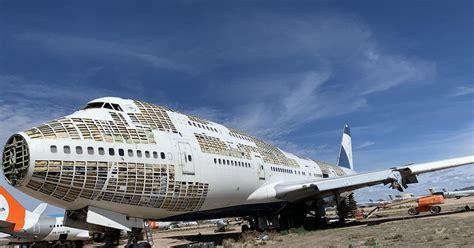
Sourcing valuable materials from aircraft scrapyards is no longer a niche sustainability experiment; it is rapidly becoming a strategic industrial discipline. Airbus has positioned itself at the center of this transformation by proving that retired aircraft are not waste, but repositories of advanced materials with untapped economic and environmental value. Through an ambitious circular-economy initiative, the European manufacturer is turning end-of-life jets into a source of high-performance components, redefining how aerospace thinks about longevity, cost, and innovation.
The global aviation industry has long struggled with the contradiction between technological progress and material waste. Modern aircraft rely heavily on composites engineered for strength, lightness, and durability, yet these same qualities make them notoriously difficult to recycle. Airbus recognized early that solving this challenge would require more than incremental improvements. It would demand a coordinated rethink of sourcing, design, and end-of-life strategy, supported by partners capable of operating at industrial scale rather than laboratory level.
By targeting thermoplastic composites rather than traditional thermosets, Airbus unlocked a pathway that blends engineering pragmatism with sustainability. Thermoplastics can be reheated, reshaped, and reused without fundamentally degrading their mechanical properties. This single material choice laid the groundwork for a breakthrough that now allows components from the massive Airbus A380 to be reborn inside the narrowbody workhorse of global aviation, the A320neo.
From Scrap Heap to Strategic Resource
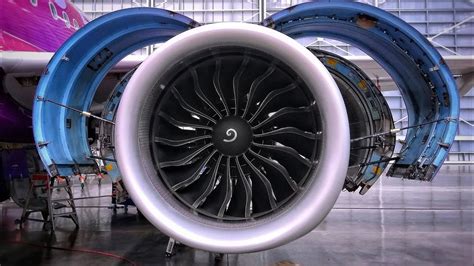
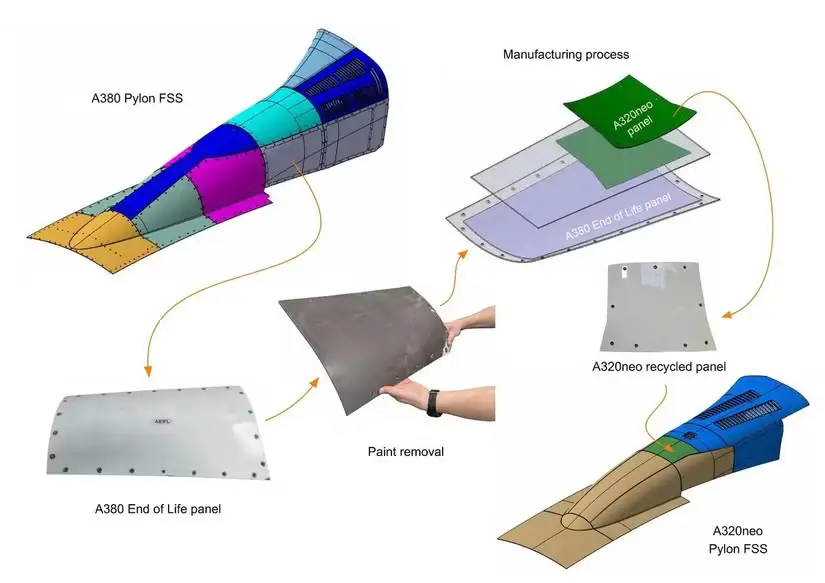
The heart of the initiative lies in the repurposing of engine pylon faring covers from retired Airbus A380 aircraft. These parts, originally designed to endure extreme aerodynamic loads and temperature fluctuations, represent high-value composite assets. In traditional dismantling processes, such components would be downcycled or destroyed, erasing much of the embedded energy and expertise used to create them. Airbus instead chose to intercept this waste stream and elevate it into a closed-loop supply solution.
TARMAC Aerosave, a specialist in aircraft storage and recycling, supplied the end-of-life A380 components and initiated their controlled extraction. Rather than treating dismantling as a terminal process, the company reframed it as the first step in a new manufacturing cycle. This shift allowed Airbus to preserve material integrity while maintaining traceability, a critical requirement in aerospace certification.
Collaborative Engineering Across the Supply Chain
The success of this program rests on deep industrial collaboration. Toray Advanced Composites, which originally developed the thermoplastic material for the A380 pylons, redeveloped the composite to enable reshaping and reuse without compromising performance. This was not a simple recycling exercise; it involved requalifying the material, redefining processing parameters, and ensuring consistency across batches sourced from different aircraft.
Daher then transformed the recycled thermoplastic into new components suitable for the Airbus A320neo. Manufacturing was integrated directly into Daher’s industrial processes, demonstrating that recycled composites can meet production tempo, quality control, and cost targets at scale. Airbus acted as the systems integrator, scientifically validating each step and ensuring compliance with stringent airworthiness standards.
Economic Logic Behind Composite Reuse
Beyond environmental benefits, the program delivers compelling economic advantages. Producing virgin composite materials is energy-intensive, requiring complex chemical processes and long curing cycles. By contrast, repurposing existing thermoplastics significantly reduces energy consumption, shortens production timelines, and lowers material costs. Local sourcing from dismantled aircraft also reduces logistical complexity and exposure to volatile global supply chains.
For airlines operating the A320neo, these efficiencies translate into competitive advantages without compromising safety or performance. The recycled engine cowl components are visually and structurally indistinguishable from newly manufactured parts, reinforcing confidence among operators and regulators alike. This equivalence is essential if circular-economy solutions are to gain widespread acceptance in commercial aviation.
The A380 as a Catalyst for Circular Innovation
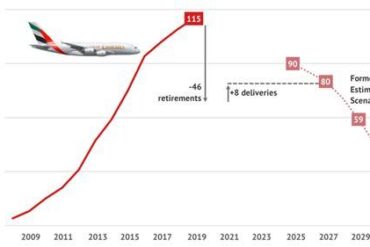
The Airbus A380, produced between 2003 and 2021, has become an unexpected catalyst for material innovation. As airlines retired the double-decker jet due to high operating costs, a growing inventory of advanced composite components entered storage facilities. Airbus recognized that while the aircraft’s economics no longer aligned with airline networks, its materials remained technologically relevant.
By channeling A380 components into the A320neo program, Airbus effectively transferred value from a declining platform to a thriving one. This strategy maximizes return on historical investment while reducing reliance on virgin resources, offering a template for how future aircraft programs can be designed with second-life applications in mind.
Validating Performance and Scaling the Model
Before commercial deployment, Airbus subjected the recycled components to rigorous testing on an A320neo aircraft. Structural performance, durability, and environmental resistance were evaluated to confirm parity with conventional parts. The results validated the technical assumptions underpinning the initiative and cleared the path for broader industrial adoption.
Data collection remains ongoing, as Airbus seeks to refine recovery rates and expand the range of components suitable for reuse. Each successful application strengthens the business case for circular manufacturing and encourages further investment across the supply chain. Recognition from industry bodies, including a prestigious Composites Innovation Award for Toray, underscores the transformative potential of collaborative recycling.
Redefining Aerospace Manufacturing Value
This initiative illustrates how circular economy principles can move beyond theory into profitable, scalable practice. By aligning engineering innovation with supply-chain cooperation, Airbus has demonstrated that sustainability and industrial performance are not opposing goals. Instead, they can reinforce each other, creating resilient manufacturing ecosystems capable of adapting to resource constraints and environmental expectations.
As aerospace faces increasing pressure to reduce emissions and material waste, the lessons from Airbus’s scrapyard sourcing strategy will resonate across the industry. Old jets, once symbols of obsolescence, are now emerging as strategic assets. In turning retired aircraft into new gold, Airbus is not merely recycling materials; it is reshaping the future logic of aircraft manufacturing. This approach signals a durable shift aerospace.