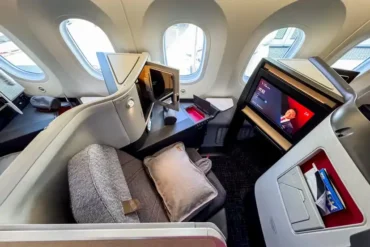
Air France has claimed the title of the World’s Best First Class Airline in 2026, marking a significant shift in the competition for luxury air travel. After years of development and investment, the French flag carrier has overtaken Singapore Airlines, which had dominated the category for much of the previous decade. The achievement reflects more than an impressive seat or an elegant cabin. Air France has combined its redesigned La Première first-class suites with premium lounge dining, personalized airport services, carefully selected onboard cuisine, and exclusive passenger amenities to create an experience that extends from the airport entrance to arrival at the destination.
The award is particularly notable because Singapore Airlines has long been associated with some of the most sophisticated first-class products in commercial aviation. Its spacious suites, polished service, and attention to detail have established a formidable benchmark for competitors. Air France’s victory demonstrates that the contest for the world’s most luxurious airline experience continues to evolve, especially as carriers invest in both physical cabin design and the services surrounding the flight. However, the new ranking also raises an important question: what makes Air France’s first class stand out, and does its latest La Première product justify its position at the top?
Skytrax World Airline Awards 2026: Air France Takes First Place
The Skytrax World Airline Awards are among the aviation industry’s most widely recognized passenger-voted honors. The 2026 ceremony took place in London on September 18, with results based on a survey involving approximately 24.8 million customers across more than 100 countries over the preceding year. Often described as the aviation industry’s equivalent of the Oscars, the awards evaluate airlines across numerous categories, covering everything from overall performance to individual cabin classes and passenger amenities.
Air France secured first place in the World’s Best First Class Airline category, ahead of Singapore Airlines in second, Lufthansa in third, Emirates in fourth, and Cathay Pacific in fifth. The result ended Singapore Airlines’ long run at the top of the first-class category, where it had retained the leading position in consecutive award editions dating back to 2018, excluding 2020, when the awards were canceled because of the pandemic.
The broader results showed that Singapore Airlines remained a powerful competitor across the industry. It was named the World’s Best Airline, with Qatar Airways taking second place, followed by Cathay Pacific, All Nippon Airways, and Turkish Airlines. Qatar Airways also won World’s Best Business Class Airline, while EVA Air received the award for World’s Best Premium Economy Class Airline. Singapore Airlines claimed the World’s Best Economy Class Airline title, reinforcing its strength across multiple travel segments.
These results highlight an important distinction: the airline considered the best overall is not necessarily the carrier offering the highest-rated experience in every cabin. Air France’s first-class victory reflects its performance in a particularly demanding segment, where passengers expect exceptional privacy, exclusive airport facilities, sophisticated dining, and service tailored to individual preferences.
Air France Wins Four Awards at the 2026 Ceremony
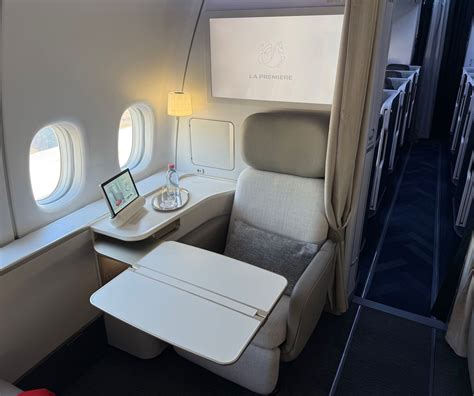
Air France’s success extended beyond the headline first-class award. The airline also received recognition for its lounge dining and comfort amenities, while placing highly in other first-class categories. Its performance suggests that the carrier’s investment has produced a balanced premium experience rather than relying entirely on one headline-grabbing cabin feature.
In the first-class lounge dining category, Air France secured first place. It also won the award for the best first-class comfort amenities, two areas that can significantly influence how passengers perceive the overall value of an expensive ticket. The airline ranked third for first-class lounges and third for first-class seats, while its onboard catering placed second.
The results are revealing because Air France did not lead every individual category. Singapore Airlines retained first place for its first-class seats, while Lufthansa topped the onboard catering category. Cathay Pacific’s The Wing lounge at Hong Kong International Airport also outperformed Air France’s facilities in the lounge category. Nevertheless, Air France’s combination of strong results across several measures helped it secure the overall title.
Singapore Airlines, meanwhile, ranked fifth for first-class lounges, third for onboard catering, third for lounge dining, and fourth for comfort amenities. Although its first-class seat remained the highest-rated in the category, Air France performed better in several elements that contribute to the complete airport-to-aircraft experience.
Air France also received the title of Best Airline in Western Europe for the sixth consecutive year and climbed from eighth to seventh in the overall World’s Best Airlines ranking. Its four awards at the event underline the carrier’s broader progress in premium service and customer satisfaction.
The results do not mean every traveler will necessarily prefer Air France. Skytrax rankings reflect survey responses, and individual passengers may prioritize different features, such as enclosed suites, bedding, food, or lounge facilities. Still, Air France’s success demonstrates that a compelling first-class product requires a coordinated experience, with each stage of the journey contributing to the final impression.
Inside Air France’s La Première Lounge at Paris Charles de Gaulle
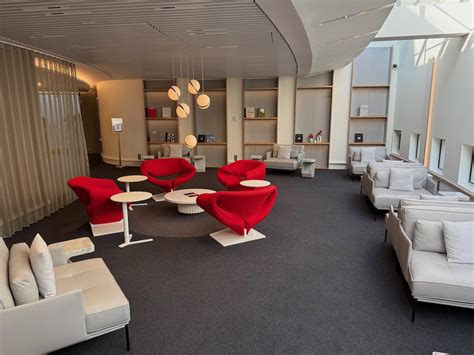
One of the most important contributors to Air France’s victory is its La Première lounge at Paris Charles de Gaulle Airport (CDG). Located at the airline’s principal hub, the lounge offers an environment designed to make the airport experience feel like an extension of the premium cabin rather than an unavoidable waiting period before departure.
Dining is central to the lounge’s appeal. According to Air France, its menu was created by Michelin-starred chef Alain Ducasse, bringing a prominent name in French gastronomy into the first-class travel experience. For passengers accustomed to high-end restaurants, this culinary emphasis helps distinguish the lounge from facilities that primarily offer buffets, snacks, and self-service refreshments.
The experience also extends beyond food. Eligible guests can arrange spa treatments, reserve a private suite within the lounge, and use enclosed work areas. These facilities allow passengers to choose between relaxing before a long-haul flight, attending to professional commitments, or enjoying a quieter environment away from the busier terminal.
Access is generally included for La Première passengers and eligible travelers holding standard or flexible business-class tickets, according to the conditions outlined by Air France. Certain Flying Blue Gold and Platinum members and SkyTeam Elite Plus travelers may also qualify for complimentary access, subject to the applicable rules.
Other travelers may be able to purchase access under specific conditions, including availability and a limited predeparture window. The supplied information lists a price of $105 or 18,000 miles for eligible paid access, although travelers should confirm current prices, eligibility, and booking conditions directly with Air France before planning a visit.
Personalized Services and Exclusive First-Class Amenities
Air France’s investment in La Première extends well beyond the cabin itself. The airline has developed a sequence of premium services intended to reduce the friction associated with airport travel, giving first-class passengers a more private and personalized experience from arrival at the airport to boarding.
Depending on the location and available service, eligible passengers may receive a private chauffeur service to the airport. At Charles de Gaulle, the experience is designed to provide a more discreet transition through check-in, security, and the lounge before the passenger reaches the aircraft. Such services matter because first-class travelers are not simply paying for a larger seat; they are also purchasing convenience, time savings, and a greater degree of personal attention.
Onboard, the airline reinforces that experience with an exclusive amenity kit presented in a leather gift box. The kit includes skincare products from French cosmetics brand Sisley, alongside practical items such as a pen, comb, earplugs, and a night mask. These details may appear relatively minor compared with a private suite, but they contribute to the sense of consistency that premium travelers expect throughout a journey.
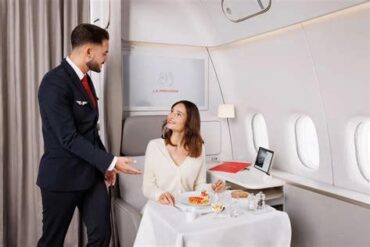
Food and drink are another essential part of the offering. Air France’s onboard menus are developed with leading figures in contemporary French cuisine, while its wine and champagne selections are chosen with the involvement of the airline’s sommelier. The intention is to bring elements of French hospitality and gastronomy into the aircraft, allowing passengers to enjoy a carefully curated dining experience at cruising altitude.
This combination of airport assistance, skincare products, premium beverages, and personalized service helps explain why Air France performed so well in the amenities category. Luxury is often defined by the removal of small inconveniences, and La Première attempts to address those details at every stage of the trip.
The New La Première Suite: Space, Privacy, and a Separate Bed
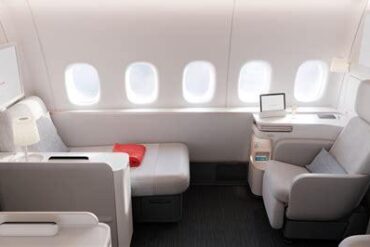
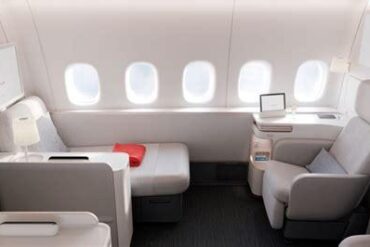
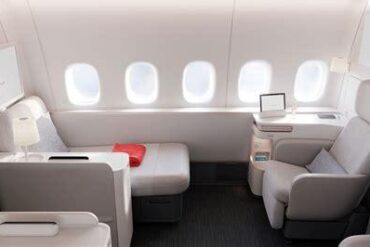
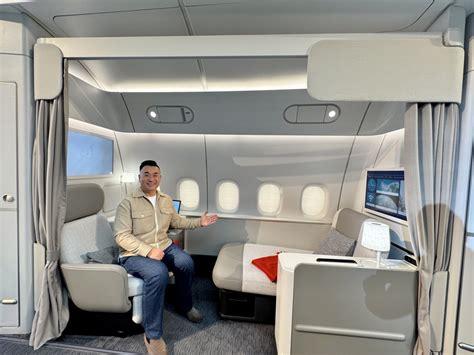
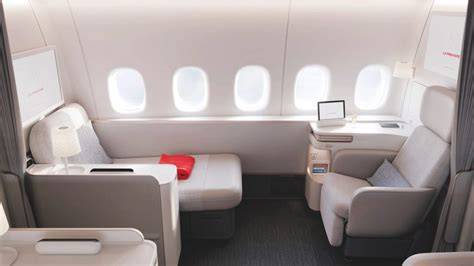
The most visible part of Air France’s transformation is its redesigned La Première first-class suite, introduced in 2025 following approximately three years of development. Rather than simply installing a wider conventional seat, the airline created a private living space with a dedicated chair and a separate chaise lounge that converts into a bed.
Each aircraft equipped with the new cabin offers just four La Première suites, arranged in a single row across the front of the aircraft. Air France provides approximately 37.7 square feet, or 3.5 square meters, of personal space for each passenger, representing a 25% increase over the previous design, according to the airline.
That additional room changes the way passengers can use the suite. The main chair can be adjusted for takeoff, landing, dining, or relaxation, while the separate chaise lounge provides a place to stretch out without having to transform the primary seat into a bed. At bedtime, the chaise converts into a sleeping surface measuring approximately 6 feet 7 inches long and 2 feet 6 inches wide.
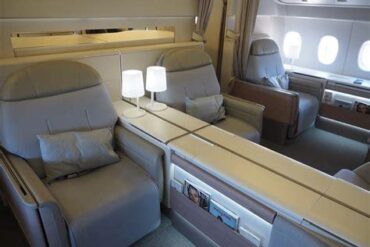
The separate seating arrangement is an important design decision. Many first-class products use a single seat that must serve as a dining chair, lounge seat, and bed. Air France’s approach gives passengers distinct spaces for different activities, potentially making the cabin feel more like a private room than a conventional airline seat.
Privacy is another defining feature. A floor-to-ceiling curtain can be drawn around the suite, creating a more secluded environment without relying on the heavy hard-door assemblies used by some competitors. The design emphasizes openness when privacy is not required and enclosure when passengers want to sleep or relax.
The suites at either end of the row also feature five windows along the side of the aircraft, a distinctive arrangement highlighted by Air France. Passengers traveling together in the middle suites can use an electric sliding partition to create a more connected arrangement. Each suite includes an entertainment system, completing a cabin designed around comfort, flexibility, and individual space.
Why Air France’s First Class Is Not Available on Every Flight
Despite winning the world’s leading first-class award, Air France’s newest La Première suite remains relatively difficult to experience. The product is installed exclusively on selected Boeing 777-300ER aircraft, meaning that booking an Air France long-haul flight does not automatically guarantee access to the redesigned cabin.
The airline has been introducing the suites on routes departing from Paris Charles de Gaulle, with the rollout covering 13 routes as of the period described in the supplied reference material. Seven of those routes served cities in the United States, making the American market particularly relevant for travelers seeking the new product.
Air France has earmarked approximately 19 aircraft for the updated suites. However, with a fleet of 43 Boeing 777-300ERs cited in the reference material, a significant proportion of the aircraft may still operate with the previous configuration during the transition. The airline’s retrofit program should gradually expand the number of flights offering the new product, but the process means availability will remain dependent on the aircraft assigned to a particular departure.
Passengers hoping to experience the redesigned cabin should therefore verify the aircraft configuration before booking. Even when a route is advertised as offering La Première, aircraft substitutions and schedule changes can affect the cabin available on the day. Checking the seat map and confirming the product with Air France can help reduce the risk of paying a substantial premium for a different configuration.
Limited availability also adds an element of exclusivity to the product. With only four first-class suites on each equipped aircraft, the cabin is inherently small. That scarcity can support a more personalized atmosphere, although it also makes securing a seat more challenging on popular routes and dates.
Air France vs. Singapore Airlines: What the 2026 Results Reveal
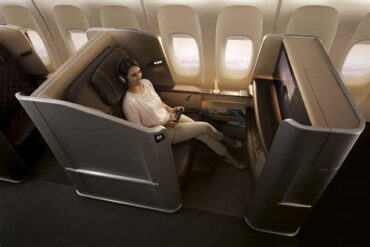
The contest between Air France and Singapore Airlines illustrates two different approaches to first-class excellence. Singapore has built its reputation around sophisticated seating, generous personal space, and a polished onboard experience. Its first-class seat remained the top-ranked product in the 2026 awards, confirming that the airline continues to set a high standard in cabin design.
Air France, however, gained the overall advantage through its performance across the wider passenger journey. Its first-place finishes for lounge dining and comfort amenities, combined with strong rankings for lounges, seats, and onboard catering, helped establish a more comprehensive case for the award. The redesigned La Première suite supplied the centerpiece, while the airline’s French culinary identity and premium airport services strengthened the surrounding experience.
Neither approach is universally superior for every traveler. Someone who prioritizes the physical seat above all else may find Singapore Airlines particularly appealing, while passengers who value a Michelin-associated lounge dining experience, personalized airport handling, and a separate chaise lounge may be drawn to Air France. Route availability, ticket price, loyalty benefits, and the exact aircraft configuration also matter when choosing between the two.
The award should therefore be understood as a recognition of the complete first-class proposition rather than proof that every individual feature on Air France is better than every competitor’s equivalent. That distinction makes the result more meaningful: Air France has demonstrated that the best first-class experience can be built from the interaction of cabin design, hospitality, dining, and airport service.