GE Aerospace says a redesigned mid-seal for the GE9X engine is not expected to create another delay for the Boeing 777X, even though the component is still moving through the final stages of regulatory approval. GE Aerospace CFO Rahul Ghai said on September 17 that the company has a “huge degree of confidence” in the redesigned part after extensive internal testing. The modified engines have already started reaching Boeing, with deliveries beginning during the third quarter of 2026.
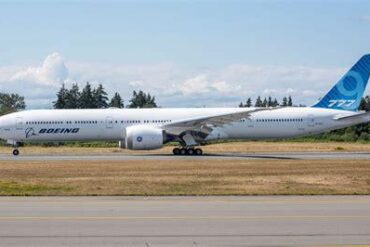
The reassurance is significant because the GE9X is the exclusive engine for the Boeing 777X family, meaning Boeing has no alternative powerplant supplier to turn to if a major engine-development problem threatens the program. The 777X has already experienced years of delays since its first flight in January 2020, and Boeing is currently targeting 2027 for the first delivery of the 777-9 to Lufthansa.
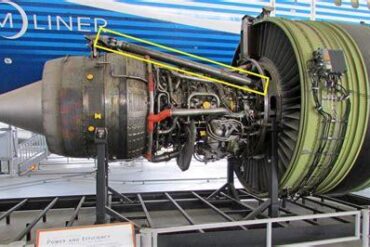
The latest problem involves a durability concern with the engine’s mid-seal, a component that connects the GE9X’s forward and rear sections. GE discovered a crack on a 777X flight-test engine during a shop visit in January 2026. The company subsequently investigated the failure, identified the underlying cause, redesigned the component, and began modifying its production process to accommodate the new configuration.
GE9X Mid-Seal Redesign Moves Toward FAA Approval
GE Aerospace has separated the certification paths for the existing and redesigned versions of the mid-seal, an approach that helps prevent the latest engine issue from automatically stopping Boeing’s ongoing 777-9 certification campaign. According to Ghai, the existing seal remains suitable for the certification work currently underway, including activities Boeing must complete before it can begin its planned ETOPS demonstrations.
The redesigned component, meanwhile, is intended for production GE9X engines and is undergoing a separate FAA approval process. GE expects that approval within the next few months. This distinction is important because it allows Boeing to continue using its existing flight-test configuration while GE completes certification of the component that will eventually be installed on customer aircraft.
Ghai said GE understood the failure mechanism behind the original mid-seal, had developed a solution, and had tested the redesigned component internally. The company’s confidence has been strong enough to incorporate the redesigned seal into every GE9X now being produced. GE began shipping those engines to Boeing during the third quarter, meaning the physical production transition is already underway even though regulatory approval remains outstanding.
That position is broadly consistent with comments from GE Aerospace CEO Larry Culp earlier in 2026. In April, Culp said the company had identified the root cause and was finalizing the modification, while indicating that the GE9X issue had not changed the expected 777X schedule. GE also had more than 1,000 GE9X engines on order, giving the company a substantial reason to address the durability issue without disrupting the wider production program.
Why The GE9X Mid-Seal Problem Matters To The 777X
The mid-seal may be relatively small compared with the enormous GE9X, but its durability is important because the engine must withstand demanding operating conditions over a long service life. Any component that does not meet its expected durability requirements can lead to additional inspections, maintenance requirements, design changes, or certification work.
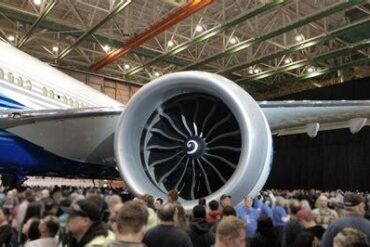
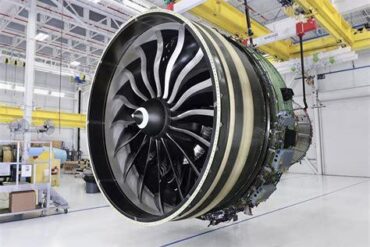
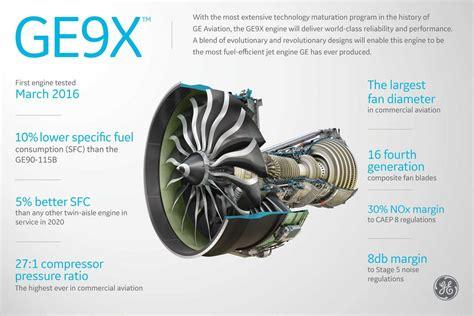
The GE9X itself is one of the most technologically ambitious commercial aircraft engines ever developed. It has a 134-inch (3.40-meter) fan, uses 16 carbon-fiber composite fan blades, and features a 27:1 high-pressure compressor ratio. The engine belongs to the 100,000-pound-thrust class and generated 134,300 pounds of thrust during an engineering test in 2017, setting a Guinness World Records mark for the highest thrust produced by a commercial aircraft jet engine at the time.
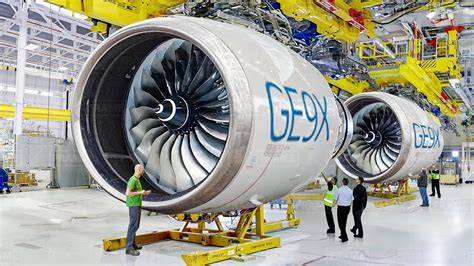
GE has incorporated ceramic-matrix composites, additive-manufactured components, and an advanced composite fan system into the GE9X. These technologies are intended to help produce the enormous amount of thrust required by the 777X while improving fuel efficiency compared with earlier-generation engines. The engine received FAA certification in September 2020, well before the 777X itself completed its aircraft-level certification program.
Durability testing has also been a major part of the GE9X development process. GE previously subjected the engine to demanding dust-ingestion testing intended to simulate harsh operating environments, completing 1,600 cycles before conducting a teardown inspection. The discovery of the mid-seal issue therefore represents a specific durability problem within an engine that has already undergone an extensive development and testing program.
Boeing 777-9 Certification Is Still The Bigger Schedule Challenge
Although GE’s latest comments reduce the likelihood that the mid-seal redesign will become a separate schedule blocker, the 777-9 still has substantial certification work ahead. Boeing reported in July 2026 that its 777X flight-test fleet had accumulated more than 4,800 flight hours across approximately 1,700 flights, but only about half of the planned certification testing had been completed.
Most Type Inspection Authorizations had been granted by that point, although important work remained. TIA 5 and the ETOPS-focused authorizations were among the outstanding milestones. ETOPS demonstrations are particularly important because they involve proving the aircraft’s suitability for extended operations away from diversion airports, an essential requirement for many long-haul routes the 777X is designed to operate.
The relationship between the GE9X redesign and ETOPS certification makes the latest comments from GE particularly relevant. Ghai’s explanation indicates that the current GE9X configuration can support the certification activities needed to reach the ETOPS stage, while the redesigned mid-seal is being approved separately for production aircraft.
Boeing has also continued advancing its customer-aircraft testing. Lufthansa’s first production 777-9 has completed its first flight with a fully outfitted passenger cabin and is expected to participate in additional certification and systems testing. That aircraft represents another step toward the point where the 777X transitions from an extensive test program into an operational commercial aircraft.

2027 Remains The Target For The Boeing 777X
The 777X program has accumulated significant schedule pressure. Reuters previously reported that the program was roughly six years behind its original schedule and had accumulated about $15 billion in charges, illustrating how expensive the prolonged development process has become for Boeing. Airlines have also had to adjust fleet plans as the aircraft’s arrival moved further into the future.
Boeing now expects the first 777-9 delivery to Lufthansa in 2027. GE’s latest assessment does not guarantee that the aircraft will enter service on that timetable, because the remaining certification program includes multiple milestones outside the engine manufacturer’s control. It does, however, indicate that the GE9X mid-seal problem is not currently expected to force another change to the target.
The distinction matters. The 777X is a large and complex aircraft program involving structural testing, systems certification, flight testing, ETOPS approval, production readiness, and customer-specific preparations. Solving one engine component does not remove all of those challenges. What it does is prevent one potentially serious durability issue from becoming an additional obstacle on an already lengthy path toward certification.
For Boeing, that is meaningful progress. For GE Aerospace, the shipment of engines incorporating the redesigned seal demonstrates that the engineering solution has moved beyond the laboratory and into production. FAA approval of the redesigned mid-seal is still required, but GE’s confidence suggests the company does not currently expect that process to derail the 777X’s 2027 service-entry target.
With more than 620 777X-family aircraft ordered by customers, the stakes extend well beyond Boeing and GE. Airlines have been waiting for a new-generation widebody designed around the scale and economics of the 777X, while Boeing needs the aircraft to move through certification after years of delays. The GE9X mid-seal issue is therefore an important development, but based on GE’s latest assessment, it appears to be moving toward resolution rather than becoming another reason for the 777X to slip beyond 2027.