American Airlines is preparing to test a new approach to rolling flight delays, a long-standing source of frustration for passengers who are repeatedly given departure estimates that later change. The trial is expected to begin at Charlotte Douglas International Airport (CLT), where the airline plans to base estimated boarding times partly on when the inbound aircraft is expected to arrive.
The proposed system could address one of the most confusing aspects of a delayed flight. Rather than continuing to display a scheduled departure time while making a series of small adjustments, American would use the actual operating situation of the aircraft to provide passengers with a more realistic indication of when boarding is likely to begin.
The program was first reported by aviation insider JonNYC, who said American plans to calculate estimated boarding times using the arrival time of the inbound aircraft. The idea is relatively straightforward, but it could make a meaningful difference at busy hubs where aircraft and crews operate through tightly connected schedules. American has not publicly confirmed when the trial will begin or how long it will run.
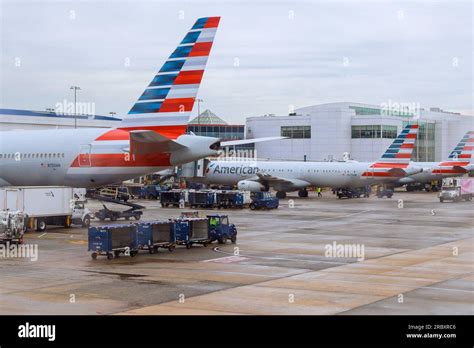
American Airlines Rolling Delays Have Frustrated Passengers for Years
Rolling delays occur when an airline repeatedly pushes a departure time back in relatively small increments instead of providing one realistic revised estimate. A flight scheduled to leave at 5:00 PM might first move to 5:20, then 5:40, then 6:00, leaving passengers uncertain about whether they can safely leave the gate area.
That uncertainty is particularly troublesome at large airports. Passengers may want to buy food, use the restroom, find a quieter place to work, or simply sit somewhere away from a crowded gate. Yet leaving can become a gamble when the airline’s latest estimate does not accurately reflect when boarding will actually begin.
The problem becomes even more difficult for travelers who do not constantly monitor flight-tracking applications. While experienced frequent flyers may check the inbound aircraft’s location themselves, many passengers reasonably depend on American Airlines’ app, website, airport displays, and notifications to tell them what is happening.
Earlier in 2026, American introduced improvements to its digital tools designed to provide more information during disruptions. Delay updates can now include explanations such as maintenance or weather, while push notifications, emails, and text messages can provide additional communication. The new rolling-delay trial would address a different part of the problem: giving customers a more useful estimate of when the flight may actually begin boarding.
Charlotte Is a Logical Test Location for American Airlines
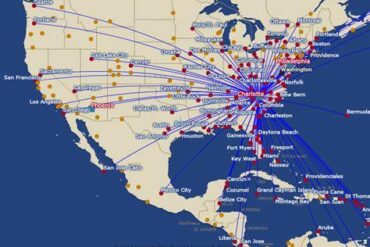
Charlotte is a particularly significant location for the experiment because it is one of American’s largest hubs. The carrier operates roughly 1,400 daily arrivals and departures at the airport and controls approximately 90% of its gates, giving it an unusually large operating footprint.
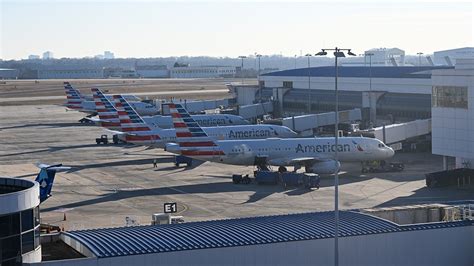
The airport is also heavily dependent on connecting passengers. A disruption involving one aircraft can therefore affect travelers on several subsequent flights, making accurate information especially important. If American can make boarding estimates more closely reflect the actual movement of aircraft through Charlotte, the airline could potentially use the results to refine the system before introducing it elsewhere.
American’s reliability record provides an important backdrop to the experiment. In Cirium’s 2025 on-time performance report, American ranked sixth among North American carriers, with 76.43% of flights arriving within 15 minutes of their scheduled arrival time. The airline has reported improvements during the first half of 2026, although its performance remained behind major competitors including Delta Air Lines and United Airlines.
New Delay Estimates Could Give Passengers More Useful Information
The proposed change does not eliminate delays. Instead, it attempts to make the information surrounding those delays more practical. If the inbound aircraft is still en route, passengers could receive an estimate that reflects its expected arrival rather than repeatedly receiving updates based on an original schedule that is no longer realistic.
The distinction matters because a delayed departure often depends on several steps after the aircraft reaches the airport. The aircraft must arrive, taxi to the gate, allow passengers to disembark, undergo necessary servicing, and prepare for the next group of travelers. A boarding estimate based on the inbound aircraft could therefore provide a clearer picture of the remaining process.
American has also been testing other tools aimed at disruption management. Its Connect Assist feature identifies passengers at risk of missing tight connections and can sometimes hold a departing aircraft briefly, typically for ten minutes or less. The system was initially tested at Dallas/Fort Worth and Charlotte before expanding to additional airports.
The new rolling-delay trial fits into that broader effort to give passengers more useful information during irregular operations. Its success will likely depend on whether the estimates remain accurate when weather, gate congestion, maintenance, crew availability, or other operational problems complicate the schedule. For passengers who have spent years watching departure times move repeatedly across airport screens, however, even a more honest estimate could make a delayed journey considerably easier to manage.