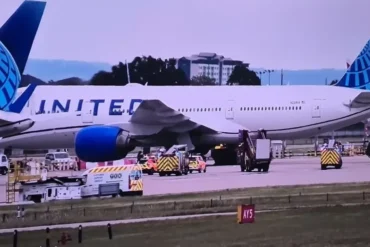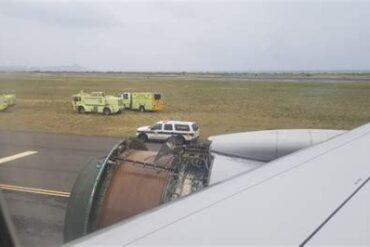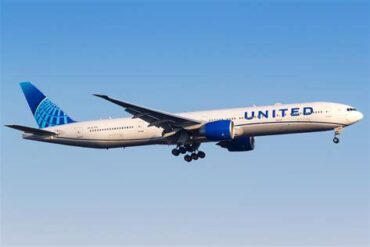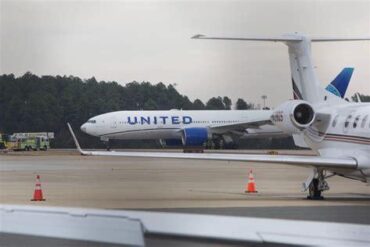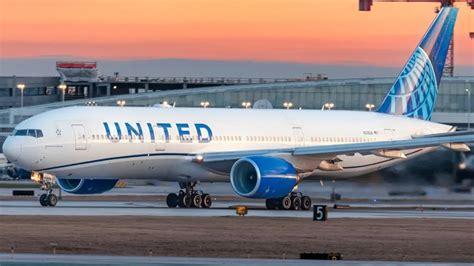
A United Airlines Boeing 777-200ER returned to San Francisco International Airport (SFO) on October 6, 2026, after its crew shut down the aircraft’s right-hand engine during a climb toward Beijing. The aircraft, registered N796UA, was operating flight UA888 to Beijing Capital International Airport (PEK) when the engine reportedly developed loud noises and severe vibrations at approximately 28,000 feet. The crew discontinued the climb, secured the affected engine, and diverted back to San Francisco, where the aircraft landed safely on Runway 28R around 90 minutes after departure.
The incident involved a nearly 29-year-old Boeing 777-200ER powered by Pratt & Whitney PW4090 engines. Although the aircraft returned without a reported injury, the event has renewed attention on the technical and operational challenges associated with maintaining older long-haul aircraft. It also bears a striking resemblance to an engine shutdown involving another United Boeing 777-200ER departing San Francisco just three months earlier.
The cause of the latest malfunction has not been publicly established. However, the incident adds to a series of engine-related events involving United’s Boeing 777 fleet, highlighting the importance of engine inspections, maintenance decisions, and long-term fleet replacement strategies as some early-generation aircraft approach three decades of commercial service.
United Airlines Flight UA888 Returns to San Francisco After Engine Shutdown
Flight UA888 departed San Francisco on October 6, 2026, scheduled to connect the California hub with Beijing. According to reports from The Aviation Herald, the aircraft encountered problems during its climb when the right-hand engine began producing loud noises and severe vibrations. The crew stopped climbing at approximately 28,000 feet before shutting down the affected powerplant and initiating a return to the departure airport.
The aircraft subsequently landed safely on Runway 28R at San Francisco International Airport, approximately 90 minutes after takeoff. The decision to return allowed the crew to bring the aircraft back to an airport equipped to support its inspection and maintenance requirements rather than continue across the Pacific with one engine unavailable.
Modern twin-engine commercial aircraft are designed and certified to continue flying safely following the failure or shutdown of one engine, provided the aircraft remains within its operating limitations and the appropriate procedures are followed. Nevertheless, a transpacific flight presents different operational considerations from a shorter domestic journey. The crew must assess the aircraft’s condition, available diversion airports, fuel requirements, weather, and other factors before determining the safest course of action.
In this case, the crew returned to San Francisco rather than continuing toward Beijing. The Boeing 777 landed without a reported injury, but the aircraft remained grounded following the incident while its technical condition was assessed. No definitive explanation for the engine malfunction had been publicly confirmed in the available reports.
Nearly 29-Year-Old Boeing 777-200ER Has a Long United Airlines History
The aircraft involved, N796UA, was delivered new to United Airlines in January 1998. It has therefore spent almost its entire operating life with the airline, apart from periods of storage, including during the COVID-19 pandemic.
N796UA belongs to the Boeing 777-200ER family, an extended-range version of Boeing’s original 777-200. The aircraft was developed to support long-distance international operations, combining substantial passenger capacity with the range required for intercontinental routes. United has operated the 777 since 1995, making it one of the aircraft types that helped establish the airline’s modern long-haul network.
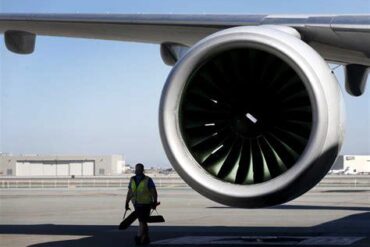
The aircraft is powered by two Pratt & Whitney PW4090 engines, part of the PW4000-112 family developed for early Boeing 777 variants. These engines were designed to provide the high thrust required by the widebody aircraft, which can carry hundreds of passengers alongside their luggage and cargo over long distances.
An aircraft approaching 29 years of service is undeniably old compared with many newer widebodies entering airline fleets today. However, chronological age alone does not establish that an aircraft is unsafe. Commercial aircraft can remain in service for decades when maintenance, inspections, structural assessments, and required modifications are performed in accordance with applicable regulations.
The more significant questions concern the condition of individual components, the availability of replacement parts, the cost of heavy maintenance, and whether keeping an older aircraft in service remains economically attractive. For an airline operating an extensive long-haul network, those considerations must be balanced against the substantial expense and delivery delays that can accompany fleet replacement.
The Same Boeing 777 Experienced an Engine Failure in 1998
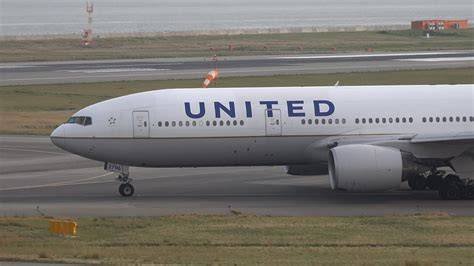
N796UA has an unusual history because it experienced a serious engine malfunction less than a year after entering service. On July 29, 1998, the aircraft was departing London Heathrow Airport for San Francisco when smoke entered the flight deck and cabin. The crew also heard a loud bang before detecting a complete loss of oil pressure in the left-hand engine.
The pilots shut down the affected engine and returned safely to Heathrow. An investigation by the United Kingdom’s Air Accidents Investigation Branch identified a failed carbon seal as the cause of the rapid oil loss and subsequent internal engine damage.
The investigation found that the engine’s oil contents had fallen from 17 US quarts to zero following the seal failure. The resulting loss of lubrication led to additional damage and heating within the engine, with heat damage also affecting the surrounding nacelle.
The 1998 event and the October 2026 incident both involved the same aircraft, but they occurred more than 28 years apart and involved opposite engines. The earlier investigation identified a specific mechanical failure, whereas the cause of the latest malfunction had not been publicly established at the time of reporting.
Consequently, the two events should not be treated as evidence of a single recurring defect. The previous failure provides historical context, but determining whether the latest incident resulted from a mechanical, lubrication-related, or other technical problem requires evidence from the current investigation and subsequent maintenance findings.
Another United Boeing 777 Returned to San Francisco in July
The October incident closely resembles an event on July 9, 2026, involving another United Boeing 777-200ER, registered N228UA.
That aircraft was operating flight UA926 from San Francisco to Frankfurt Airport when its right-hand Pratt & Whitney PW4090 engine reportedly emitted a loud bang while climbing through approximately 29,000 feet. The crew shut down the engine and returned to San Francisco, landing safely on the same runway after roughly an hour.
The similarities are notable. Both aircraft were Boeing 777-200ERs departing SFO on long-haul international services, both were powered by PW4090 engines, and both experienced problems involving the right-hand engine during the climb at broadly similar altitudes.
However, these similarities do not establish that the two malfunctions shared a common cause. Engine failures can arise from different component defects, material fatigue, foreign-object damage, lubrication problems, or other mechanical conditions. Establishing a connection would require technical examination of the affected engines and relevant maintenance records.
For United, the operational consequences are nevertheless significant. An unscheduled return interrupts a long-haul schedule, requires aircraft inspection, and can affect connecting passengers, crew assignments, and subsequent flights. Depending on the time required for repairs, an aircraft may remain unavailable for an extended period, forcing the airline to rearrange its fleet and potentially delay or cancel services.
United’s Boeing 777 Fleet Has Experienced Other Serious Engine Incidents
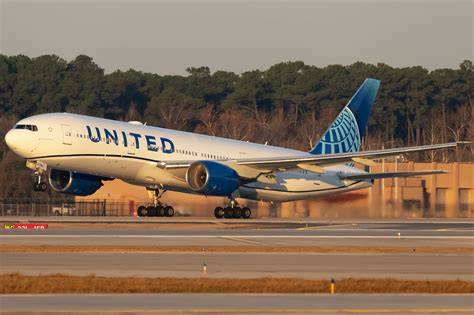
The two San Francisco returns form part of a broader history of engine-related incidents involving United’s Boeing 777s. These events have involved both Pratt & Whitney PW4000 engines and General Electric GE90 powerplants, demonstrating that the airline’s operational experience extends beyond one engine manufacturer.
On February 13, 2018, Boeing 777-200 N773UA suffered a fan blade failure involving a PW4077 engine while flying over the Pacific. The incident damaged the engine nacelle, but the aircraft landed safely in Honolulu.
Three years later, on February 20, 2021, another PW4077-powered Boeing 777, operating United flight UA328, experienced a much more widely reported failure shortly after departing Denver International Airport for Honolulu. A fractured fan blade damaged the right-hand engine and nacelle, resulting in a fire and debris falling onto residential areas in Broomfield, Colorado.
The aircraft returned safely to Denver with all 239 occupants accounted for and no reported injuries among those aboard.
The National Transportation Safety Board subsequently identified fatigue failure of a fan blade as the probable cause. The investigation also highlighted deficiencies involving inspections and inspection intervals. The event prompted regulatory action and widespread grounding of affected PW4000-powered Boeing 777s, with United undertaking the required inspections and modifications before returning its aircraft to service.
More recently, in June 2026, United flight operations involving a GE90-powered Boeing 777-200 were disrupted after passengers reportedly observed repeated bangs and flames from the right-hand engine during departure from Houston’s George Bush Intercontinental Airport. The aircraft, identified as N78009, returned to the airport after the crew shut down the affected engine.
These incidents differ in their circumstances, severity, and reported technical details. They should not be grouped together as evidence of one fleet-wide defect. Instead, they demonstrate why engine reliability, component inspections, and individual aircraft maintenance histories remain central to commercial aviation safety.
Why United Continues Operating Older Boeing 777s
Despite the history of engine-related incidents, United has substantial commercial reasons to retain its Boeing 777-200 and 777-200ER aircraft.
At the end of 2025, the airline’s fleet included 19 Boeing 777-200s averaging approximately 28.5 years old and 55 Boeing 777-200ERs averaging 25.8 years. These aircraft provide considerable passenger and cargo capacity, supporting both long-haul international services and selected high-density domestic routes.
United’s July 2026 fleet plan projected that all 96 of its Boeing 777s, including 22 newer 777-300ERs, would remain in the fleet through the end of the year. During the same period, the airline expected its Boeing 787 fleet to expand from 85 to 100 aircraft.
The Boeing 787 offers airlines several advantages, including newer-generation engines, improved fuel efficiency, and modern cabin technology. Increasing the number of Dreamliners allows United to support network growth while gradually creating opportunities to reassess how older widebodies are deployed.
However, replacing an entire fleet is expensive and takes time. Airlines must secure new aircraft deliveries, train pilots and maintenance personnel, establish spare-parts inventories, and adjust schedules around fleet availability. Existing Boeing 777s may also remain commercially valuable because their capacity and range suit routes that generate sufficient demand.
No firm retirement timetable for United’s 777-200 fleet had been announced in the supplied material. The airline’s projected retention of its wider 777 fleet through 2026 indicates that the type remains an important part of its capacity strategy, even as newer aircraft enter service.
How Other Airlines Are Approaching Aging Boeing 777 Fleets
United is not alone in operating older Boeing 777s, but airlines have adopted different strategies depending on fleet composition, passenger demand, replacement aircraft availability, and financial circumstances.
Japan Airlines took a different approach after its own serious engine failure on December 4, 2020. Flight JL904 suffered a PW4074 fan blade failure shortly after departing Okinawa, damaging the engine and aircraft before returning safely. Following the subsequent United UA328 incident, JAL grounded its 13 PW4000-powered Boeing 777s and accelerated their retirement to March 2021. The airline also had newer Airbus A350-900s available, making the decision more practical amid reduced pandemic-era demand.
American Airlines, meanwhile, operates 47 Boeing 777-200ERs and has pursued cabin improvements rather than announcing broad near-term retirements. The aircraft provide valuable long-haul capacity, and removing them without adequate replacements could constrain the airline’s international network.
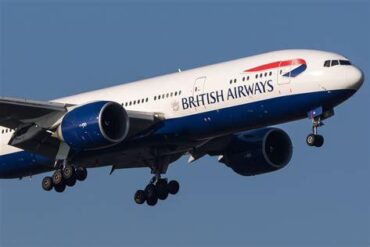
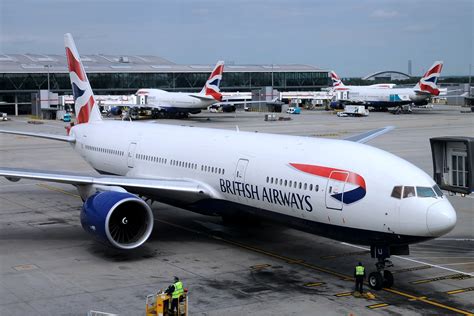
British Airways has outlined a more defined replacement pathway for its Gatwick-based 777-200ER fleet. Chief Executive Sean Doyle confirmed that Boeing 787-10 aircraft would begin replacing those jets in 2029. The planned transition reflects the broader industry shift toward newer widebodies with improved operating economics.
These different approaches show that there is no universal retirement age for a Boeing 777. An aircraft’s future depends on its technical condition, maintenance costs, fuel consumption, expected remaining service life, and the availability of a suitable replacement.
What the Latest Engine Incident Means for United
The safe return of UA888 demonstrates the importance of established crew procedures and the ability of a twin-engine aircraft to operate following an engine shutdown. The event also underscores the need to distinguish between an operational disruption and a confirmed safety finding.
At present, the cause of the October 6 malfunction remains unconfirmed in the available reporting. The similarities with July’s incident are noteworthy, but they do not establish that United’s PW4090 engines share a specific technical defect. That determination depends on detailed inspections, maintenance evidence, and any findings released by the relevant parties.
For United, the immediate priority is establishing why N796UA’s right-hand engine developed severe vibrations and loud noises, determining what repairs are required, and deciding when the aircraft can safely return to service. The longer-term question is how the airline will balance the economic value of its mature Boeing 777 fleet against the cost and operational benefits of newer aircraft.
The Boeing 777 remains a major component of global long-haul aviation, and aircraft age alone does not determine safety. Nevertheless, as first-generation examples approach 30 years of service, maintenance requirements, engine reliability, and replacement planning will become increasingly important to airline fleet decisions.
United’s latest return to San Francisco is therefore both an isolated operational event whose technical cause remains unresolved and another reminder of the responsibilities involved in maintaining an aging widebody fleet. The aircraft landed safely, but its return to service—and the future deployment of similar aircraft—will depend on the findings of the technical assessments that follow.