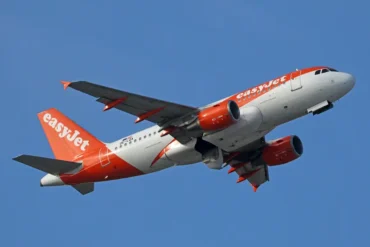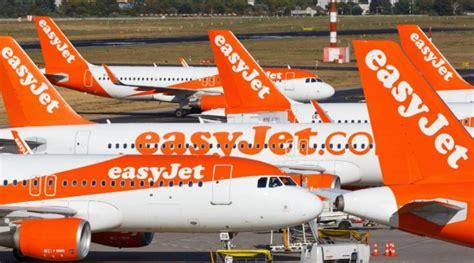
EasyJet is cutting another 700,000 seats from its winter flight schedule, adding to the 600,000 to 700,000 seats it announced it would remove earlier in the summer. The additional reduction highlights the growing pressure on European airlines as rising jet fuel prices threaten profitability during the winter season, which runs from October through March. With easyJet typically offering around 50 million seats over this period, the latest cuts represent a significant adjustment to its planned capacity, equivalent to approximately two full days of flying across its network.
The decision comes as airlines grapple with higher operating expenses linked to the ongoing crisis in the Middle East, which has contributed to sharp increases in oil and jet fuel prices. Although airlines use fuel hedging to protect themselves from market volatility, these arrangements do not eliminate exposure to rising costs. EasyJet’s latest move reflects a broader effort to manage expenses by reducing flights that would otherwise require greater reliance on more expensive fuel supplies.
Why EasyJet Is Cutting 700,000 More Winter Seats
Fuel costs are among the largest expenses for any airline, making sudden price increases particularly difficult to absorb when ticket prices and passenger demand cannot adjust immediately. Airlines typically purchase some of their fuel through hedging agreements, which lock in prices or otherwise reduce exposure to market fluctuations. The remainder is purchased at prices more closely linked to prevailing market conditions, leaving carriers vulnerable when oil prices rise sharply.
EasyJet CEO Kenton Jarvis explained to the Financial Times that reducing capacity would allow the airline to cut its use of more expensive fuel during the winter. By removing selected flights, the carrier can limit exposure to higher variable costs while concentrating its resources on services that offer stronger financial returns. The International Air Transport Association has warned that airlines could face an additional $100 billion in fuel expenses in 2026, illustrating the scale of the financial challenge facing the industry.

EasyJet has emphasized that the reductions affect only a small proportion of its overall flying program. The airline also said schedule changes are made in advance and generally target flights operating multiple times per day, allowing affected passengers to transfer to alternative services more easily. Nevertheless, fewer seats mean reduced choice for travelers, particularly those relying on specific departure times for winter holidays, business trips, and connecting journeys.
EasyJet’s Route Network Has Also Undergone Changes
The latest winter reductions come against a wider backdrop of adjustments to easyJet’s European network. Since January 2025, the airline has withdrawn from several airports, suggesting that its capacity strategy involves more than simply responding to temporary fuel-price increases.
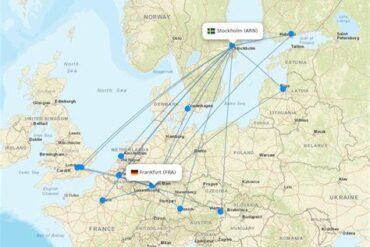
Milan Bergamo was removed from the network in January 2025, followed by Stockholm Arlanda in November 2025 and Istanbul Airport in March 2026. Further withdrawals listed in the supplied schedule include Harstad/Narvik Airport in September 2026, Oslo Gardermoen in October 2026, and Leeds Bradford in January 2027. These airports had different histories with easyJet, ranging from relatively recent operations to services maintained for many years.
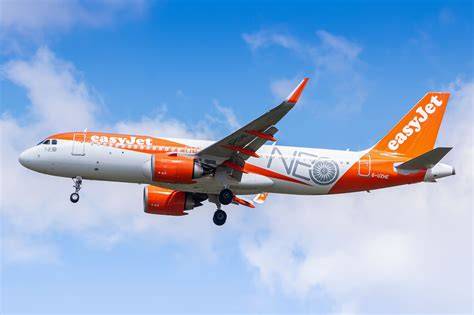
However, airport withdrawals do not necessarily mean that all the associated aircraft capacity disappears from the airline’s network. Previous analysis indicated that capacity used on discontinued routes had been redeployed elsewhere. EasyJet’s initial 2026 schedules projected a record 105 million seats across its network, suggesting that the airline had continued pursuing growth before subsequent adjustments became necessary. The distinction between withdrawing from individual markets and reducing overall capacity is important: an airline can discontinue weaker routes while maintaining or increasing services where demand and yields are more attractive.
Ryanair Is Also Reducing Winter Capacity
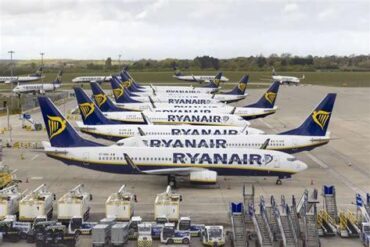
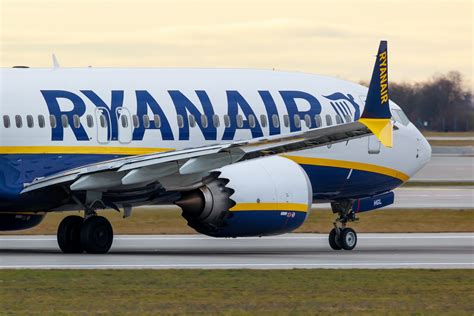
EasyJet is not alone in adjusting its schedule as fuel costs rise. Ryanair has reduced its financial-year 2027 traffic target by two million passengers, bringing its planned total to 214 million customers for the year ending March 31, 2027. The airline expects the change to reduce winter losses by up to €70 million, or approximately $81 million, leaving projected losses of around €100 million, equivalent to $116 million.
Ryanair has also benefited from substantial fuel hedging. According to the supplied figures, it has 80% of its fuel requirements hedged at $67 per barrel and another 15% at $85 per barrel. This protection limits exposure to immediate price increases, although it does not remove every cost risk. With jet fuel reportedly trading at around $140 per barrel, reducing less profitable flying can help the airline preserve margins.
What the Winter Cuts Mean for Passengers
For travelers, easyJet’s additional reductions could mean fewer departure times and less flexibility on selected routes. Passengers whose flights are changed should review the alternatives offered by the airline and check whether replacement services suit their travel plans. Routes with several daily departures may provide more options than those served only once a day, but availability will depend on the specific market and date.
Ultimately, easyJet’s decision reflects a difficult balance between maintaining network coverage and controlling operating costs. The additional 700,000-seat reduction, following the earlier cuts, shows how quickly airline capacity plans can change when fuel economics deteriorate. As winter approaches, protecting profitability rather than maximizing the number of flights is becoming a priority for European low-cost carriers, with passengers likely to feel the effects through more selective schedules and fewer available seats on affected services.