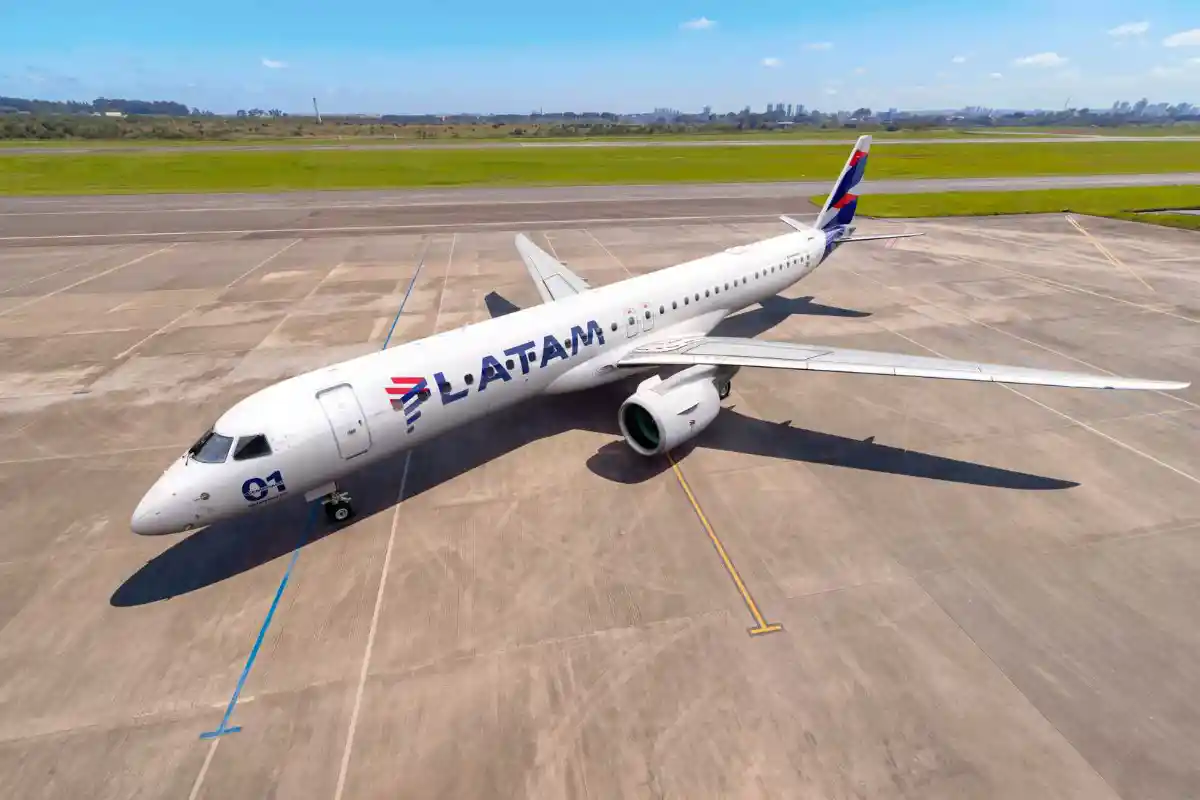
LATAM Airlines Brazil has begun the delivery process for its first Embraer E195-E2, marking a significant step in the airline’s plans to expand its domestic network and reach new markets. The Brazilian carrier expects to receive 12 aircraft in 2026 as part of a larger order for 74 E195-E2s, with the first passenger services scheduled to begin between November 2026 and March 2027.
The agreement represents an important development for both LATAM and Embraer. For the airline, the E195-E2 will provide additional capacity for routes that may not require larger narrowbody aircraft, while offering improved fuel efficiency and a cabin designed around passenger comfort. For Embraer, the order strengthens the position of its latest-generation regional jet family in one of the world’s largest domestic aviation markets.
LATAM Brazil has already expanded considerably over the past six years. The airline previously served 44 airports across the country, compared with 63 today. Introducing the E195-E2 will give it another tool to reach smaller cities, increase frequencies where demand supports them, and connect more passengers with its broader domestic and international network.

LATAM’s 74-Aircraft E195-E2 Order Targets Domestic Growth
The first aircraft entering the delivery process is the opening step in a fleet expansion that could reshape LATAM Brazil’s domestic operations. The airline plans to use its initial 14 E195-E2s across 42 routes, including eight new services. These aircraft will support the carrier’s effort to reach markets where additional air connections could stimulate demand and improve access to Brazil’s wider aviation network.
Among the destinations identified for the expansion are Cabo Frio International Airport (CFB) in Rio de Janeiro, José Coleto Airport (JPR) in Ji-Paraná, Benedito Lacerda Airport (MEA) in Macaé, and Maestro Marinho Franco Airport (ROO) in Rondonópolis. Serving these locations would broaden LATAM’s reach beyond Brazil’s largest metropolitan markets, giving passengers in smaller cities more opportunities to connect through the airline’s established network.
The planned introduction of these routes is especially important in a country with Brazil’s geographic scale. Long distances between population centers make air travel an essential transport option, while differences in local demand can make aircraft size a critical consideration. The E195-E2 offers LATAM the flexibility to develop routes without necessarily deploying aircraft designed for substantially higher passenger volumes.
LATAM Brazil CEO Jerome Cadier said the airline selected the aircraft to expand its presence sustainably. He explained that the E195-E2 would help connect markets with strong demand and economic potential to LATAM’s global network, with the company aiming to serve more than 70 Brazilian airports as early as 2027.
LATAM is also considering up to 18 additional destinations for 2027 that could be served by the new aircraft. These remain under consideration rather than confirmed launches, but they illustrate the potential scale of the airline’s expansion plans as more jets join the fleet.
Embraer E195-E2 Specifications and Performance
The E195-E2 is the largest member of Embraer’s second-generation E-Jet family. It combines a redesigned wing, modern engines and updated systems to improve efficiency compared with earlier E-Jets. Its capabilities make it suitable for airlines seeking a balance between passenger capacity, operating costs and the ability to serve a wide range of routes.
According to Embraer’s published specifications, the aircraft has a maximum takeoff weight of 138,000 pounds (62,500 kilograms) and can carry between 120 and 146 passengers, depending on the cabin configuration. LATAM Brazil intends to install 136 seats, placing its planned layout within that range while retaining room for a premium economy section.
The E195-E2 has a maximum cruising speed of Mach 0.82 and a service ceiling of 41,000 feet. Its stated range with a full passenger load is approximately 3,000 nautical miles (5,556 kilometers), giving airlines considerable flexibility when planning domestic and selected regional services. Maximum usable fuel capacity is 30,181 pounds (13,690 kilograms).
These characteristics allow the aircraft to cover routes of varying lengths while accommodating a meaningful passenger load. For LATAM, that combination could support new city pairs as well as additional frequencies on existing routes, depending on demand, airport infrastructure and operational requirements.
Certification Process Moves Toward Passenger Operations
Although the first aircraft has entered LATAM Brazil’s delivery process, it must complete several steps before carrying paying passengers. These include customs procedures, approval of the cabin interior and completion of certification requirements with Brazil’s National Civil Aviation Agency (ANAC).
LATAM expects to complete the process within a year of announcing its acquisition of the aircraft. Cooperation between the airline and Embraer has helped streamline preparations by allowing LATAM personnel to gain experience with the aircraft before the start of commercial operations.
One important resource has been Embraer’s E195-E2 demonstrator, known as Profit Hunter. LATAM used the aircraft for evacuation demonstrations, evaluation flights and training activities involving pilots and cabin crew. These exercises provide opportunities to assess operational procedures, familiarize employees with the aircraft’s systems and prepare staff for the requirements of passenger service.
The first commercial flights are expected between November 2026 and March 2027. The precise entry-into-service date will depend on the completion of the remaining procedures and the airline’s operational readiness.
Inside LATAM Brazil’s 136-Seat E195-E2 Cabin
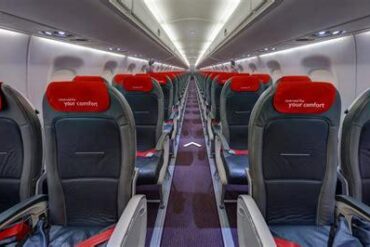
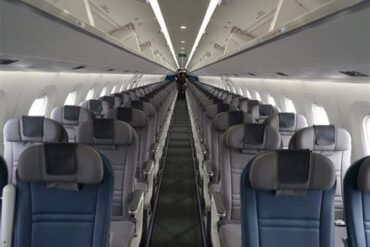
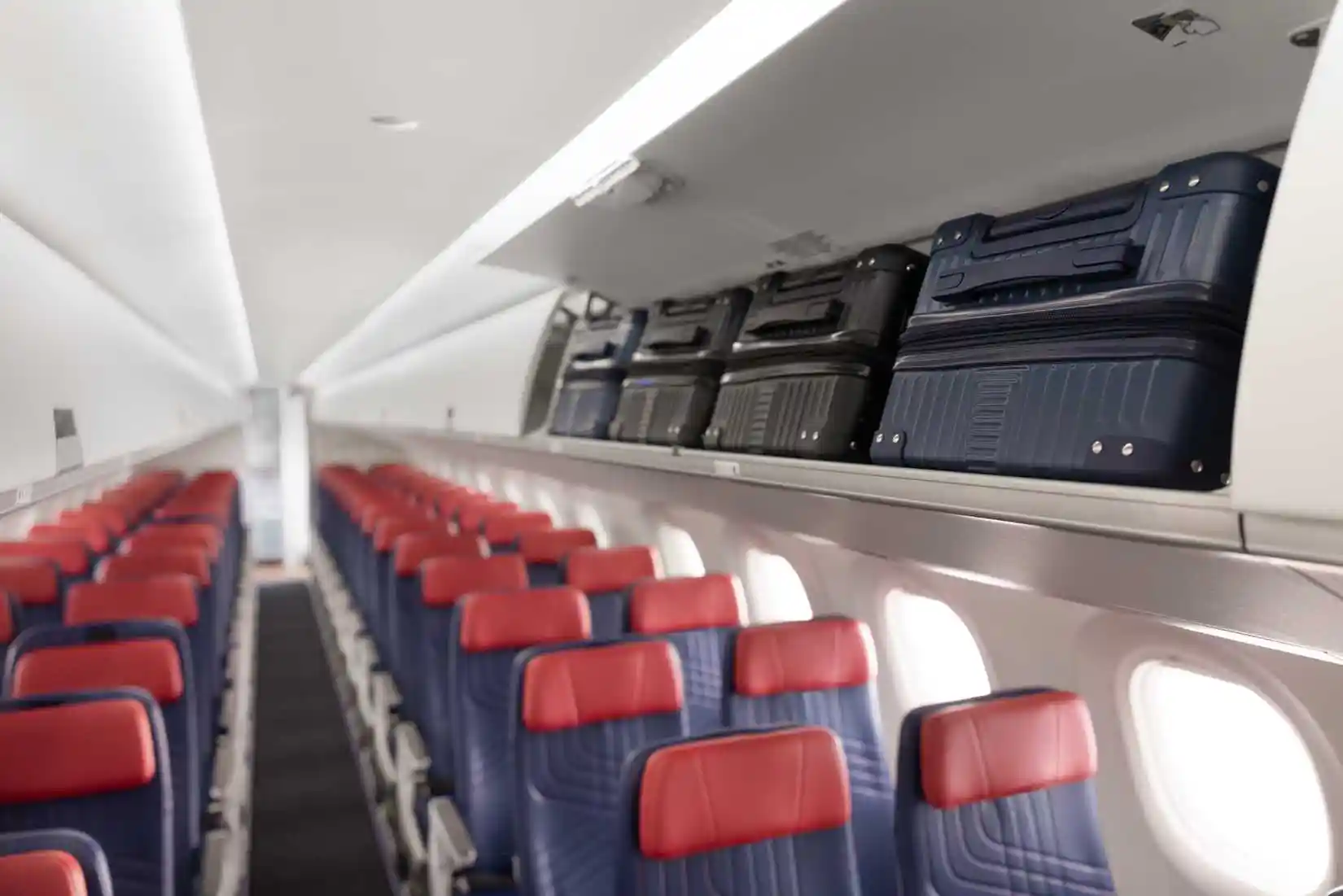
LATAM Brazil plans to configure its E195-E2s with 136 seats in a 2-2 layout, divided between premium economy and economy. Unlike larger single-aisle aircraft with three seats on each side of the aisle, the E195-E2’s narrower cabin allows two seats per side, meaning passengers will not encounter a middle seat in the planned arrangement.
The premium economy section is expected to contain up to 20 seats, although configurations may vary between individual aircraft. Passengers in this cabin will benefit from additional legroom, greater seat recline and enhanced onboard services. The airline also plans to provide USB-C charging ports and access to LATAM Play, its onboard entertainment platform.
Eligible registered LATAM Pass members will be able to access free Wi-Fi, adding connectivity to the onboard offering. The combination of a two-seat layout, charging facilities and a dedicated premium economy cabin could help the airline appeal to both leisure travelers and passengers making business trips between Brazilian cities.
Fuel Efficiency and Sustainability Benefits
Operating costs will be another important consideration as LATAM expands its fleet. Embraer states that the E195-E2 can deliver up to 30% lower fuel consumption than first-generation E-Jets. Across a large fleet, improvements of this scale can influence airline economics by reducing fuel requirements and helping lower operating costs on suitable routes.
The manufacturer also attributes a reduction of approximately 25% in carbon emissions to advances across the E2 family. These gains are supported by aerodynamic improvements, newer powerplants and updated aircraft technologies. Actual results will depend on factors including route length, passenger loads, operating conditions and the aircraft being replaced.
The E195-E2 also features fourth-generation fly-by-wire flight controls, which electronically translate pilot inputs into commands for the aircraft’s control surfaces. The system helps manage flight characteristics and can reduce aspects of the pilots’ workload while supporting precise aircraft handling.
For LATAM Brazil, these improvements align with its broader objective of expanding capacity while pursuing greater operational efficiency. The aircraft’s long-term contribution will depend on how effectively the airline matches its seating capacity to demand across its growing network.
What the E195-E2 Means for LATAM’s Future Network
The arrival of the E195-E2 represents more than a fleet renewal milestone. With 74 aircraft planned under the order and 12 deliveries expected in 2026, LATAM Brazil is preparing to expand its reach while introducing a newer generation of regional aircraft to its operations.
The initial 14 aircraft are expected to serve 42 routes, including eight new services, while additional destinations remain under consideration for 2027. If the airline’s plans proceed as outlined, the E195-E2 could help LATAM serve smaller markets more frequently and connect more Brazilian communities to its wider network.
The program also highlights the importance of aircraft selection in domestic expansion. Rather than relying exclusively on larger narrowbody jets, LATAM can use the E195-E2’s capacity, range and efficiency to develop routes suited to a different passenger-demand profile.
As certification progresses and the first commercial flights approach, attention will turn to delivery schedules, confirmed route announcements and the aircraft’s performance in everyday service. The E195-E2’s introduction could become a defining part of LATAM Brazil’s next stage of growth, particularly as the airline works toward serving more than 70 airports across the country.