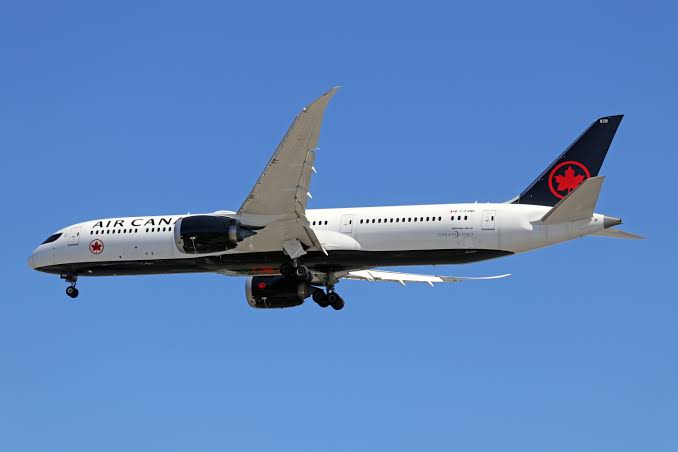
Canada and Côte d’Ivoire have significantly expanded their air transport relationship, with a new agreement doubling the number of passenger flights permitted between the two countries. The arrangement increases passenger and cargo opportunities while opening the door to new fifth-freedom cargo operations involving Africa, Europe, the United Kingdom, and the United States.
The agreement, announced by Transport Canada, represents a notable expansion of aviation access between North America and West Africa. It comes as Côte d’Ivoire develops one of sub-Saharan Africa’s more dynamic aviation markets, while commercial and investment ties between the two countries continue to grow.
For Canadian airlines, the new framework provides considerably more room to develop services to Côte d’Ivoire. For Ivorian carriers, particularly Air Côte d’Ivoire, it creates an opportunity to consider a future long-haul network that could extend beyond its current European operations.
Canada-Côte d’Ivoire Agreement Doubles Passenger Flight Capacity
The most important change is the increase in permitted passenger services. Under the expanded agreement, each country can operate up to 14 passenger-combination flights per week, effectively doubling the previous allowance.
The additional capacity does not restrict airlines to a single airport pairing. The permitted passenger services can operate to relevant airports in Canada and Côte d’Ivoire, giving carriers greater flexibility when planning future networks.
That flexibility could become increasingly valuable as demand for business, tourism, education, family travel, and trade between the two countries develops. Rather than simply adding frequencies to an existing route, the agreement provides airlines with additional room to determine which Canadian and Ivorian cities can support future nonstop connectivity.
The timing is particularly interesting because Côte d’Ivoire has become an increasingly important economic partner for Canada in sub-Saharan Africa. Bilateral trade reached approximately $1.2 billion in 2025, according to the reference material, while Canadian officials have highlighted substantial recent growth in commercial ties.
Cargo Rights Expand Alongside Passenger Services
The agreement is not limited to passenger aviation. Canada and Côte d’Ivoire have also increased the available capacity for dedicated freighter operations, with up to 10 all-cargo flights per week permitted for each country.
This could be especially significant for companies moving high-value or time-sensitive products between North America and West Africa. Cargo aircraft can support trade flows that are not always practical through passenger aircraft belly capacity, particularly as bilateral commercial relationships become more sophisticated.
The agreement also introduces expanded fifth-freedom cargo rights. These rights allow an airline to carry cargo between two foreign countries when its flight originates from or terminates in its home country.
Under the new arrangement, those fifth-freedom opportunities cover points in Africa, the European Union, the United Kingdom, and the United States. That gives cargo operators considerably more network flexibility and could make Côte d’Ivoire more attractive as a regional logistics point.
Abidjan Airport Is Positioned for More International Growth
The expanded aviation rights arrive as Félix-Houphouët-Boigny International Airport in Abidjan continues to strengthen its position as Côte d’Ivoire’s principal international gateway.

The airport currently handles roughly 2.3 million passengers annually and serves more than 40 destinations with approximately 29 airlines. Its role extends beyond serving Abidjan itself, because the airport provides an important connection point for passengers and businesses traveling across West Africa.
The airport’s development is closely connected to the ambitions of Air Côte d’Ivoire, the country’s flag carrier. The airline has expanded its capabilities in recent years, demonstrating that Côte d’Ivoire is no longer focused exclusively on short- and medium-haul regional aviation.
Air Côte d’Ivoire Could Eventually Target Canada
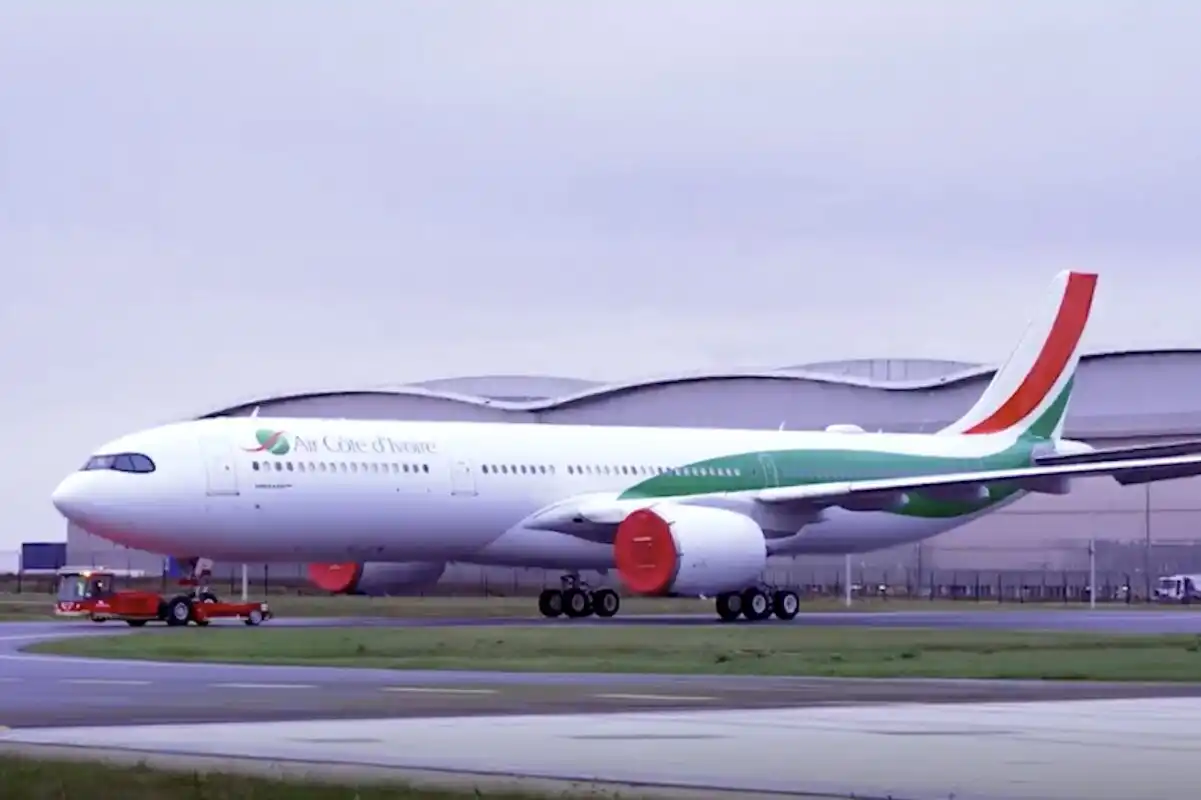
One of the most important developments came in 2025, when Air Côte d’Ivoire began operating its first long-haul service, linking Abidjan with Paris Charles de Gaulle using the Airbus A330-900neo.
The aircraft operates with a relatively premium-focused 242-seat configuration, demonstrating that the airline is willing to enter markets where longer-range operations can support higher-value passenger demand.
Air Côte d’Ivoire does not currently operate transatlantic services to Canada or other destinations in North America. However, the new bilateral agreement changes the regulatory environment in which such a decision would be made.
A future Abidjan-Canada route would still depend on commercial factors such as aircraft availability, passenger demand, operating costs, airport capacity, and connecting traffic. The agreement does not automatically create a new route, but it removes an important regulatory limitation that could otherwise prevent airlines from expanding.
A Strategic Step for Canada and West Africa
Canadian officials have framed the agreement as part of a broader effort to strengthen economic relationships. Transport Minister Steven MacKinnon said the agreement would create new opportunities for people and businesses while supporting economic growth between the two countries.
International Trade Minister Maninder Sidhu also pointed to a 32% increase in bilateral trade over the previous year, arguing that stronger air links could help support additional investment.
The aviation agreement therefore matters for more than passengers. More permitted flights can make it easier for businesses to establish commercial relationships, transport personnel, move cargo, and develop tourism connections.
For Canada, the deal also expands an already substantial international aviation network. The country’s air transport agreements now cover 125 nations, giving Canadian airlines broad access to international markets.
Why the New Rights Matter for Future Transatlantic Routes
The biggest question is whether the additional capacity eventually produces a new nonstop Canada-Côte d’Ivoire passenger route. The answer will depend on airline strategy, but the regulatory foundation is now significantly stronger.
Côte d’Ivoire’s growing economy, expanding airport infrastructure, and increasingly capable national airline create several reasons for optimism. At the same time, Canadian carriers gain additional freedom to examine West African opportunities without being constrained by the previous flight limits.
The agreement is consequently best understood as an expansion of opportunity rather than an immediate route announcement. Doubling weekly passenger rights gives airlines the space to experiment, expand frequencies, introduce new city pairs, and respond to rising demand.
For Côte d’Ivoire, it is another step in the transformation of Abidjan into a more important international aviation hub. For Canada, it strengthens connectivity with one of West Africa’s fastest-developing markets. And for travelers, the most significant result could eventually be the arrival of new nonstop transatlantic options between Canada and Côte d’Ivoire.