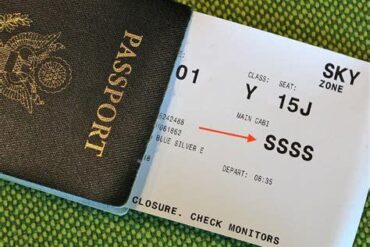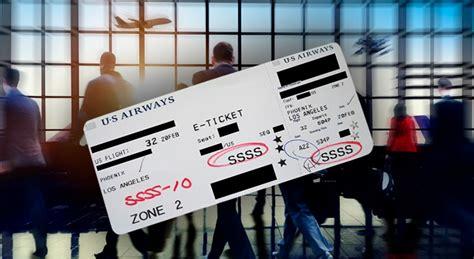
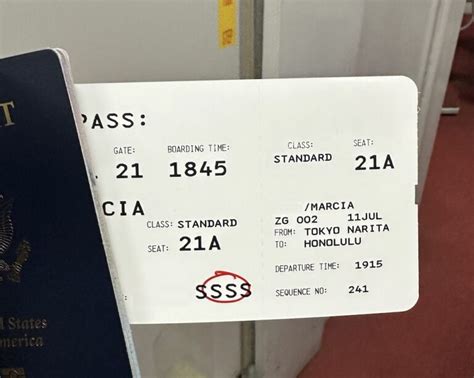
When preparing for air travel, few things evoke a deeper sigh of frustration than spotting the four-letter code SSSS on a boarding pass. Standing for “Secondary Security Screening Selection,” this designation triggers a cascade of security protocols that often result in delays, detentions, and heightened anxiety. While security is a top priority, for many travelers, the experience feels opaque, unfair, and unnecessarily invasive.
Understanding the SSSS Designation: What It Really Means
The SSSS label is part of the Transportation Security Administration’s (TSA) multilayered, intelligence-driven approach to airport screening. Implemented under the Secure Flight program, this code prompts enhanced security measures before a traveler is allowed to board. While often perceived as arbitrary, the process draws on extensive data—your name, gender, date of birth, and itinerary are matched against watchlists, including the No-Fly List maintained by the FBI’s Terrorist Screening Center.
Passengers can be marked for SSSS for a variety of reasons, ranging from random selection to red flags in their travel patterns. Suspicious behaviors, unusual routes, or even a name that closely resembles someone flagged by the Department of Homeland Security (DHS) can land a traveler on this dreaded list.
Triggers That Can Get You Flagged
Although TSA remains tight-lipped about specific criteria, travel experts and frequent flyers have identified several patterns likely to attract additional scrutiny:
- One-way international tickets: Especially if they’re booked last-minute or involve multiple countries with minimal layover times.
- Inconsistent travel history: Jumping across countries, switching carriers often, or making unusual layovers.
- Cash purchases: Buying tickets with large amounts of cash can trigger financial red flags.
- Dual citizenship or multiple passports: This can confuse the database or overlap with suspicious profiles.
- Behavior at the airport: Agitation, refusal to answer questions, or anything perceived as evasive may result in escalation.
It’s not just about what you do—it’s also about who you happen to be confused with. Individuals with names that are common in high-risk regions or match those already flagged may be misidentified, especially in the absence of biometric cross-verification.
What Happens When You’re Chosen for SSSS?
Travelers marked with SSSS won’t breeze through TSA PreCheck. They’re pulled aside at the security checkpoint for a more invasive procedure. This often includes:
- A full pat-down by security personnel
- Thorough inspection of carry-on items, swabs for explosive residues
- Verification of travel documents, often multiple times
- Detailed questioning about your itinerary, travel purpose, or even your luggage contents
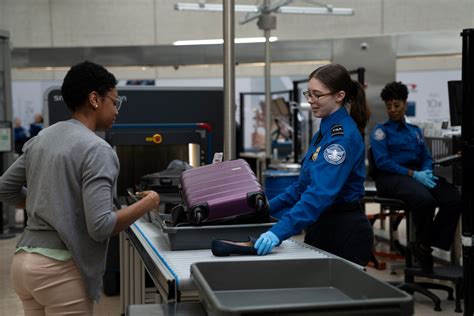
Passengers cannot pass through Known Crewmember (KCM) checkpoints even if they’re crew or have special access. In these cases, enhanced screening is mandatory, and cooperation is essential.
While the process is often completed in about 10–20 minutes, delays can extend if something questionable is discovered, or if there are high passenger volumes.
Real Stories: From Random Hassles to Years of Scrutiny
The impact of an SSSS mark varies widely. Some travelers report a one-time inconvenience, while others have been repeatedly flagged for years. Natalie B. Compton of The Washington Post highlighted several such stories—ranging from those who chalk it up as part of the travel experience, to those who find themselves under continual suspicion for reasons they cannot understand.
In a notable case, a traveler was detained in a back room after bringing a large amount of cash in a box that appeared suspicious on an x-ray scan. Though legal, TSA flagged it for further investigation. As TSA stated:
“Movements of large amounts of cash through the checkpoint may be investigated by law enforcement authorities if criminal activity is suspected…”
Such encounters illustrate how TSA’s discretion, while intended to protect public safety, can be unnerving for innocent passengers.
Why Does TSA Use SSSS? The Broader Security Picture
The TSA screens over 2 million passengers daily, and it must balance efficiency with vigilance. The SSSS system helps separate low-risk travelers from those warranting deeper inspection. It is a key component of the TSA’s layered defense strategy, which includes:
- Behavior detection officers
- Randomized screenings
- Passenger data analysis
- Real-time threat intelligence
This combination of visible and invisible security measures aims to address threats before they materialize, without revealing specific triggers that might allow bad actors to game the system.
How to Handle It: Practical Tips If You’re Selected
If you see SSSS on your boarding pass, the most important thing is to remain calm and cooperative. Arguing or refusing may escalate the situation or result in missing your flight altogether.
Here’s what you can do:
- Arrive early: Budget extra time for check-in and screening.
- Answer questions clearly and respectfully: Avoid sarcasm or defensiveness.
- Keep your documentation in order: Including visas, itineraries, and any travel-related paperwork.
- Know your rights, but be cooperative: TSA agents are allowed to question you and inspect your belongings without probable cause under the current aviation security framework.
Can You Get Off the List? Here’s How the Redress Process Works
If you’re regularly targeted and believe it’s a mistake, you can apply for the DHS Traveler Redress Inquiry Program (TRIP). This is a formal process designed to address issues such as:
- Watchlist misidentifications
- Repeated SSSS flagging without cause
- Delays or detentions at ports of entry
Once you apply, DHS TRIP will investigate your case. If approved, you receive a redress control number, which you can input into future airline bookings. This helps associate your profile with verified information and can significantly reduce or eliminate unnecessary screenings.
However, the process is known to be slow and data-heavy. Applicants must provide detailed travel histories, identification documents, and personal information. Some travelers have reported waiting months before receiving a final decision.
The TSA’s Expanding Role and Infrastructure
Since its inception post-9/11, the TSA has evolved into a sprawling agency with more than 50,000 officers, managing security across 440 federalized airports. With over 750 million passengers screened annually, the scope of their task is immense.
The agency’s capabilities include:
- 5.5 million carry-ons and 1.4 million checked bags inspected daily
- Over 950 full-body scanners in use across US airports
- Discovery of over 4,400 firearms annually
- Conducting 29,000+ assessments to improve training and operational efficiency
From liquid bans to biometric photo-ID scanners, TSA protocols continue to evolve with the global threat landscape.
SSSS and Your Rights: Constitutional Boundaries
Though TSA operates under expansive authority, it is not beyond the Constitution. Travelers retain Fourth Amendment rights against unreasonable searches, although courts have largely supported broader airport security powers. The Fifth Amendment protects passengers from self-incrimination during questioning.
However, at checkpoints, these rights can appear murky. Refusing to cooperate may prevent you from boarding, and declining secondary screening generally ends your travel day. Still, individuals who feel harassed or profiled can file formal complaints with DHS or civil liberties organizations.
Final Thought: What SSSS Reveals About Air Travel Today
In many ways, the SSSS designation is a microcosm of modern air travel—a delicate balance between personal freedom and collective safety. For some, it’s a minor inconvenience; for others, a humiliating or distressing ordeal. The lack of transparency adds to the mystique and anxiety, but at its core, the system is designed to reduce risk.
The key takeaway? If you’re tagged with SSSS, don’t panic. Know the system, follow procedures, and if necessary, take steps to correct errors via redress. While the process may seem impersonal, the outcome doesn’t have to define your travel experience.
Security may be a shared responsibility, but clarity and dignity should remain part of the journey.