JetBlue Airways is preparing to introduce significant changes to how its cabin crews manage the descent phase of flight after reviewing internal turbulence-related safety data. The move places the New York-based carrier alongside a growing number of airlines that are reevaluating operational procedures to better protect flight attendants from unexpected turbulence, particularly during approach and landing.
While the airline has not publicly disclosed every detail of the revised procedures, internal communications indicate that the changes are designed to secure the cabin earlier and reduce the amount of time crewmembers spend standing during one of the most injury-prone phases of a flight. The decision reflects a broader industry trend driven by years of safety data showing that cabin crew members face a disproportionately high risk of turbulence-related injuries.
JetBlue Confirms Safety-Driven Changes to Descent Operations
JetBlue has confirmed that updated descent procedures will take effect as part of an initiative focused on crew safety. According to information circulated internally, the airline reviewed operational data and identified opportunities to improve how the cabin is prepared before arrival. The primary objective is to ensure that both passengers and crew are secured earlier, minimizing exposure to sudden turbulence that can occur with little warning.
The airline’s communication emphasized safety benefits rather than operational specifics. Nevertheless, aviation observers noted that the changes are intended to move critical cabin preparation tasks forward in the descent sequence. This approach could allow flight attendants to complete required duties and occupy their jumpseats sooner than under current procedures.
An internal memo reportedly stated that, beginning June 3, initial and final descent procedures would be merged into a single process simply called “descent.” The revised workflow is intended to help inflight crewmembers complete responsibilities earlier and ensure that the cabin is fully secured before sterile cockpit procedures begin.
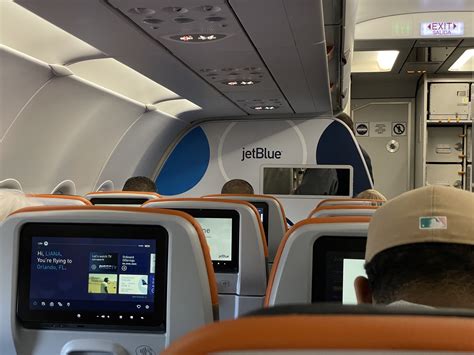
The consolidation of multiple tasks into one coordinated event suggests a broader effort to streamline cabin operations while maintaining regulatory compliance and passenger safety standards. By reducing procedural complexity, airlines can potentially decrease the amount of time flight attendants spend moving through the cabin during periods when turbulence is more likely to occur.
Why Descent Has Become a Key Focus for Airlines
Although turbulence-related injuries remain relatively uncommon across commercial aviation, the distribution of those injuries tells a very different story. Flight attendants consistently account for the majority of serious cases because their duties require them to remain active while passengers are often seated with seatbelts fastened.
Federal Aviation Administration statistics reveal that between 2009 and 2024, cabin crew members accounted for 166 of 207 serious turbulence-related injuries. Those figures underscore the unique occupational hazards faced by flight attendants, who routinely perform safety checks, collect service items, and secure equipment while aircraft transition through changing atmospheric conditions.
Industry research has repeatedly identified descent as one of the most vulnerable phases of flight. During this period, aircraft pass through multiple weather layers and air masses, increasing the possibility of unexpected turbulence. At the same time, cabin crews are often engaged in final preparations for landing, creating a combination of factors that elevates injury risk.
The challenge is particularly significant below 20,000 feet, where studies indicate a substantial percentage of turbulence injuries occur. Because cabin crews are frequently standing during this stage, even brief encounters with severe turbulence can result in serious injuries.
What Passengers May Notice Under the New Procedures
Although JetBlue has not released a detailed operational breakdown, passengers may observe several practical changes once the new procedures are implemented.
The most noticeable difference could be that cabin preparation for landing begins earlier than before. Flight attendants may collect service items sooner, secure galley equipment earlier, and conduct final safety checks with additional time remaining before arrival. Passengers could also be asked to stow tray tables, organize personal belongings, and return seats to their upright positions earlier in the descent.
These adjustments are not expected to alter the overall passenger experience dramatically, but they may slightly reduce the period during which travelers can move freely around the cabin. The goal is to create a larger safety buffer that allows crews to complete their duties and take their assigned seats before the aircraft reaches lower altitudes.
For frequent travelers, the revised process may feel similar to procedures already introduced by other major carriers. Across the industry, airlines are increasingly prioritizing earlier cabin securement as a practical method of reducing exposure to turbulence-related hazards.
Industry-Wide Momentum Behind Earlier Cabin Securement
JetBlue’s decision follows similar initiatives elsewhere in the aviation sector. Airlines have become increasingly focused on mitigating turbulence risks through procedural changes rather than relying solely on weather forecasting and pilot reports.
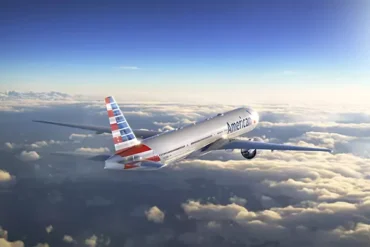
American Airlines recently announced adjustments designed to secure cabins earlier during descent after examining injury trends and operational data. Such initiatives reflect a growing recognition that procedural timing can play an important role in protecting cabin crews.
The National Transportation Safety Board has long highlighted the relationship between cabin preparation activities and turbulence injuries. Investigations have repeatedly found that flight attendants are most vulnerable when performing duties that require standing, walking, or handling equipment during approach and landing.
Research cited by safety experts indicates that flight attendants account for nearly 80 percent of serious turbulence injuries recorded in commercial airline operations. Those findings have encouraged carriers to examine whether routine workflows can be modified to reduce risk without affecting service quality or operational efficiency.
Turbulence Safety Continues to Shape Airline Procedures
JetBlue’s forthcoming descent procedure overhaul illustrates how airlines are increasingly using operational data to refine safety practices. Rather than waiting for incidents to occur, carriers are proactively identifying opportunities to reduce exposure to known risks.
The airline’s decision also highlights the evolving understanding of turbulence management across the aviation industry. While modern aircraft remain exceptionally safe and pilots have access to increasingly sophisticated weather tools, unexpected turbulence continues to present challenges that cannot always be avoided.
By securing cabins earlier and simplifying descent-related workflows, JetBlue aims to provide an additional layer of protection for the employees most frequently exposed to turbulence hazards. As more airlines analyze injury data and operational trends, similar procedural adjustments are likely to become an increasingly common feature of commercial aviation, reshaping how cabin crews prepare for landing while enhancing safety throughout the final stages of flight.