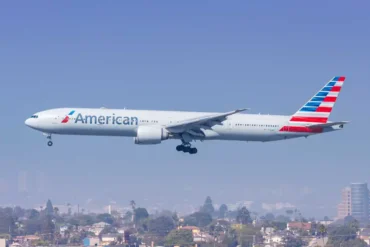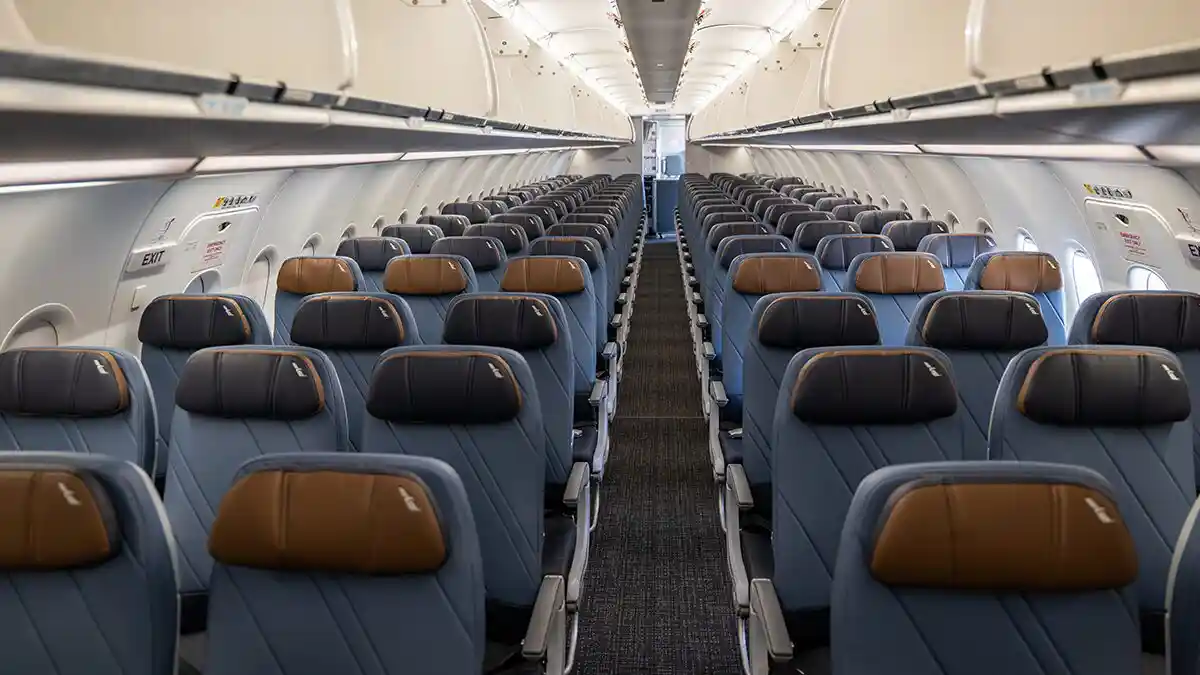
American Airlines is rapidly advancing a major fleet modernization program that is reshaping the onboard experience across dozens of its legacy Airbus narrowbody aircraft. As the carrier confirms that all eligible Airbus A319s and A320s will receive its newest cabin design, the first retrofitted A320 has now entered passenger service, marking a significant milestone in the airline’s long-term strategy to standardize interiors, expand premium seating, and improve operational efficiency.
The latest development comes as American Airlines nears completion of the retrofit program for its subfleet of newer Airbus A319 aircraft. More than 70 percent of these jets have already undergone extensive cabin transformations, replacing their aging interiors with a layout inspired by the airline’s newest Airbus A321XLR and Boeing 787-9 Dreamliner cabins.
American Airlines Pushes Ahead With Fleetwide Interior Standardization
The retrofit initiative represents one of the most visible investments American Airlines has made in its narrowbody fleet in recent years. The Fort Worth-based carrier has been working to create a more unified passenger experience across its domestic and international operations, ensuring travelers encounter similar cabin features regardless of aircraft type.
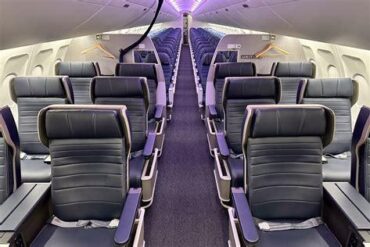
Unlike earlier expectations that these aircraft would receive the airline’s Oasis cabin configuration, the final design reflects a more premium-focused approach. The updated interiors incorporate larger overhead storage bins, modern seating, additional power options, and an expanded premium cabin section designed to accommodate growing demand for higher-yield passengers.
The project specifically targets a group of 32 relatively young Airbus A319 aircraft delivered between 2013 and 2015. These aircraft stand apart from the rest of American’s A319 fleet because they are equipped with sharklets and entered service years after many of the carrier’s older narrowbody aircraft.
Although retrofit plans were initially expected to begin much earlier, delays in selecting and finalizing a prototype aircraft pushed the schedule back significantly. The first completed example ultimately emerged only after months of modification work.
Seatback Screens Disappear Despite Premium Cabin Enhancements
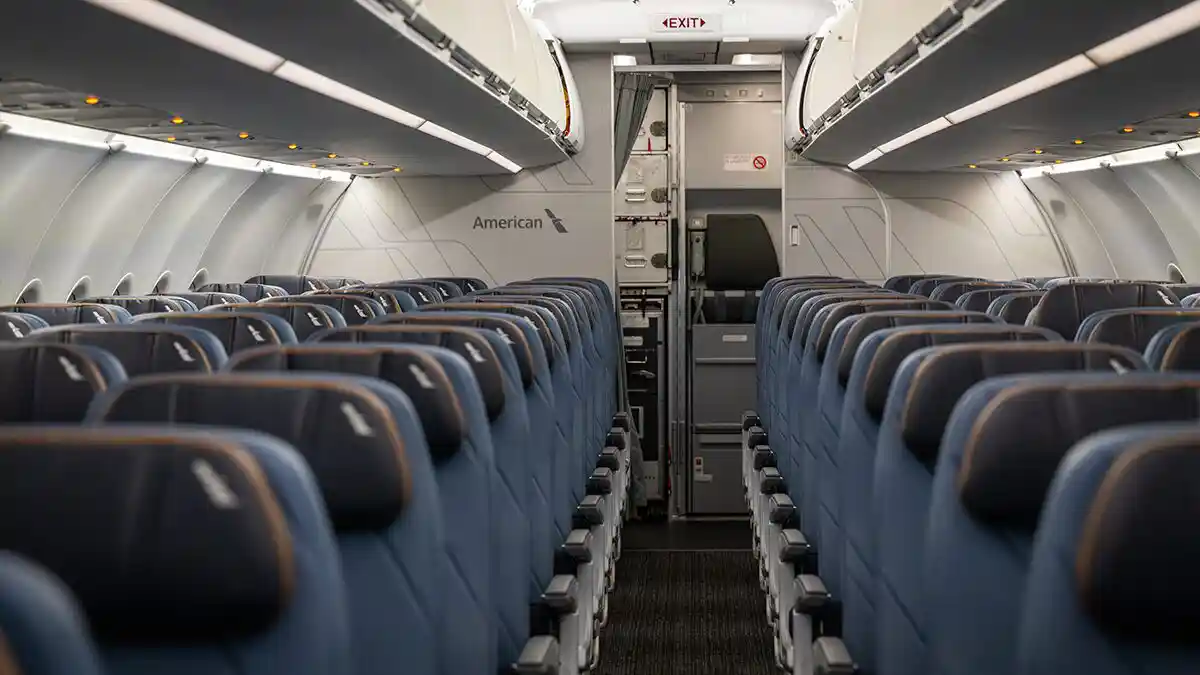
One of the most notable aspects of the refurbishment program is the removal of seatback entertainment screens. While American Airlines has introduced advanced cabin products on its newest long-haul aircraft, including large seatback displays, the retrofitted A319 fleet is taking a different direction.
The airline has instead focused on modern connectivity and device-friendly amenities. Passengers can expect power outlets throughout the cabin, allowing them to stream content directly on personal devices rather than relying on built-in entertainment systems.
The decision reflects a broader trend among North American carriers, many of which have shifted toward wireless entertainment platforms as passengers increasingly travel with smartphones, tablets, and laptops. Removing seatback screens also reduces aircraft weight, lowers maintenance requirements, and simplifies cabin systems.
Despite eliminating screens, the updated interiors introduce several passenger-focused improvements. First Class seating capacity has increased from eight seats to twelve, providing additional premium inventory on routes where demand continues to rise.
Aircraft N9002U became the prototype for the transformation program after spending approximately five months undergoing modifications in El Salvador. Since its return to service, retrofit activity has accelerated considerably, with 23 of the 32 aircraft reportedly completed within only a few months.
First Retrofitted Airbus A320 Quietly Enters Service
While much attention has centered on the A319 fleet, American Airlines has simultaneously begun work on its Airbus A320 aircraft.
The first completed example, registered as N107US, recently returned to commercial operations after receiving the same design philosophy introduced on the upgraded A319s. The aircraft now features a substantially revised cabin layout that places a stronger emphasis on premium seating while preserving total passenger capacity.
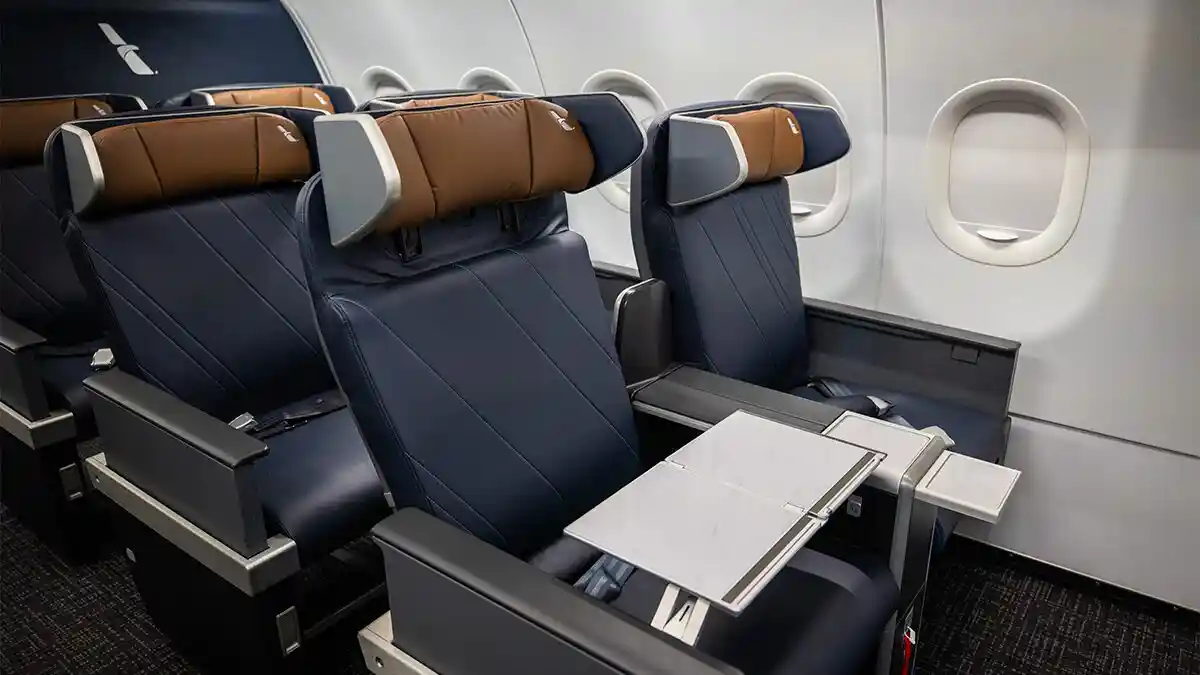
One of the most significant changes involves the First Class section, which expands from twelve seats to sixteen. This increase allows American to generate additional premium revenue while offering more upgrade opportunities to frequent flyers and corporate travelers.
Reports indicate the aircraft also includes a dramatic increase in Main Cabin Extra seating. These extra-legroom seats command higher fares and have become increasingly important to airline profitability. According to details circulating among aviation observers, the number of Main Cabin Extra seats has risen from eighteen to thirty-three.
Maintaining the aircraft’s overall capacity of 150 passengers required creative cabin reconfiguration. Industry observers report that several seats were removed and space was repurposed to accommodate additional premium features, including a storage closet positioned behind the First Class cabin.
Premium Growth Remains Central To American’s Strategy
The Airbus retrofit program aligns closely with American Airlines’ broader business objectives. Throughout recent years, airlines worldwide have increasingly prioritized premium products, recognizing that higher-paying passengers contribute disproportionately to profitability.
American has repeatedly emphasized its intention to expand premium seating across both existing aircraft and newly delivered jets. The airline believes customers are willing to pay more for additional comfort, preferred seating locations, priority services, and enhanced travel experiences.
The upgraded Airbus cabins therefore represent more than a cosmetic refresh. They are part of a carefully planned revenue strategy designed to maximize returns from each aircraft while creating greater consistency across the network.
Executives have highlighted benefits such as increased carry-on storage capacity, convenient charging options, and a more modern cabin environment. These improvements help narrow the gap between older aircraft and the airline’s newest fleet additions.
Retrofits Signal Long-Term Commitment To Aging Airbus Fleet
Perhaps the most important message behind the modernization effort is what it reveals about American Airlines’ fleet plans. Significant investment in cabin upgrades strongly suggests the carrier intends to keep these aircraft flying for many more years.
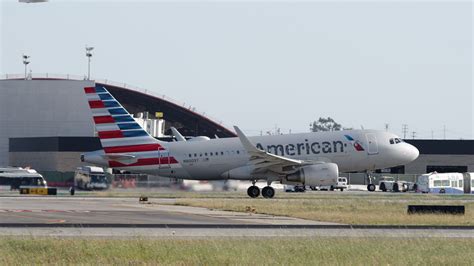
American currently operates 132 Airbus A319 aircraft with an average age exceeding two decades. The airline’s 48 Airbus A320s are even older, averaging more than twenty-five years in service. Many of these aircraft originated with US Airways and America West Airlines before those carriers merged into the modern American Airlines network.
Previous industry projections suggested portions of these fleets could begin retirement as early as the second half of the decade. However, updated forecasts now indicate that many aircraft are likely to remain active until at least 2030 and potentially beyond.
By investing in new cabins rather than preparing aircraft for retirement, American is effectively extending the operational relevance of these Airbus jets. The strategy allows the airline to modernize the passenger experience without committing to the enormous expense of immediate fleet replacement.
As more retrofitted A319s and A320s enter service throughout the year, passengers will increasingly encounter cabins that mirror the design language of American Airlines’ newest aircraft. The result is a more consistent onboard experience, stronger premium offerings, and a clear indication that these Airbus workhorses remain an essential part of the carrier’s future.