A hotel stay promises comfort, convenience, and a clean space to unwind after a long day of travel. Yet behind that spotless room is a group of workers whose effort often goes unseen: hotel housekeepers. Their work happens quietly while guests are away, transforming used rooms into fresh, welcoming spaces again and again. Because guests rarely interact directly with housekeeping staff, many travelers find themselves wondering about a surprisingly complicated question: should you tip hotel housekeeping at all?
The question sparks debate among frequent travelers, hospitality workers, and everyday vacationers. Some people feel strongly that tipping housekeeping is the right thing to do, while others argue that cleaning the room is simply part of what guests already pay for when booking a hotel. Cultural differences, local labor practices, and the rising discussion around tipping culture have all added layers to the conversation.
Understanding both perspectives helps travelers make informed decisions that feel fair and respectful. Whether you’re staying one night in a budget hotel or spending a week at a luxury resort, knowing what’s customary—and why—can remove the awkwardness and help you navigate the etiquette with confidence.
Why Many Travelers Choose to Tip Hotel Housekeeping
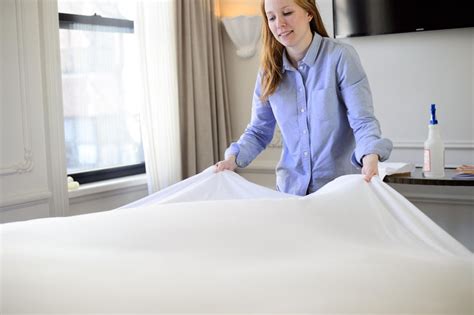
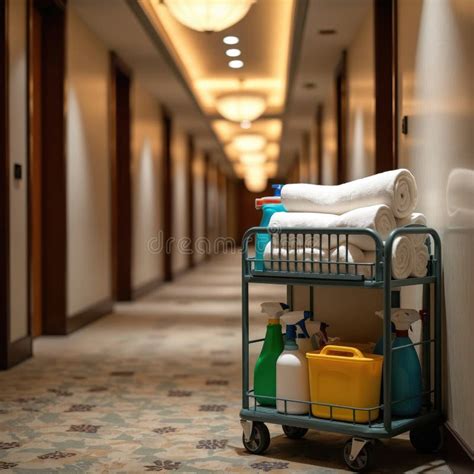
Housekeepers are among the most physically demanding roles in the hospitality industry. On a typical shift, a housekeeper may clean anywhere from 10 to 20 rooms depending on the property, each requiring tasks like changing bedding, scrubbing bathrooms, vacuuming floors, restocking amenities, and ensuring the room meets hotel cleanliness standards.
This work is repetitive, physically intense, and often time-pressured. A single room might look simple to tidy, but the reality involves lifting mattresses, bending repeatedly, dealing with spills, and occasionally cleaning situations guests would rather not think about. Housekeepers must do all this quickly while maintaining consistency across dozens of rooms.
Because of these factors, many travelers see tipping housekeeping as a small but meaningful way to recognize hard work that otherwise goes unnoticed. Unlike concierges, bartenders, or bellhops, housekeepers rarely interact directly with guests. As a result, they can easily be overlooked in the broader tipping culture.
In many hotels—particularly in the United States—housekeeping wages are modest compared to other hospitality roles. For workers who rely on hourly pay, even small tips can make a noticeable difference over time. A few dollars left by a guest can accumulate across multiple rooms, helping supplement income in a job that often offers limited financial flexibility.
Beyond the financial aspect, tipping can also serve as a simple gesture of appreciation. Cleaning up after strangers is not glamorous work, and a brief thank-you note with a small tip signals that someone noticed the effort involved.
The Case Against Tipping Housekeeping
Despite the arguments in favor, a large number of travelers believe tipping hotel housekeeping should not be necessary. Their reasoning typically centers on the idea that cleaning the room is already included in the price of the stay.
When guests book a hotel, they expect a clean room upon arrival. From this perspective, housekeeping is simply fulfilling the core service of the hotel. Just as guests do not tip airline mechanics for maintaining aircraft or grocery store employees for stocking shelves, some argue that hotel guests should not feel responsible for supplementing employee wages.
Another factor driving opposition is frustration with tipping culture in general. In certain countries—especially the United States—tipping expectations have expanded dramatically over the years. Many travelers feel overwhelmed by the growing list of situations where gratuities are suggested or implied.
Critics also argue that tipping allows companies to shift responsibility for fair wages onto customers. Instead of increasing base pay for workers, employers may rely on guests’ generosity to close the gap. From this viewpoint, refusing to tip becomes a small protest against a system that places the burden of compensation on consumers.
The debate intensified after the pandemic, when many hotels reduced or eliminated daily housekeeping services as a cost-cutting measure. Guests paying full rates while receiving less frequent cleaning began questioning why tipping expectations remained when services had changed.
The Reality of Tipping Culture in Hotels
Regardless of where someone stands in the debate, the reality is that tipping hotel housekeeping exists in a gray area of etiquette. Unlike tipping restaurant servers, it is not universally expected.
Studies and anecdotal reports suggest that only a minority of hotel guests tip housekeeping. One widely cited estimate indicates roughly 30 percent of travelers leave a tip, meaning most guests still do not. This statistic highlights how inconsistent the practice remains.
For housekeepers themselves, this inconsistency can be frustrating. Some days they may receive multiple tips from appreciative guests, while on other days they might clean an entire floor without receiving anything extra. Even a small tip of two or three dollars can stand out precisely because it is relatively uncommon.
Hotels have experimented with subtle ways to encourage tipping without making guests feel pressured. In past years, some properties placed envelopes in rooms labeled for housekeeping tips. Others leave small cards signed by the person who cleaned the room, gently reminding guests that a real individual was responsible for the service.
These efforts reveal the delicate balance hotels try to maintain: acknowledging workers while avoiding the appearance of aggressively soliciting gratuities.
How Much Should You Tip Hotel Housekeeping?
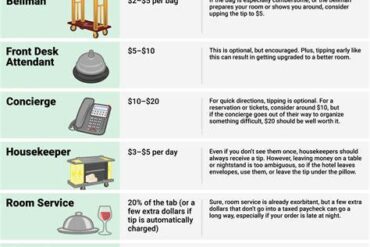
For travelers who choose to tip, guidelines exist to help determine an appropriate amount. The American Hotel & Lodging Association recommends leaving between $1 and $5 per night for housekeeping staff.
Where a guest falls within that range usually depends on several factors, including the type of hotel, the length of the stay, and the condition of the room.
A few general patterns have emerged among frequent travelers:
- $1–$2 per night is common in budget or mid-range hotels.
- $3–$5 per night is typical in full-service or upscale properties.
- $5 or more per night is often given at luxury hotels or resorts.
Some guests also adjust the amount based on circumstances. If the room required extra cleaning, if additional towels or amenities were requested, or if the stay involved multiple people sharing the room, travelers sometimes increase the tip slightly.
Another factor to consider is how often housekeeping enters the room. In many hotels today, daily service is optional or limited unless requested. If the room is cleaned only once during a multi-day stay, some guests choose to leave a slightly larger tip at checkout.
Ultimately, there is no rigid rule. Tipping remains a personal decision shaped by travel habits, budget, and individual values.
Why Nightly Tipping Is Often Recommended
One important detail many travelers overlook is that the same housekeeper may not clean the room every day. Hotels typically rotate staff across floors or shifts, meaning different employees could handle the same room throughout a guest’s stay.
Because of this, hospitality experts usually recommend leaving a tip each night rather than one lump sum at the end of the stay. Nightly tipping ensures the person who actually cleaned the room that day receives the gratuity.
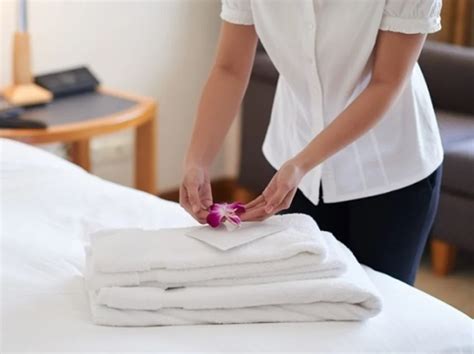
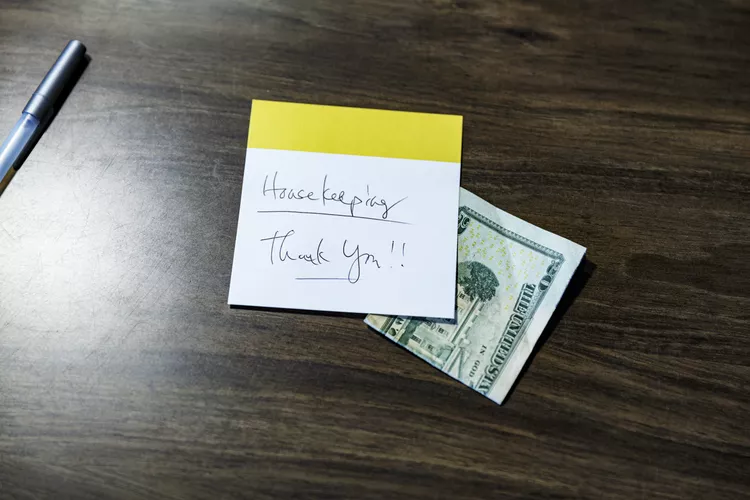
Leaving the tip somewhere visible—such as on the pillow, bedside table, or desk—helps avoid confusion. Housekeepers may hesitate to pick up loose cash if they are unsure whether it was intentionally left for them.
Many guests place the money beside a short handwritten note that says “Thank you” or “For housekeeping.” The note removes ambiguity and adds a personal touch that workers often appreciate.
Situations Where Tipping May Matter More
Certain scenarios make tipping housekeeping particularly thoughtful. Travelers staying multiple nights, families sharing a room, or guests who requested additional services often leave tips because the workload increases significantly in those cases.
Large groups or guests traveling with children can unintentionally create extra work. More towels, more bedding changes, and more trash mean the room takes longer to clean. A small tip acknowledges that additional effort.
Similarly, guests who accidentally leave behind clutter, sand from beach trips, or muddy shoes may feel inclined to tip as a gesture of courtesy.
Luxury hotels sometimes elevate the expectation slightly as well. In high-end properties where service is highly personalized, tipping tends to be more common simply because guests expect a higher level of hospitality overall.

International Differences in Housekeeping Tipping
Travelers who move frequently between countries quickly notice that tipping expectations vary widely around the world. In some places, tipping housekeeping is routine; in others, it is almost unheard of.
In the United States and Canada, tipping is part of the broader service culture, so leaving a small gratuity is generally appreciated and relatively common among frequent travelers. Hotels in these countries often rely on tips to supplement wages.
In much of Europe, wages for hospitality workers tend to be higher and service charges are sometimes built into pricing. Tipping housekeeping there is less common, though still welcomed if offered.
In countries such as Japan or South Korea, tipping can even feel culturally awkward because excellent service is expected without additional payment. In these locations, leaving money might confuse staff rather than help them.
Because customs differ so widely, travelers often adopt a flexible approach: tipping where it aligns with local norms and skipping it where it does not.
The Small Gesture That Makes a Big Impression
While the debate around tipping culture continues, one fact remains clear: hotel housekeepers perform demanding work that keeps the hospitality industry running smoothly. Every neatly made bed, freshly sanitized bathroom, and replenished set of towels represents time and effort that often goes unnoticed.
For guests who choose to tip, the amount does not have to be large to matter. Even a few dollars paired with a short note of appreciation can brighten someone’s day and acknowledge work that typically happens behind the scenes.
At the same time, travelers who decide not to tip are not violating a strict rule. Unlike restaurant gratuities, housekeeping tips remain optional and unevenly practiced.
Understanding the reasoning on both sides allows travelers to make thoughtful decisions that match their values and the local culture. Whether you leave a few dollars on the nightstand or simply keep the room tidy during your stay, the important thing is recognizing the people whose quiet work helps turn a hotel room into a welcoming place to rest.