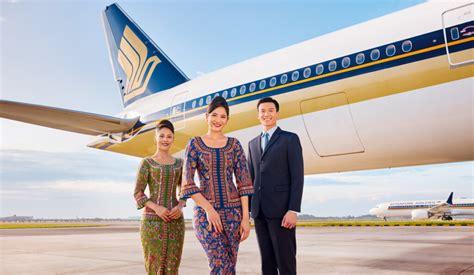
Singapore Airlines is widely regarded as one of the finest airlines ever built. Its premium cabins consistently rank among the best in the world, its operational reliability is admired across the industry, and its financial discipline has long been viewed as a benchmark for airline management. Yet beneath that reputation lies a far less flattering story—one that has unfolded quietly over more than two decades.
While Singapore Airlines has mastered the complex business of running an airline, its record as an investor in other airlines tells a remarkably different tale. Again and again, the carrier has committed capital to strategically attractive partners, only to watch those investments deteriorate, collapse, or generate losses that overwhelmed the original business logic.
The contrast is striking. Many airlines struggle to operate profitably but occasionally make smart investments. Singapore Airlines appears to have achieved the opposite outcome. It excels at flying aircraft, managing networks, and delivering customer service, yet repeatedly finds itself trapped in costly equity partnerships that fail to deliver the expected returns.
The question is no longer whether some of these investments underperformed. The question is whether Singapore Airlines has developed a recurring blind spot when it comes to airline ownership.
After more than twenty-five years of disappointing outcomes, the evidence has become difficult to ignore.
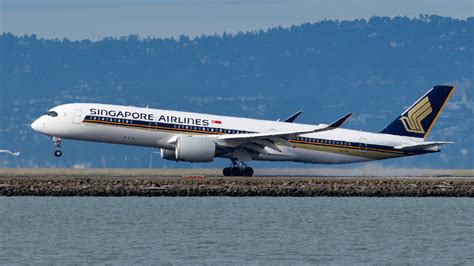
A Pattern Hidden Behind a Strong Airline Brand
The airline industry has never been kind to investors. Carriers operate in an environment shaped by volatile fuel prices, regulatory intervention, economic cycles, labor disputes, geopolitical shocks, and razor-thin margins. Even successful airlines can quickly become financial burdens when circumstances change.
Many airline executives have nevertheless been tempted by the idea of strategic ownership. The theory appears straightforward. By purchasing stakes in foreign airlines, a carrier can gain access to important markets, strengthen network connectivity, create feeder traffic, and expand influence without undertaking a full merger.
In practice, however, minority ownership often creates a dangerous middle ground. Investors assume financial risk without gaining sufficient authority to control strategic decisions.
Singapore Airlines has repeatedly embraced precisely this model.
Unlike Etihad Airways, whose investment strategy exploded spectacularly within a relatively short period, Singapore Airlines pursued a slower and more measured approach. The investments were often carefully justified. Each appeared to address a genuine strategic objective. Yet despite the different circumstances surrounding each deal, the outcomes frequently followed a familiar script.
An airline in an attractive market receives investment. Operational challenges emerge. External factors worsen conditions. Singapore Airlines lacks sufficient control to influence events. Losses accumulate. Eventually the investment is written down, restructured, sold, or abandoned.
What makes the situation particularly notable is that the pattern spans different continents, business models, and economic cycles.
The consistency is difficult to dismiss as simple bad luck.
Why Etihad’s Failures Matter In This Discussion
Any examination of airline investment disasters inevitably includes Etihad Airways.
During the 2010s, the Abu Dhabi-based airline launched one of aviation’s most ambitious ownership strategies. Rather than relying exclusively on alliances, Etihad attempted to create a global network through minority stakes in struggling airlines.
The carrier invested heavily in Air Berlin, Alitalia, Virgin Australia, Jet Airways, Darwin Airline, and Air Serbia. Executives envisioned a worldwide aviation ecosystem centered around Abu Dhabi.
The concept generated excitement throughout the industry. Analysts discussed the emergence of a new airline group capable of competing with established global alliances.
Reality proved much harsher.
Air Berlin collapsed into insolvency. Alitalia followed a similar path. Jet Airways eventually failed. Virgin Australia entered administration. Billions of dollars disappeared as Etihad absorbed impairment charges and investment losses.
The strategy became a cautionary tale taught throughout the aviation world.
Yet Etihad eventually recognized the problem. Leadership changed direction, abandoned the equity-alliance model, and returned focus to its own airline operations. The carrier subsequently rebuilt profitability and restored momentum.
Singapore Airlines presents a different case because it never experienced one dramatic collapse of strategy. Instead, it accumulated numerous smaller disappointments spread over decades.
That slower accumulation may actually be more revealing.
The Air New Zealand Investment That Set The Pattern
Singapore Airlines’ first major warning sign emerged at the beginning of the century.
In 2000, the airline acquired a 25 percent stake in Air New Zealand. The investment was designed to strengthen access to Australia and New Zealand while increasing influence in a strategically important aviation region.
At first glance, the transaction appeared sensible. Air New Zealand possessed a respected brand, valuable market presence, and strong regional relevance.
Unfortunately, Air New Zealand was heavily exposed to Ansett Australia, a carrier already facing serious operational and financial difficulties.
When Ansett collapsed in 2001, the consequences were severe. Air New Zealand suddenly found itself under immense pressure as losses mounted and confidence evaporated.
Singapore Airlines discovered an uncomfortable reality. Despite being a significant shareholder, it lacked the ability to dictate the broader response. Political sensitivities surrounding national ownership further complicated matters.
The New Zealand government intervened to rescue the airline, reducing Singapore Airlines’ influence and effectively preventing deeper control.
The original strategic rationale disappeared.
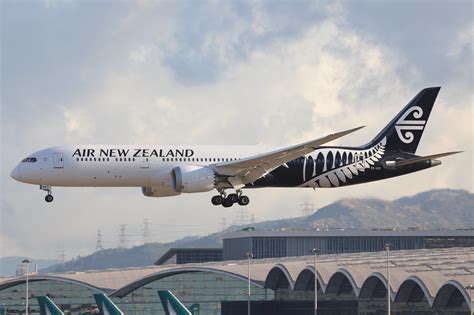
By 2004, Singapore Airlines exited the investment after absorbing substantial losses.
The episode established a template that would later reappear. Strategic logic seemed compelling at the beginning, but limited control ultimately undermined the investment.
Virgin Atlantic: Prestige That Never Paid Off
Few airline brands carried the glamour and recognition of Virgin Atlantic during the late 1990s.
Richard Branson’s airline possessed a strong reputation, premium appeal, and valuable access to London Heathrow Airport. When Singapore Airlines purchased a 49 percent stake in 1999 for approximately $950 million, the move attracted considerable attention.
The investment was viewed as a gateway into the lucrative transatlantic market and one of the world’s most important aviation hubs.
For a period, the partnership appeared promising.
However, the competitive landscape evolved rapidly. Large airline alliances strengthened their positions through immunized joint ventures and coordinated corporate sales strategies. Scale became increasingly important.
Virgin Atlantic found itself competing against groups with broader networks and deeper corporate relationships.
Singapore Airlines remained a major shareholder but lacked operational authority over critical strategic decisions. It could not fundamentally reshape Virgin Atlantic’s competitive position.
As years passed, the expected synergies failed to materialize.
The investment gradually transformed from a strategic opportunity into a financial burden.
When Delta Air Lines acquired the stake in 2013, Singapore Airlines recovered only a fraction of its original purchase price. The resulting loss approached $900 million after accounting for write-downs and associated costs.
The irony is difficult to overlook.
Delta ultimately extracted substantial strategic value from Virgin Atlantic through a successful transatlantic partnership. Singapore Airlines never achieved similar benefits despite holding the stake for more than a decade.
Virgin Australia And The Illusion Of Strategic Necessity
Australia has long been one of Singapore Airlines’ most important international markets. Protecting and expanding influence there seemed entirely rational.
That logic helped drive investment in Virgin Australia.
Initially acquired in 2012 and later expanded, the stake was intended to strengthen competitive positioning against Qantas and Emirates while reinforcing connections between Australia and Asia.
Virgin Australia itself was pursuing an ambitious transformation. The carrier sought to evolve beyond its low-cost origins and challenge Qantas for higher-yield corporate travelers.
Several major aviation investors shared enthusiasm for the plan.
Etihad invested.
Air New Zealand invested.
Singapore Airlines invested.
In hindsight, the concentration of airline investors around Virgin Australia appears almost symbolic of the industry’s recurring optimism.
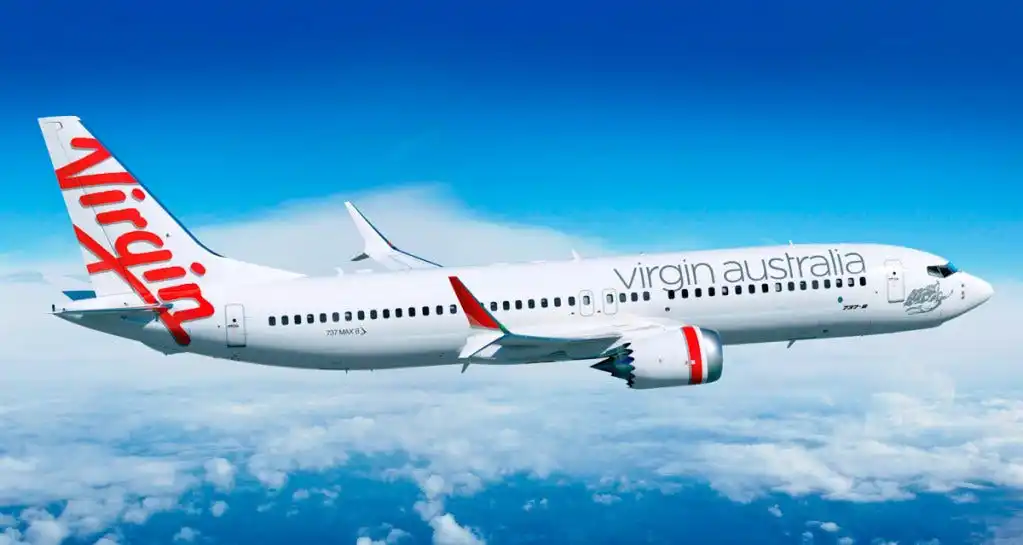
The carrier succeeded in improving its product and attracting business travelers, but profitability remained elusive. Debt levels increased, competition intensified, and financial pressures mounted.
When the pandemic struck, Virgin Australia entered voluntary administration.
The investment once again highlighted the central weakness in Singapore Airlines’ ownership strategy. Strategic alignment alone could not compensate for limited influence over execution and economic fundamentals.
The result was another significant financial impairment.
Tigerair Australia And The Failure Of Low-Cost Expansion
Singapore Airlines also pursued opportunities within the low-cost sector.
Tigerair Australia represented an attempt to establish a meaningful presence in one of the world’s most competitive domestic aviation markets.
The concept appeared attractive. Low-cost travel demand was growing, and Australia seemed capable of supporting multiple budget operators.
Yet execution proved extraordinarily difficult.
Tigerair Australia struggled with regulatory challenges, operational disruptions, pricing pressure, and fierce competition from established rivals. Margins remained weak while profitability consistently failed to meet expectations.
As the years passed, the airline never achieved the scale necessary to create a sustainable competitive advantage.
The situation became increasingly intertwined with Virgin Australia’s broader challenges. When ownership structures shifted and financial conditions deteriorated, Tigerair’s future became even more uncertain.
Eventually the brand disappeared altogether.
For Singapore Airlines, the investment delivered another reminder that entering attractive markets is not the same as creating shareholder value.
Market potential alone rarely guarantees success.
NokScoot And The Brutal Economics Of Long-Haul Budget Flying
The rise of long-haul low-cost aviation generated enormous excitement during the 2010s.
Industry observers predicted a transformation similar to the low-cost revolution that reshaped short-haul travel. Airlines across Asia explored opportunities to capture price-sensitive passengers traveling longer distances.
Singapore Airlines joined that trend through NokScoot, a joint venture involving Thailand’s Nok Air and SIA-owned Scoot.
The concept appeared compelling. Thailand represented one of Asia’s largest tourism markets, and growing demand seemed to support expansion.
Reality proved unforgiving.
Long-haul budget airlines face unique structural challenges. Fuel costs consume a larger share of expenses. Operational disruptions can quickly erase profits. Competitive advantages are difficult to sustain. Margins remain exceptionally thin.
NokScoot struggled to establish a durable position.
The business never generated the resilience necessary to withstand major external shocks.
When the pandemic disrupted international travel in 2020, the carrier’s fragile economics collapsed completely.
Unlike some previous investments, there was no restructuring or strategic turnaround.
NokScoot simply ceased operations.
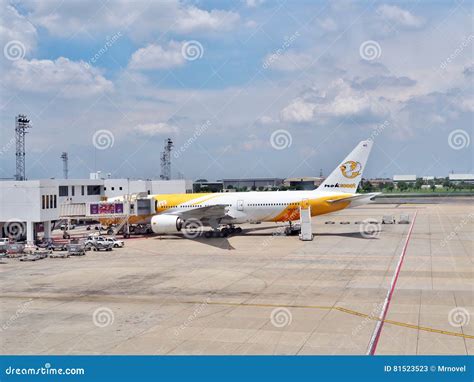
The liquidation added another chapter to Singapore Airlines’ growing collection of unsuccessful overseas ventures.
Air India: The Largest Test Yet
If previous investments were disappointing, Air India may become the defining challenge.
The story began with Vistara, a joint venture between Tata Group and Singapore Airlines. Launched in 2015, Vistara quickly earned praise for service quality, operational standards, and premium positioning.
Many observers considered it one of India’s best airlines.
Unlike earlier investments, this partnership appeared genuinely promising.
Then the situation changed.
After Tata Group acquired Air India, plans emerged to consolidate multiple airline operations into a single entity. Vistara became part of a much larger transformation project centered around Air India.
Suddenly, Singapore Airlines found itself holding a significant stake in one of the most complex airline turnarounds underway anywhere in the world.
The challenges are enormous.
Air India must integrate multiple businesses, modernize operations, standardize service quality, renew fleets, strengthen safety oversight, improve reliability, and compete internationally while rebuilding its reputation.
All of this requires extraordinary levels of capital and execution.
The financial consequences have already been substantial.
Air India reported losses exceeding $2.8 billion during fiscal year 2025-26. Singapore Airlines’ share of those losses amounted to approximately $740 million, contributing significantly to a sharp decline in its own net profit despite record revenue performance.
The numbers are striking because they represent only the beginning of the transformation process.
Why Singapore Airlines Cannot Easily Walk Away
Unlike previous investments, Air India occupies a uniquely important strategic position.
India is not simply another market.
It is one of the fastest-growing aviation sectors on Earth, supported by expanding middle-class demographics, rising disposable income, airport development, and increasing international travel demand.
The long-term opportunity is undeniable.
This creates a dilemma for Singapore Airlines.
Exiting prematurely could mean abandoning one of the most significant growth stories in global aviation. Remaining invested, however, exposes shareholders to potentially years of additional losses.
Management continues to express confidence in the transformation effort, emphasizing India’s extraordinary future potential.
There is logic behind that optimism.
If Air India successfully completes its restructuring and emerges as a powerful global carrier, Singapore Airlines could eventually benefit from a valuable strategic partnership in a market of immense scale.
Yet critics note that similar arguments accompanied many previous investments.
Potential alone has never guaranteed results.
The Real Lesson Behind Decades Of Airline Investments
The most fascinating aspect of Singapore Airlines’ investment history is that it reveals a distinction often overlooked in aviation.
Operating a successful airline and investing in airlines are fundamentally different skills.
Singapore Airlines has repeatedly demonstrated excellence in fleet planning, customer experience, operational management, network development, and financial discipline. Few airlines in modern history can match its reputation.
Yet ownership stakes introduce variables beyond management’s direct control.
Political considerations emerge.
Local market dynamics shift.
Partner priorities evolve.
Regulations change.
Economic shocks occur.
Minority shareholders often discover that influence is far more limited than expected.
Across Air New Zealand, Virgin Atlantic, Virgin Australia, Tigerair Australia, NokScoot, and now Air India, a common theme persists. Singapore Airlines repeatedly identified strategic opportunities but struggled to convert ownership into sustainable value creation.
The issue may not be poor judgment regarding attractive markets. In many cases, the targeted markets were indeed attractive.
The issue appears to be an enduring belief that minority stakes can reliably deliver strategic outcomes without corresponding operational control.
History suggests otherwise.
Will Air India Finally Break The Cycle?
The future of Air India may ultimately determine how history judges Singapore Airlines’ investment record.
If the transformation succeeds, the narrative changes dramatically. Years of losses could be reframed as the cost of securing a foothold in one of the world’s most important aviation markets. Singapore Airlines would gain access to powerful growth opportunities and potentially validate its long-term patience.
If the turnaround struggles, however, Air India risks becoming the largest and most expensive example yet of a pattern stretching back more than a quarter century.
That possibility explains why industry observers are watching closely.
Singapore Airlines remains one of aviation’s most respected operators. Its core business continues to generate admiration throughout the industry. Passengers, competitors, and analysts alike recognize the carrier as a benchmark for excellence.
Yet investment success has consistently proven more elusive.
The paradox is remarkable. A company celebrated for precision, discipline, and operational brilliance has repeatedly encountered disappointment when attempting to extend its influence through airline ownership.
Whether Air India becomes a triumph or another costly lesson will likely define the next chapter of that story.
For now, the evidence points to a fascinating conclusion: Singapore Airlines may be among the world’s greatest airlines, but its long history of overseas investments raises a question that becomes harder to dismiss with each passing year—whether excellence in aviation operations necessarily translates into excellence in aviation investing.