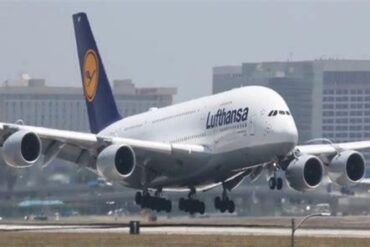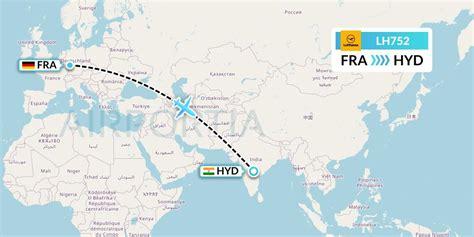
On June 15, 2025, a Hyderabad-bound Lufthansa flight, designated as LH752, experienced a dramatic mid-air emergency that sent ripples through the aviation community worldwide. Departing from Frankfurt at 2:15 PM local time, the Boeing 787-9 Dreamliner was on a routine journey to India when an alarming bomb threat emerged, leading to a swift and decisive response from the airline and aviation authorities alike. This incident not only highlights the vulnerabilities in air travel security but also raises significant questions about the protocols in place to manage threats in an increasingly interconnected digital landscape.
As the aircraft soared over Europe, passengers onboard remained blissfully unaware of the imminent danger. The situation escalated when a credible bomb threat surfaced on social media, prompting Lufthansa to activate its emergency protocols. This decision to turn back was not merely precautionary; it was a calculated response to a threat perceived as serious enough to potentially compromise passenger safety before entering Indian airspace.
Global Alert: The Response to a Mid-Air Crisis
The global aviation alert triggered by this incident was immediate and widespread. Airlines around the world began to monitor their flights closely, wary of potential copycat threats that could lead to further disruptions. As such, the Lufthansa flight’s U-turn became not just an isolated event but a focal point for examining how airlines respond to security threats in real-time.
Upon receiving confirmation of the bomb threat, Lufthansa’s operational team acted with impressive speed and coordination. The flight, which had been expected to arrive in Hyderabad at approximately 6:00 AM IST, reversed course shortly after takeoff. By prioritizing safety, Lufthansa ensured that the aircraft would land safely back in Frankfurt, where emergency services were waiting for its arrival.
Safety First: Protocols in Action
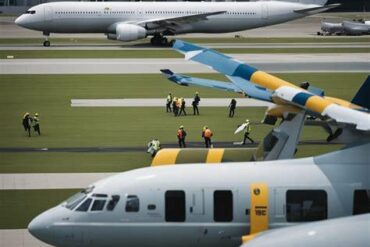
Upon landing, the aircraft was met with a comprehensive security response. Emergency teams, law enforcement officers, and airport security personnel were mobilized to conduct a thorough investigation of the aircraft. Passengers were disembarked and provided with overnight accommodations as authorities carried out their checks. Fortunately, no hazardous materials were found onboard, validating Lufthansa’s commitment to ensuring passenger safety above all else.
This incident has underscored the vital importance of international cooperation in aviation security. Authorities from Rajiv Gandhi International Airport in Hyderabad confirmed that they had been alerted to the bomb threat while the flight was still en route, which absolved them of any immediate responsibility but highlighted the collaborative nature of modern air travel safety management.
The Ripple Effect: Impact on Global Aviation
The emergency U-turn of LH752 had repercussions that extended far beyond a single flight. The unexpected diversion caused significant disruptions throughout Lufthansa’s long-haul network, leading to delays for connecting flights and a domino effect of missed journeys. Frankfurt Airport, already grappling with peak summer travel traffic, faced additional operational strain as it adapted to the unforeseen circumstances.
In a world where air travel is becoming increasingly complex, this incident serves as a stark reminder of how one threat can create a cascade of challenges across multiple airlines and airports. The rising number of travelers in 2025 means that the stakes are higher than ever, making incidents like this not just noteworthy but potentially costly for airlines.
Trust in Turbulent Times: Passenger Considerations
For the traveling public, the emergency response to this bomb threat is a crucial reminder of the industry’s unwavering focus on safety. While such incidents can be disconcerting, they illustrate a well-coordinated system designed to protect passengers. Aviation experts emphasize that credible threats, even those communicated through digital platforms, must be taken seriously and addressed promptly. The swift response from Lufthansa demonstrates the airline’s commitment to passenger safety and operational integrity.
Industry Implications: A New Era of Aviation Security
This incident is not an isolated occurrence. Throughout 2025, airlines have faced several mid-air diversions due to various reasons, from technical failures to security alerts. The pressure to uphold safety standards while managing the implications of potential threats is mounting. As a result, airlines are now reevaluating their monitoring strategies for threats that emerge from digital channels.
The future of aviation safety will likely involve enhanced measures such as real-time monitoring of social media and the integration of artificial intelligence to detect and assess risks more effectively. Moreover, the significance of flexible rebooking policies, comprehensive flight insurance options, and robust airport security coordination has never been more apparent, as these elements work together to maintain passenger trust in the face of uncertainty.
Conclusion: A Call to Action for the Aviation Industry
Lufthansa’s emergency U-turn on June 15 serves as a pivotal moment in the evolving landscape of air travel in 2025. As global travel continues to surge, this incident is not just an anomaly; it reflects the ongoing challenges that airlines must navigate. For aviation stakeholders, it is a call to reinforce existing safety protocols, adapt to new digital threats, and strengthen public confidence in air travel.
For passengers, understanding the layers of vigilance that operate behind the scenes is essential. Each flight represents countless hours of planning, coordination, and precaution to ensure that when wheels leave the ground, safety is the paramount concern. As the aviation industry moves forward, the lessons learned from this incident will undoubtedly shape the future of travel safety for years to come.