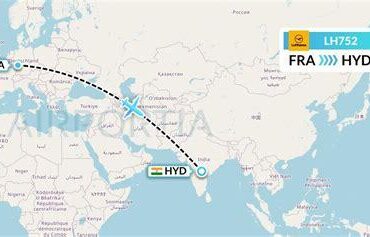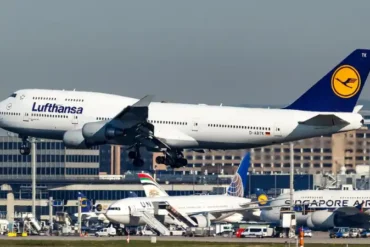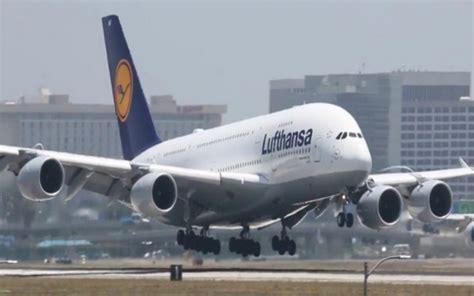
In a deeply unsettling turn of events, Lufthansa Flight LH752, operating on the route from Frankfurt to Hyderabad, was forced to make an abrupt U-turn and return to its point of origin following a bomb threat that surfaced mid-air. The Airbus A340-300, packed with passengers bound for India, became the focus of an international security incident that disrupted travel plans and raised alarm across aviation security networks. The flight, which departed from Frankfurt Airport at approximately 2:14 p.m. local time on Sunday, June 15, 2025, was expected to land at Hyderabad’s Rajiv Gandhi International Airport early the next morning. However, its journey was dramatically cut short as safety protocols took precedence.

The situation escalated while the aircraft was cruising over international airspace, still several hours away from entering Indian airspace. It was at this point that a bomb threat was relayed to the crew, triggering an immediate security response onboard. Lufthansa officials quickly coordinated with air traffic control and homeland security agencies, leading to the decision to deny the aircraft entry into Indian airspace and instruct it to return to Frankfurt. The aircraft, unable to proceed to Hyderabad or land at any alternate destination nearby, turned back, all while maintaining communication with ground authorities to ensure a safe route home.
The tension onboard was palpable, according to reports from passengers who later described the experience as deeply distressing. Crew members, extensively trained for emergencies of this nature, maintained composure and followed protocol with precision. The captain of the flight kept passengers informed without inciting panic, while the cabin crew reassured travelers and prepared them for potential emergency procedures. After circling to burn fuel and ensure a safe landing weight, the aircraft touched down at Frankfurt Airport without incident several hours later.
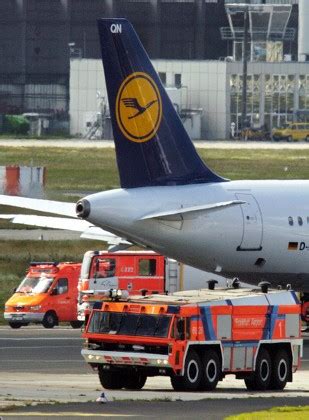
Upon landing, the aircraft was immediately directed to a secure remote stand where emergency services, including bomb disposal units and sniffer dog teams, thoroughly inspected the jetliner. Passengers were safely deplaned and subjected to security checks, while their luggage underwent rigorous screening. Lufthansa’s crisis response team provided assistance and information to the passengers as they processed the ordeal.
What compounded the disruption was the impact on Hyderabad-bound travelers and those awaiting to board LH753, the return flight to Frankfurt. The ripple effects included cascading delays, missed connections, and a significant strain on both airline and airport resources. Passengers stranded in Hyderabad were provided accommodations and rebooking options, though many expressed frustration over the unforeseen delay and lack of clarity in the immediate aftermath.
The Indian aviation authorities confirmed that they acted out of an abundance of caution. Given the potential severity of the situation, the decision to deny landing clearance was made swiftly. “Safety must come first in any such scenario, and while it caused hardship, we believe it was the right call under the circumstances,” an official from Rajiv Gandhi International Airport stated.
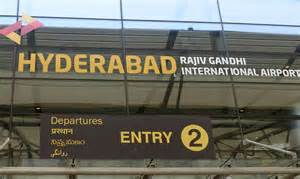
This incident underlines the persistent security challenges facing the aviation industry. Despite extensive measures already in place, threats of this nature continue to test the readiness and resilience of airlines and airports globally. Lufthansa, known for its meticulous safety protocols, reaffirmed its commitment to passenger safety in a statement following the incident. The airline highlighted that its crews routinely undergo training for scenarios such as hijackings, bomb threats, and other airborne emergencies, enabling them to act decisively in the face of such threats.
Although no explosive device was found onboard after exhaustive searches, aviation experts note that every such threat must be treated as credible until proven otherwise. The industry standard mandates such a response, ensuring that no risk is underestimated, particularly in a world where aviation security remains a high-value target for malicious actors.
The Federal Police in Germany, along with intelligence agencies, have since launched an investigation to trace the origin of the bomb threat. Preliminary assessments suggest that the threat could have been made via an anonymous communication channel, but authorities remain tight-lipped as inquiries continue. The incident has drawn the attention of security agencies in both Germany and India, with collaboration expected to identify and apprehend the perpetrator behind the hoax, should it be confirmed as such.
Passengers aboard LH752 have since shared stories of anxiety and gratitude. Many praised the professionalism of the Lufthansa flight crew, crediting their calm demeanor for helping manage fear during the ordeal. One traveler, bound for Hyderabad to attend a family wedding, described how “the crew handled it with grace and kept us updated. It was scary, but we felt they were in control.”
The bomb threat’s wider impact extended beyond individual passengers to the entire operational flow between Frankfurt and Hyderabad. The disruption also affected cargo shipments, given Lufthansa’s role in facilitating freight movement along this important air corridor. Logistics companies and time-sensitive deliveries were caught up in the delays, compounding the economic impact of the incident.

From a regulatory standpoint, this event has reignited debate over whether new protocols are required for handling bomb threats that emerge when aircraft are en route and still far from their destination. Some aviation analysts argue for enhanced satellite communications and AI-powered threat detection systems that could potentially allow for more precise risk assessment mid-flight. Others emphasize the importance of international cooperation and intelligence sharing to preempt such threats before they impact operations.
Meanwhile, Hyderabad airport authorities have stepped up visible security measures. Travelers passing through the terminal in the hours and days following the incident noted an increased presence of armed guards, canine units, and additional layers of screening. “We are leaving nothing to chance,” a spokesperson confirmed. These measures are part of a broader global pattern, as airports react to such events with immediate and visible reassurances of heightened vigilance.
In their official communication, Lufthansa expressed sincere thanks to passengers for their understanding and patience during what was an extraordinarily challenging situation. The airline also acknowledged the swift and coordinated efforts of emergency services, air traffic controllers, and airport authorities in both Frankfurt and Hyderabad. “Our first priority is, and always will be, the safety of our passengers and crew,” the statement concluded.
This bomb threat serves as yet another reminder of the complex risk environment in which modern aviation operates. While no passengers or crew were physically harmed, the psychological toll and logistical upheaval were significant. As investigations continue, the focus remains on uncovering the source of the threat and refining systems to better protect air travelers in the future.
For now, the safe return of LH752 stands as a testament to the efficacy of aviation security protocols and the unwavering dedication of those tasked with ensuring that every flight reaches its destination without harm.