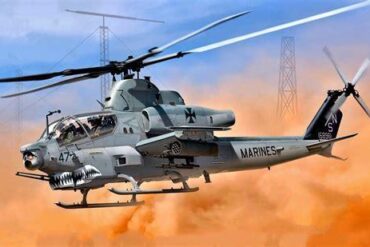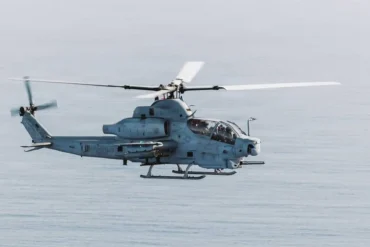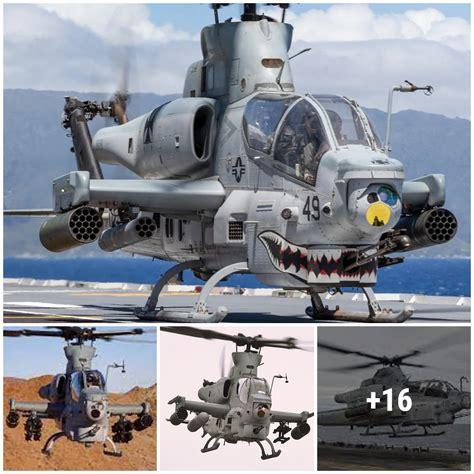
The Bell AH-1Z Viper stands as a formidable icon in the evolution of rotary-wing military aviation. Designed with lethal precision, cutting-edge avionics, and modular survivability systems, the Viper is not merely an upgrade—it is a full-spectrum transformation of the attack helicopter concept. Built upon the proven lineage of the AH-1W SuperCobra and sharing a vast component base with the UH-1Y Venom, the AH-1Z combines legacy advantages with modern warfare capabilities.
Origins of a Warrior: History and Evolution of the AH-1Z
The AH-1Z Viper’s lineage is rooted in decades of innovation. Its inception traces back to the Bell 249 Cobra II demonstrator and UK CobraVenom proposals from the late Cold War era. The pivotal moment came with the H-1 Upgrade Program, initiated in 1996 by the United States Marine Corps, which sought to modernize its aging AH-1W fleet. Bell Helicopter was contracted to remanufacture 180 AH-1Ws and 100 UH-1Ns, replacing outdated systems with new four-blade rotor designs, advanced digital avionics, and robust survivability features.
The Viper’s first flight on December 8, 2000, marked the beginning of a new chapter. With low-rate production starting in 2003 and full-rate production approved in December 2010, the AH-1Z became fully combat-capable by September 2010, culminating in complete replacement of the AH-1W fleet by October 2020.
Engineering Mastery: Design and Structural Enhancements
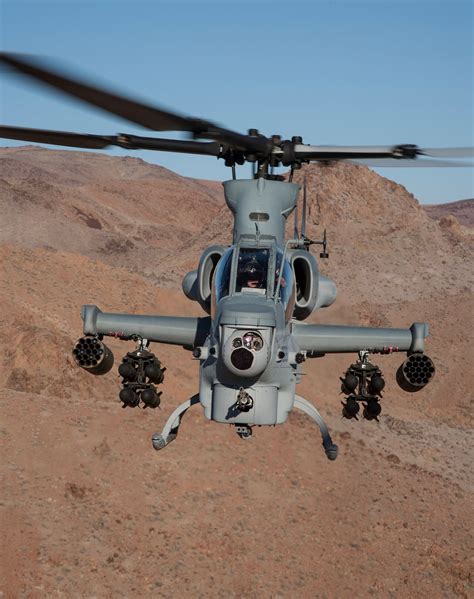
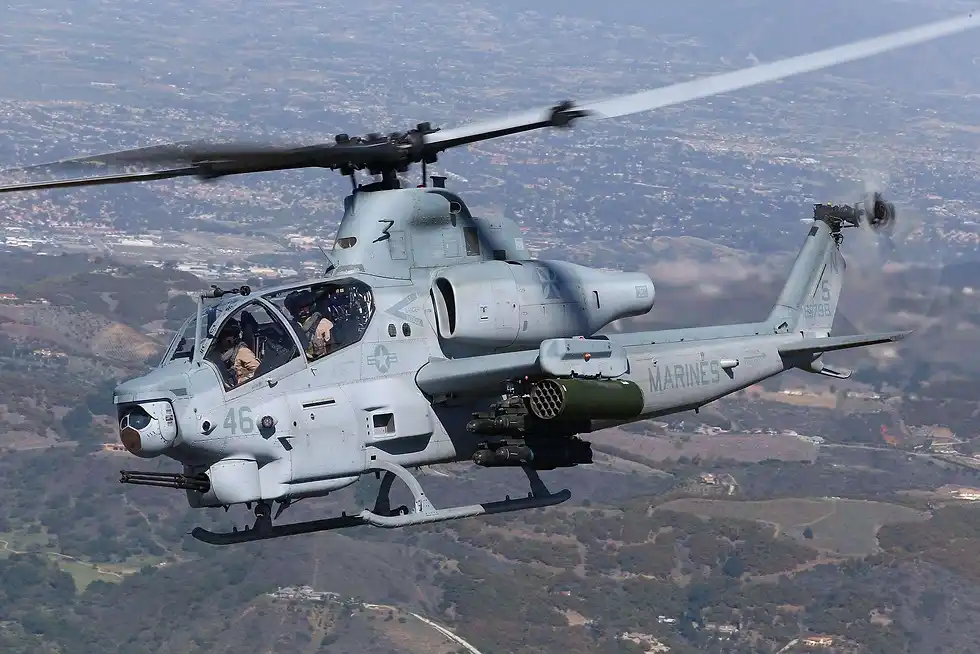
The AH-1Z’s airframe is a marvel of modern combat resilience. Designed with crashworthy landing gear and self-sealing fuel tanks, the Viper ensures operational survivability under hostile conditions. Its fuel vapor inerting systems, energy-attenuating crew seats, and infrared suppressing exhausts (HIRSS) enhance both pilot safety and mission stealth. These attributes, combined with comprehensive countermeasure systems—including laser, radar, and missile warning sensors—make it one of the most survivable attack platforms in active service.
The defining feature of the AH-1Z is its bearingless four-blade composite main rotor system, which drastically reduces vibrations and maintenance costs. This rotor, coupled with extended stub wings, provides six hardpoints for carrying a versatile array of weaponry, from Hellfire and JAGM missiles to Sidewinder air-to-air missiles, Hydra 70 rocket pods, and external fuel tanks. The wings also support the optional AN/APG-78 Longbow radar, enabling enhanced target acquisition and engagement in complex scenarios.
Digital Lethality: Avionics, Fire Control, and Sensor Systems
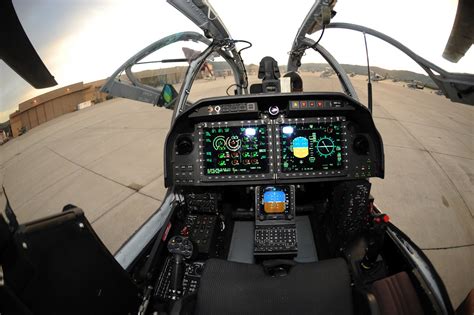
Internally, the AH-1Z is equipped with a fully glass cockpit environment, operated via dual mission computers and multifunction LCD displays. Pilots utilize hands-on collective and stick (HOCAS) systems that eliminate the need for traditional HUDs, streamlining cockpit ergonomics for high-speed engagements. The helicopter supports the Thales Top Owl helmet-mounted display system, offering pilots seamless integration of flight and targeting data directly into their line of sight.
At the heart of its targeting capability is the Lockheed Martin Target Sight System (TSS)—a third-generation FLIR (Forward-Looking Infrared) sensor, offering high-resolution infrared imagery for precision targeting day or night. Integration of Link 16 data exchange and Joint Air-to-Ground Missile (JAGM) capabilities further push the AH-1Z into next-gen interoperability, enabling it to plug seamlessly into joint and allied force structures.
A Relentless Arsenal: Armament and Payload Capabilities
The AH-1Z Viper’s firepower makes it a true battlefield predator. Mounted under the nose, the A/A49E-7 turret system supports a 20 mm M197 three-barrel rotary cannon—highly accurate and effective against ground and low-flying air targets. With up to 16 AGM-114 Hellfire missiles or 8 AGM-179 JAGMs, it delivers long-range precision strikes with devastating effectiveness.
Additional payload options include:
- 76 unguided Hydra 70 rockets or 38 APKWS laser-guided variants, providing flexible area saturation or pinpoint strikes.
- Two AIM-9 Sidewinder missiles, offering self-defense and limited air-to-air capability.
- External fuel tanks or flare/chaff dispensers, for extended mission profiles and enhanced survivability.
Such armament versatility makes the AH-1Z adaptable to a wide range of mission types, from anti-armor support to close air support (CAS) and combat escort duties.
Operational Theatre: Combat Performance and Global Reach
The United States Marine Corps remains the primary operator of the Viper. Following extensive sea trials in 2005 and operational deployment in 2010, the platform has become a cornerstone of the USMC Aviation Combat Element. With force restructuring and modernization under the Force Design 2030 initiative, several airframes have entered strategic storage, while remaining units are receiving Link 16 and JAGM upgrades to maintain frontline dominance.
Beyond U.S. service, the AH-1Z has found international customers. Bahrain ordered 12 units in 2018, with initial deliveries beginning mid-2022. Czechia signed for four helicopters in 2019 and expanded its order in response to increasing regional threats. These international deployments underscore the Viper’s relevance in the global market, though it lost key bids in South Korea (to the AH-64E) and saw a promising deal with Pakistan frozen amid diplomatic tensions.
Nations such as Nigeria, Slovakia, Morocco, Romania, Australia, Poland, Thailand, and the Philippines have either signed MOUs or expressed formal interest, indicating growing recognition of the Viper’s strategic value.
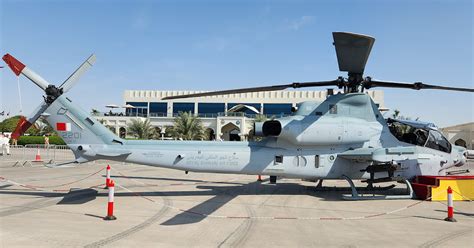
Advanced Specifications: Technical Data of the AH-1Z
The AH-1Z delivers exceptional performance metrics. Its twin GE T700-GE-401C turboshaft engines produce 1,800 shaft horsepower each, supporting agile maneuvering and fast transitions. At a maximum takeoff weight of 18,500 pounds, the helicopter remains responsive thanks to its bearingless rotor system and optimized blade geometry.
Key specifications include:
- Crew: 2 (pilot and co-pilot/gunner)
- Length: 58 ft 3 in
- Height: 14 ft 4 in
- Main Rotor Diameter: 48 ft
- Empty Weight: 12,300 lb
- Maximum Takeoff Weight: 18,500 lb
- Cruise Speed: 160 knots
- Maximum Speed (VNE): 222 knots
- Range: 370 nautical miles
- Combat Radius: 125 nautical miles (with 2,500 lb payload)
- Service Ceiling: 20,000 ft
- Climb Rate: 2,790 ft/min
These figures enable the AH-1Z to perform deep strike missions, rapid response assaults, and mobile fire support in high-intensity environments.
Strategic Implications and Future Outlook
The Bell AH-1Z Viper represents more than battlefield lethality—it embodies the future of expeditionary vertical lift. Its ability to integrate into modern command-and-control architectures and maintain mission readiness across sea and land platforms makes it indispensable to agile force doctrines.
With production winding down and future procurements uncertain beyond existing contracts, the AH-1Z enters a new phase—one where its enduring design and combat versatility will secure continued upgrades and relevance for years to come. The Viper’s legacy is not only defined by its combat record but by its engineering foresight, ensuring it remains a centerpiece of 21st-century close air support and joint operations.