The Guimbal Cabri G2 represents a breakthrough in light helicopter design, engineering, and safety philosophy. Produced by Hélicoptères Guimbal of France, this aircraft was envisioned by Bruno Guimbal, a former Eurocopter engineer who sought to develop a training and utility rotorcraft with technological features typically reserved for larger turbine-powered helicopters. Since its commercial debut in 2008, the Cabri G2 has not only redefined the standard for piston-engine helicopters but also carved a unique position in the global rotorcraft market through an unwavering commitment to safety, innovation, and operational excellence.
Origins and Developmental Vision
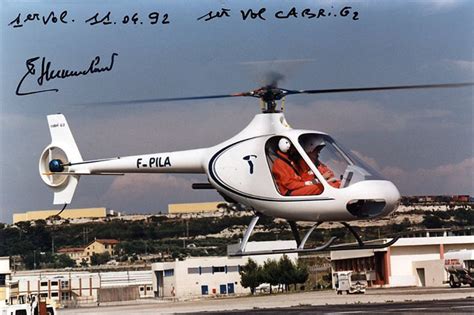
The genesis of the Cabri G2 traces back to the 1980s, during Bruno Guimbal’s tenure at Eurocopter, where he contributed to projects like the AS365 Dauphin and EC120 Colibri. Dissatisfied with the state of light piston helicopters, Guimbal sought to infuse advanced safety technologies—traditionally reserved for high-end turbine models—into a compact two-seat platform. His efforts culminated in the first Cabri demonstrator’s maiden flight in April 1992, laying the foundation for a decade-long developmental journey.
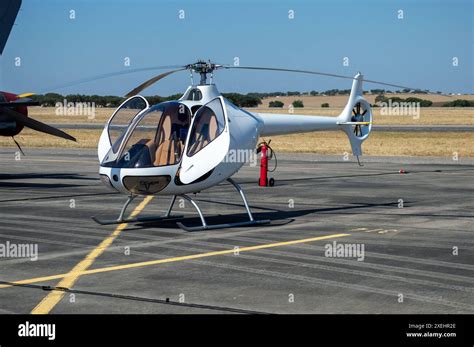
Supported by Eurocopter through sponsorship and technical collaboration, the aircraft eventually reached a critical milestone in 2005 with the first flight of the production Cabri. After over 300 hours of rigorous testing, it received its EASA type certification in December 2007, becoming the first twin-seat piston helicopter to be certified in over three decades.
Engineering Excellence and Safety-Driven Design
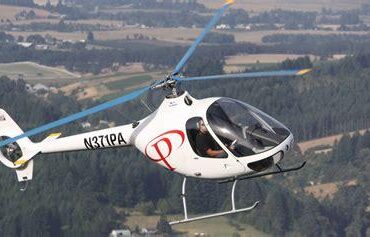
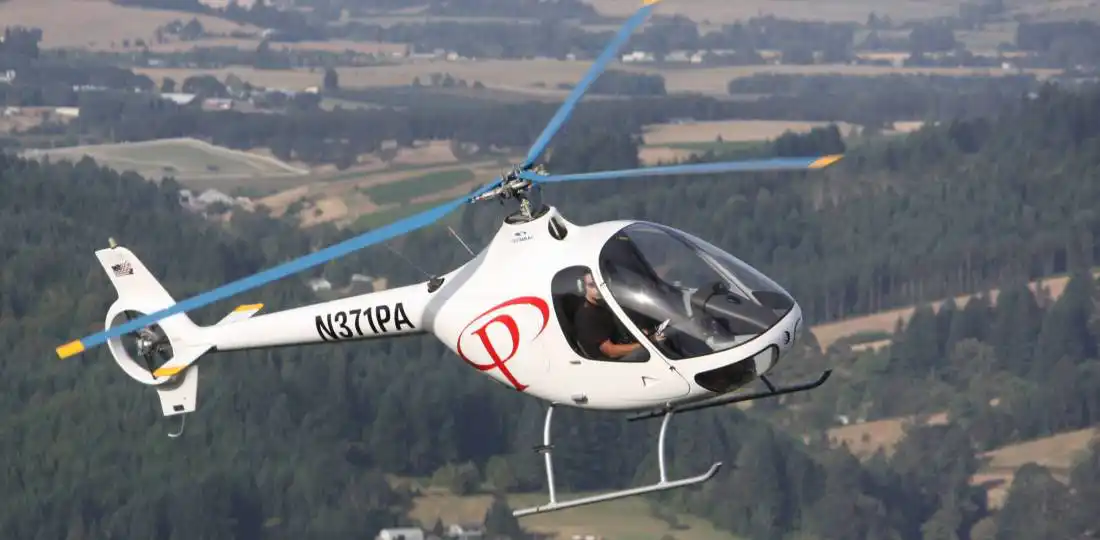
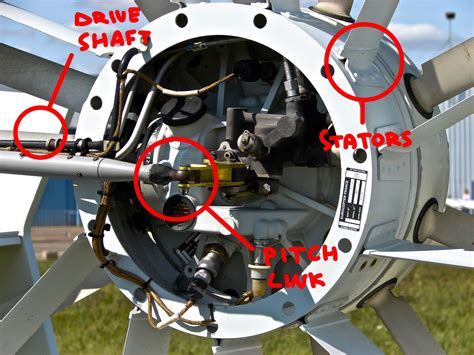
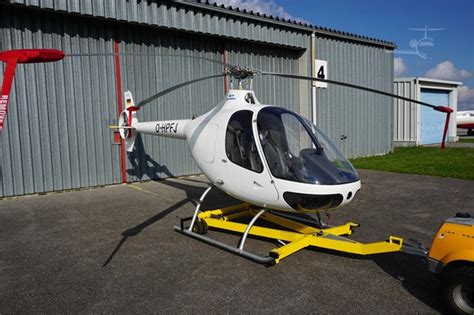
The Cabri G2 distinguishes itself through a series of innovative design features aimed at enhancing safety, durability, and pilot experience. At its core is a three-blade fully articulated main rotor, paired with the renowned Fenestron shrouded tail rotor—a feature borrowed from high-end Eurocopter designs. This configuration not only reduces noise but also drastically enhances safety by minimizing the risk of tail rotor strikes.
The aircraft’s all-composite monocoque fuselage is both lightweight and impact-resistant. Skid-mounted landing gear is affixed with elastomeric mounts, rather than bolted, minimizing the effects of ground resonance and offering improved shock absorption. This meticulous engineering extends to vibration-dampened engine mounts, energy-absorbing seats, and a crash-resistant fuel system, aligning the G2 with the FAA’s CRFS standards—a rarity among piston helicopters.
Cockpit Innovation and Flight Avionics
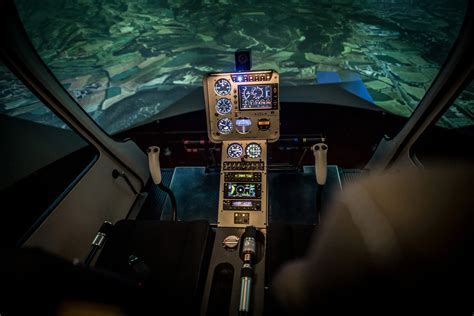
The glass cockpit of the Cabri G2 underscores its futuristic intent. At the heart of the avionics suite is the Electronic Pilot Management (EPM) system, which delivers real-time engine and rotor performance data across three digital screens. This intuitive system enhances situational awareness while providing redundancy with traditional backup instruments in case of system failure.
Cabin ergonomics have been thoughtfully designed. Side-by-side seating allows seamless communication between instructor and student, with removable dual controls supporting training adaptability. The cockpit includes practical luxuries such as leather seats, under-seat storage, power sockets, and an externally accessed 200-litre baggage compartment. Another industry first is the remote door locking system with integrated immobilizer, previously unseen in this class of rotorcraft.
Powerplant and Performance Profile
Powered by a Lycoming O-360-J2A piston engine, the Cabri G2 offers a blend of performance and reliability. Rated at 145 hp continuous and 160 hp for five-minute takeoff power, the engine is paired with a solid-state electronic ignition system that guards against overspeed conditions. Positioned behind the cabin for easier maintenance, the engine’s elevated exhaust also reduces ground fire risks during landings on uneven surfaces.
The G2’s performance envelope includes a maximum speed of 185 km/h, a cruise speed of 166 km/h, and an endurance of 4.5 hours, making it highly viable for both short-haul training and extended utility missions. The range of 700 km and a service ceiling of 3,963 meters are exceptional figures for a two-seat helicopter.
Global Certification and Market Expansion
Since certification, the Cabri G2 has steadily expanded its global presence. Initially focusing on Europe, Guimbal strategically withheld entry into North America until FAA certification was granted in 2015. By 2016, the aircraft had received certification in 24 countries, including major aviation markets in the UK, Australia, New Zealand, and South Africa.
Precision Helicopters in Oregon became the North American launch customer, followed closely by operators in the UK, where the G2 quickly gained popularity in training academies. By 2017, the 200th Cabri was delivered to HeliGroup, marking the UK as the largest national operator of the type.
Training Dominance and Operational Versatility
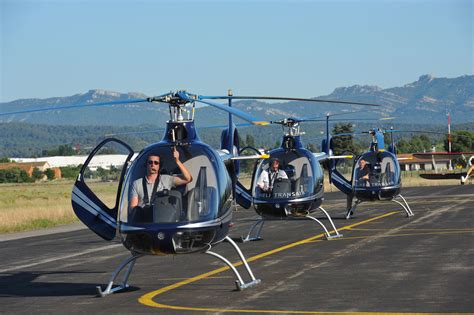
More than 70% of Cabri G2s in operation are dedicated to flight training, solidifying its status as the premier piston trainer globally. Its low operating costs, intuitive controls, and unparalleled safety architecture make it an ideal choice for both ab-initio and advanced flight schools. Dual controls can be removed without tools, while the robust autorotation characteristics give students essential emergency training experience.
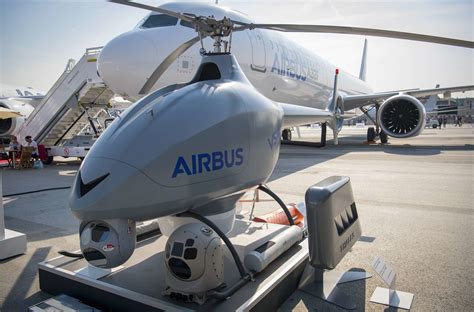
Operational uses extend beyond training. The G2 is a favorite among private owners, aerial photographers, and even as a platform for UAV development, such as the Airbus VSR700, a naval unmanned system derived from the Cabri airframe.
Unmanned Evolution and Military Applications
Beyond its manned applications, the Cabri G2 has served as a basis for UAV platforms. In 2003, Eurocopter and Guimbal collaborated on the Orka 1200, an early attempt at a VTOL unmanned system. This led to the creation of the Vertivision joint venture, developing variants of the Cabri for military and commercial drone use. The pinnacle of this line is the VSR700, a naval UAV powered by a 155 hp diesel engine and featuring advanced autopilot technology adapted from the EC725.
This transformation from a training rotorcraft to a cutting-edge unmanned aerial vehicle underscores the Cabri’s engineering depth and structural adaptability.
Accidents and Safety Record
Despite its strong safety record, the Cabri G2 has been involved in a limited number of high-profile accidents. In November 2017, a mid-air collision with a Cessna 152 in the UK resulted in four fatalities. Another incident in 2020 involved two Cabri G2s in Malaysia, where one crashed following an in-air collision during training operations. These tragic events prompted further scrutiny but have not dampened the model’s reputation for reliability, particularly given its superior crashworthiness and occupant protection.
Technical Specifications
General Characteristics
- Crew: 2 (removable dual controls)
- Length: 6.31 m
- Height: 2.37 m
- Gross Weight: 700 kg
- Powerplant: 1 × Lycoming O-360-J2A (145 hp continuous)
Performance
- Max Speed: 185 km/h
- Cruise Speed: 166 km/h
- Range: 700 km
- Endurance: 4.5 hours
- Service Ceiling: 3,963 m
Conclusion
The Guimbal Cabri G2 is not just a light helicopter—it is a refined synthesis of aerospace safety, innovation, and practical performance. From its conception by a visionary engineer to its international acclaim in flight schools and UAV platforms, the Cabri G2 stands as a beacon of what small helicopters can achieve when engineering, safety, and user experience are made top priorities.
FAQs about the Guimbal Cabri G2
What makes the Cabri G2 safer than other piston helicopters?
The Cabri G2 incorporates advanced safety features typically found in turbine-class helicopters. These include the Fenestron tail rotor, a crash-resistant fuel system, energy-absorbing seats, and electronic ignition systems. The airframe itself is designed with composite crash-worthy structures and complies with both EASA CS-27 and FAA CRFS standards.
Why is the Cabri G2 considered the best helicopter for flight training?
Its dual controls, side-by-side seating, forgiving flight characteristics, and excellent autorotation capabilities make it ideal for training. The robust airframe and intuitive avionics also help reduce maintenance downtime and enhance learning efficiency.
How does the Cabri G2 compare with the Robinson R22?
While both serve as light piston trainers, the Cabri G2 offers superior safety, lower overhaul costs, and more advanced avionics. Features like the Fenestron tail rotor, composite fuselage, and digital cockpit give it a significant edge in modern flight schools.