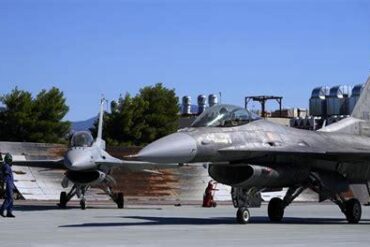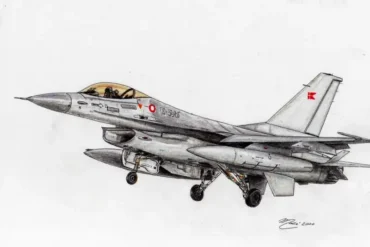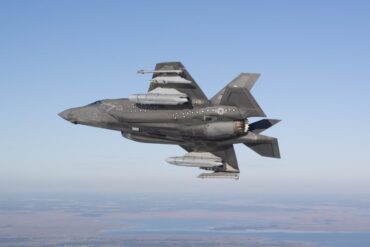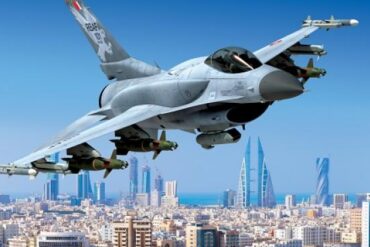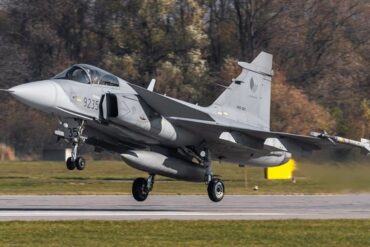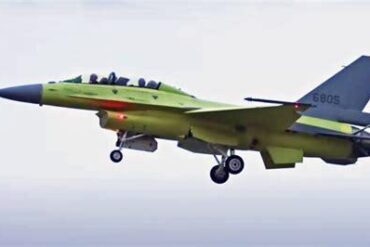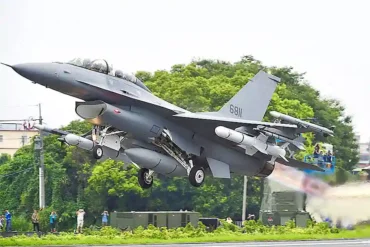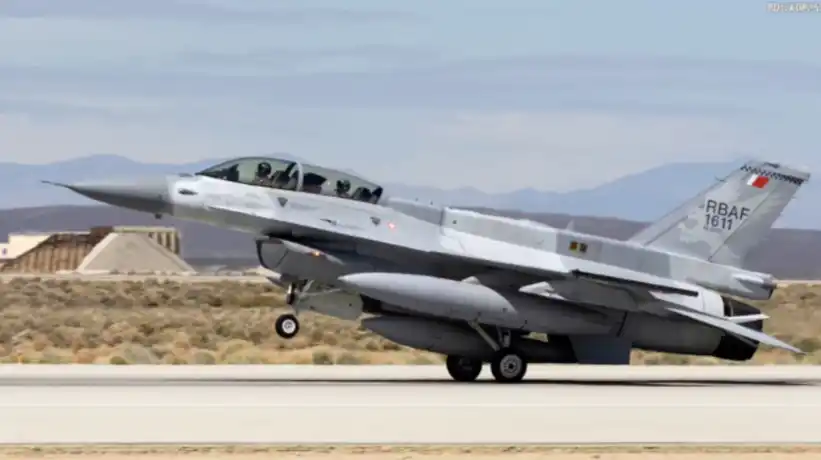
The F-16V Block 70 represents the pinnacle of fourth-generation fighter technology, merging legacy design with groundbreaking upgrades that extend the operational life and enhance the combat capabilities of the venerable F-16 platform. Recognized as both the “Super Viper” and simply the “Viper”, this advanced model by Lockheed Martin marks a significant milestone in fighter aircraft evolution, blending robust structural improvements with state-of-the-art avionics and weapons systems.
Cutting-Edge Structural Enhancements
One of the most notable features of the F-16V Block 70 is its reinforced airframe design. The structural improvements have pushed the aircraft’s life expectancy from the original 7,000–8,000 flight hours to an impressive 12,000 flight hours. This substantial increase in operational hours is complemented by an overall design service life extending beyond 40 years, ensuring that the aircraft remains a formidable asset in air combat for decades to come.
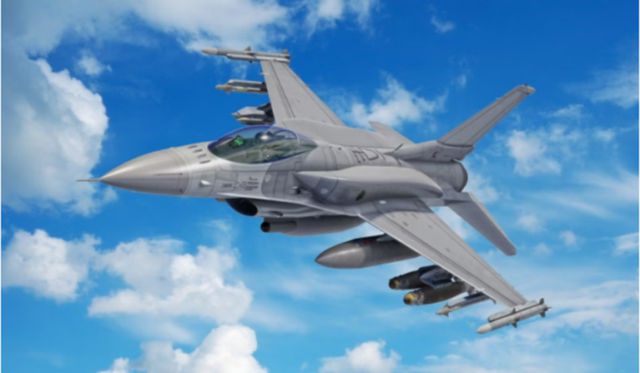
A significant engineering innovation in this model is the incorporation of a conformal fuel tank design. By integrating these tanks into the airframe, the aircraft achieves an extended range without compromising its aerodynamic performance. This enhancement allows the F-16V Block 70 to undertake longer missions while maintaining agility and speed, a combination that is crucial for modern aerial warfare.
Revolutionary Avionics and Radar Systems
The avionics suite in the F-16V Block 70 is among the most advanced in its class. At the heart of this upgrade is the AN/APG-83 Active Electronically Scanned Array (AESA) radar developed by Northrop Grumman. This radar system offers a detection range of up to 300 kilometers, providing unprecedented situational awareness. Its ability to track multiple targets simultaneously and its robust anti-jamming features give the fighter an edge in contested environments.
Furthermore, the integration of hardware and software technologies similar to those used in the F-35 platforms ensures that the F-16V Block 70 is equipped with fifth-generation radar functionalities. This means that despite being a fourth-generation aircraft at its core, the fighter benefits from next-generation sensor fusion and data processing capabilities, crucial for real-time threat detection and engagement.
Advanced Combat Capabilities
The F-16V Block 70 is engineered for superior combat performance with numerous systems designed to enhance survivability and mission effectiveness. Among these systems is the Automatic Ground Collision Avoidance System (Auto GCAS), which provides an added layer of safety during critical phases of flight. This system reduces the risk of accidental ground impacts during high-stress maneuvers, ensuring that the aircraft can operate safely even under intense combat conditions.

Another critical upgrade is the inclusion of the Infrared Search and Track (IRST) system. This non-emissive sensor allows the aircraft to detect and track targets based on their heat signatures, a capability that is especially useful in environments where radar detection may be compromised by countermeasures. Coupled with the digital Cockpit Primary Display (CPD), pilots receive real-time data in a user-friendly format that enhances decision-making under pressure.
In addition, the F-16V Block 70 is fully compatible with the Link-16 data link system. This integration allows for seamless communication with allied forces, ensuring that real-time intelligence and targeting information are shared across the battlefield. The emphasis on network-centric warfare capabilities makes the fighter an indispensable component of modern air operations.
Versatile Weapons Integration
The F-16V Block 70 is designed to accommodate a wide array of modern armaments, transforming it into a multi-role combat platform. Its weapon system capabilities include the ability to mount advanced missiles such as the AGM-88 Anti-Radiation Missile and the AGM-154 Joint Standoff Missile, which boasts a range of 370 kilometers. This extended strike capability not only surpasses conventional international arms sale limitations but also provides the fighter with the versatility to engage targets at greater distances.
The integration of these weapons systems underscores the aircraft’s role as a tactical enabler in modern warfare. Whether operating in a suppression of enemy air defenses (SEAD) role or executing precision strikes against high-value targets, the F-16V Block 70 demonstrates the flexibility and firepower required to dominate complex battle scenarios.
Global Orders and Delivery Milestones
The F-16V Block 70 has attracted significant international interest, with several countries placing orders that reflect its advanced capabilities and strategic importance. Notably, Taiwan has committed to a major acquisition, ordering 66 new F-16V Block 70 aircraft. Deliveries for these advanced fighters are scheduled to begin in 2024, with the full order expected to be completed by 2026. In addition to new purchases, Taiwan is upgrading 140 existing F-16A/B models to the F-16V standard, thereby forming the world’s third-largest active AESA-equipped fighter fleet.
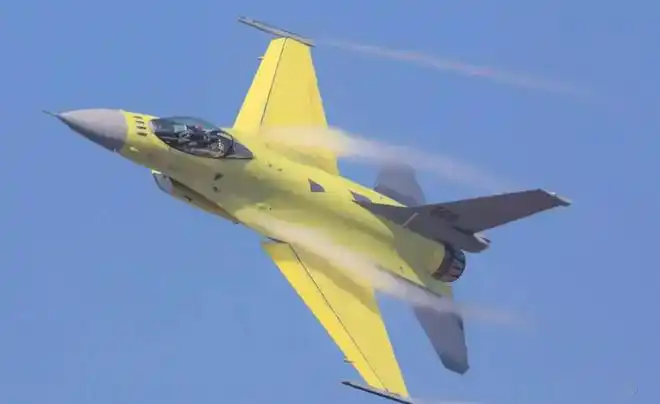
Eastern European nations have also shown a keen interest in the advanced capabilities of the F-16V Block 70. Bulgaria, for instance, has ordered 16 aircraft with a total contract value of $2.5 billion. The first of these is slated for delivery in January 2025, replacing the aging MiG-29 fleet. Originally planned for delivery in 2023, the schedule was adjusted due to necessary production line modifications, illustrating the challenges inherent in balancing technological upgrades with manufacturing logistics.
Other international customers include Slovakia with 14 aircraft, Bahrain with 16 aircraft, and Morocco with 24 aircraft. Although Turkey once considered an order of 40 aircraft, the status of this acquisition remains uncertain. Collectively, these orders amount to a total of 188 aircraft, positioning the F-16V Block 70 as a key component in modernizing and standardizing air combat fleets across multiple regions.
Performance Positioning and Comparative Analysis
In the competitive landscape of modern fighter aircraft, the F-16V Block 70 is positioned as the most advanced fourth-generation fighter. Its performance parameters are on par with European counterparts such as the Eurofighter Typhoon and the Dassault Rafale, both of which are renowned for their agility and precision. However, while the F-16V Block 70 excels in many areas, it does have limitations when compared to heavier, more advanced platforms like the F-15EX or the J-16.
Strengths in Multi-Role Operations
The design philosophy behind the F-16V Block 70 is rooted in versatility. Its ability to execute air-to-air, air-to-ground, and SEAD missions makes it a multi-role powerhouse. The integration of advanced sensors and weapons systems allows the aircraft to adapt quickly to evolving threats. Its upgraded radar and sensor fusion capabilities provide pilots with a comprehensive picture of the battlefield, enabling rapid target acquisition and engagement.
Challenges in Stealth and Beyond-Visual-Range Combat
Despite its advanced features, the F-16V Block 70 is not a stealth aircraft. The inherent limitations in radar cross-section reduction mean that it does not possess the same level of low observable technology as stealth fighters like the F-35 or the J-20. Consequently, while the aircraft benefits from its AESA radar, its overall detection and evasion capabilities may lag behind those of true stealth platforms. In high-intensity conflicts where beyond-visual-range engagements and stealth are decisive factors, this limitation could potentially reduce its tactical advantage.
Furthermore, the F-16V Block 70 faces inherent challenges when operating in environments saturated with advanced anti-aircraft systems. The evolving threat landscape, including long-range rocket artillery, ballistic missiles, and unmanned aerial systems, places additional pressure on the aircraft’s survivability. These factors underscore the need for robust countermeasures and continuous upgrades to ensure that the F-16V Block 70 remains a viable option in modern combat scenarios.
Strategic Impact and Regional Dynamics
The introduction of the F-16V Block 70 into global fleets carries profound strategic implications. For countries like Taiwan, the acquisition of these advanced fighters is not merely an upgrade in technology—it is a statement of commitment to modernizing its defense capabilities in the face of evolving regional threats. The delays in delivery, compounded by geopolitical tensions such as the Ukrainian conflict, have only heightened the urgency of these orders. The repeated postponements in delivery timelines have contributed to a growing sense of anxiety among defense planners regarding the reliability of international arms sales and the ability to secure timely reinforcements.
Balancing Modernization and Immediate Defense Needs
For Eastern European nations such as Bulgaria and Slovakia, the adoption of the F-16V Block 70 represents a critical step in replacing outdated Soviet-era aircraft. By integrating these modern fighters into their defense architecture, these countries are not only bolstering their own air defense capabilities but are also enhancing interoperability with NATO forces. This strategic alignment is crucial in an era where rapid, coordinated responses to emerging threats are paramount.
Navigating International Political Challenges
The global orders for the F-16V Block 70 highlight the intricate interplay between technological innovation and international politics. The aircraft’s advanced features and extended operational lifespan make it a valuable asset, yet its deployment and delivery are inextricably linked to broader geopolitical dynamics. For instance, the significant order placed by Taiwan and its subsequent upgrades signal a clear strategic message, while also provoking concerns about escalation in regional security dynamics. Similarly, the delayed deliveries to Bulgaria, necessitated by production line adjustments, underscore the logistical challenges that can arise even with technologically superior platforms.
Technological Synergies and Future-Proofing
The F-16V Block 70 stands as a testament to the enduring success of the F-16 series, continuously adapting to the evolving demands of modern air combat. Its blend of legacy design with cutting-edge technology is a strategic maneuver to balance cost-effectiveness with performance. With an eye toward future conflicts, the aircraft’s design facilitates further upgrades, ensuring that it remains relevant as threats evolve and new technologies emerge.
Digital Cockpit and Pilot-Centric Innovations
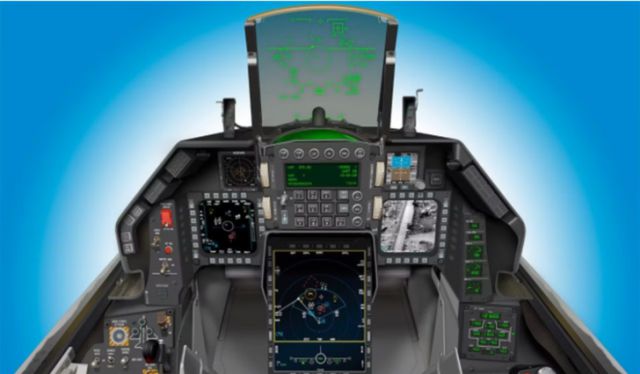
The implementation of a digital cockpit primary display (CPD) in the F-16V Block 70 represents a significant step forward in pilot interface design. The digital cockpit consolidates critical flight data, targeting information, and sensor outputs into a unified display, allowing for faster and more accurate decision-making. This enhancement is particularly important in modern warfare scenarios, where every second counts and situational awareness can be the difference between mission success and failure.
Interoperability and Network-Centric Warfare
Interoperability is a cornerstone of modern military strategy. The F-16V Block 70’s seamless integration with the Link-16 data link ensures that it can operate in conjunction with a wide array of allied systems, enhancing collective battlefield awareness and coordination. This capability is essential in network-centric warfare, where rapid data exchange between multiple platforms—ranging from unmanned aerial vehicles to ground-based command centers—creates a dynamic and responsive combat environment.
Economic and Industrial Implications
The production and export of the F-16V Block 70 also carry significant economic and industrial implications. The fighter’s modernized design and extended service life translate into a long-term return on investment for both the manufacturing entity and the purchasing nations. By adopting a platform with proven combat performance and upgradability, countries are making a strategic choice that balances immediate defense needs with future-proofing investments.
Global Market Competitiveness
The F-16V Block 70 competes directly with other modern fighters such as the Eurofighter Typhoon and the Dassault Rafale. However, its reputation for cost-effectiveness, combined with its advanced avionics and multi-role capabilities, provides it with a unique competitive edge. The wide range of configurations and the ability to upgrade legacy F-16 models to the Viper standard further enhance its appeal, ensuring that it remains a preferred option in international arms markets.
Industrial Collaboration and Technological Transfer
Large-scale orders from countries such as Taiwan, Bulgaria, and others also stimulate industrial collaboration and technological transfer. The production line adjustments and continuous enhancements required for the F-16V Block 70 not only foster innovation within the manufacturing sector but also contribute to the broader defense industrial base. This symbiotic relationship between military needs and industrial capabilities reinforces the importance of maintaining a competitive edge in aerospace technology.
Operational Strategies and Battlefield Roles
In combat, the F-16V Block 70 excels in roles that require a delicate balance between agility, range, and firepower. Its design allows it to perform a variety of missions, from air superiority and ground attack to reconnaissance and electronic warfare support. The fighter’s agility and advanced sensor suite make it particularly effective in environments where rapid engagement of multiple targets is required.
Air-to-Air Engagements and Beyond-Visual-Range Combat
With its advanced AESA radar and integrated sensor fusion, the F-16V Block 70 is adept at detecting and tracking enemy aircraft at extended ranges. This capability is crucial for air-to-air combat, where early detection allows pilots to engage threats before they become imminent. While the aircraft may not match the stealth characteristics of fifth-generation fighters, its ability to engage targets effectively at beyond-visual ranges compensates for some of these limitations.
Precision Strike and Stand-Off Capabilities
The incorporation of long-range weapon systems, such as the AGM-154 Joint Standoff Missile, enables the F-16V Block 70 to execute precision strikes against high-value targets while maintaining a safe distance from enemy air defenses. This stand-off capability is essential in modern warfare, where the ability to neutralize threats without direct exposure to hostile fire is increasingly valuable. By combining precision guidance with extended range, the aircraft ensures that it remains effective even in complex, multi-threat environments.
Challenges and Future Outlook
Despite its many advancements, the F-16V Block 70 is not without its challenges. Its non-stealth design places inherent limitations on its ability to operate in highly contested environments dominated by advanced surface-to-air missile systems and fifth-generation fighters. Critics point to the aircraft’s vulnerability in scenarios where adversaries possess superior stealth and electronic warfare capabilities, highlighting the ongoing need for complementary defensive systems and continuous technological upgrades.
Mitigating Vulnerabilities in a Dynamic Threat Landscape
To address these challenges, modern combat strategies increasingly rely on integrated defense systems. The F-16V Block 70 benefits from collaborative strategies that leverage network-centric warfare and joint force operations. By operating in tandem with stealth platforms, electronic warfare units, and advanced ground-based air defenses, the aircraft’s vulnerabilities can be mitigated, ensuring that it plays a crucial role within a broader, layered defense architecture.
Adapting to Technological Advances
The future of the F-16V Block 70 will depend on its ability to integrate new technologies as they emerge. Ongoing upgrades to avionics, sensor systems, and electronic warfare suites are essential to maintain its competitive edge. Continuous investment in research and development ensures that the fighter can adapt to evolving threats, making it a long-term asset for nations seeking to maintain air superiority in a rapidly changing global landscape.
Conclusion: A Legacy Reinvented for Modern Battlefields
The F-16V Block 70 stands as a symbol of innovation and adaptability in modern aerial warfare. Its extensive structural enhancements, state-of-the-art avionics, and versatile weapon systems create a platform that is not only cost-effective but also capable of executing a wide range of mission profiles. From the extended service life and conformal fuel tank design to the advanced AN/APG-83 AESA radar and digital cockpit, every aspect of the fighter has been meticulously engineered to meet the demands of contemporary combat.
As nations continue to modernize their air defense capabilities, the strategic significance of the F-16V Block 70 becomes increasingly evident. It provides a critical link between the proven performance of legacy systems and the emerging technologies of next-generation combat aircraft. While it faces challenges in the realm of stealth and high-intensity conflict, its robust design and continuous upgrade potential ensure that it remains a formidable presence in the skies.
The global orders from Taiwan, Bulgaria, Slovakia, Bahrain, Morocco, and potentially Turkey underscore the international confidence in the F-16V Block 70 as a cornerstone of modern air defense. Each order not only reinforces the aircraft’s technological superiority but also highlights its role in balancing regional power dynamics and enhancing interoperability among allied forces. In a world where the pace of technological change is relentless and the nature of warfare is continuously evolving, the F-16V Block 70 exemplifies the strategic ingenuity required to maintain a competitive edge.
Through its advanced capabilities and enduring design, the F-16V Block 70 is poised to serve as a critical asset for decades, offering a blend of legacy robustness and modern innovation that few other aircraft can match. The fighter’s success lies in its ability to balance high performance with economic efficiency, ensuring that it remains relevant not only as a symbol of technological advancement but also as a practical solution for the evolving demands of global air defense.
In summary, the F-16V Block 70 is more than just an upgraded fighter jet—it is a reinvention of the F-16 legacy, tailored to meet the challenges of modern combat and poised to redefine what is possible in fourth-generation fighter technology. Its impact on global military strategy, its integration into network-centric operations, and its ability to adapt to future threats underscore its role as a pivotal player in the aerospace arena. As countries around the world seek to enhance their defense capabilities, the F-16V Block 70 continues to shine as a beacon of advanced technology, strategic versatility, and enduring legacy in the ever-evolving landscape of modern warfare.