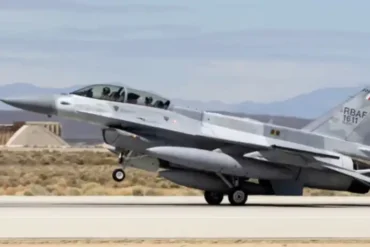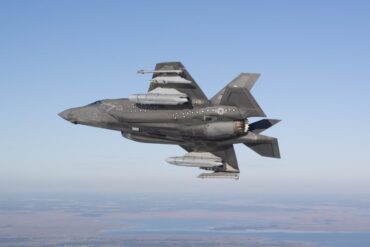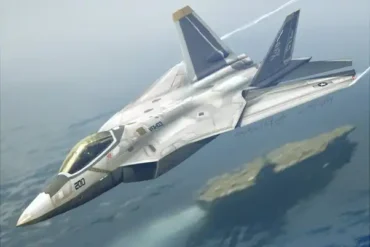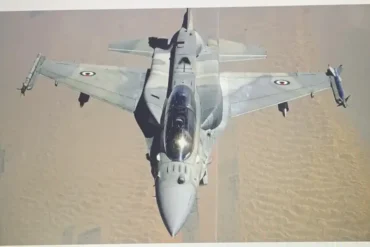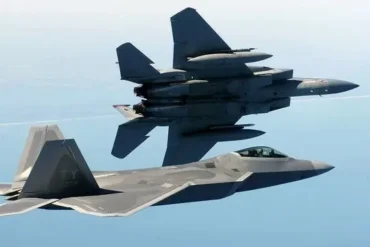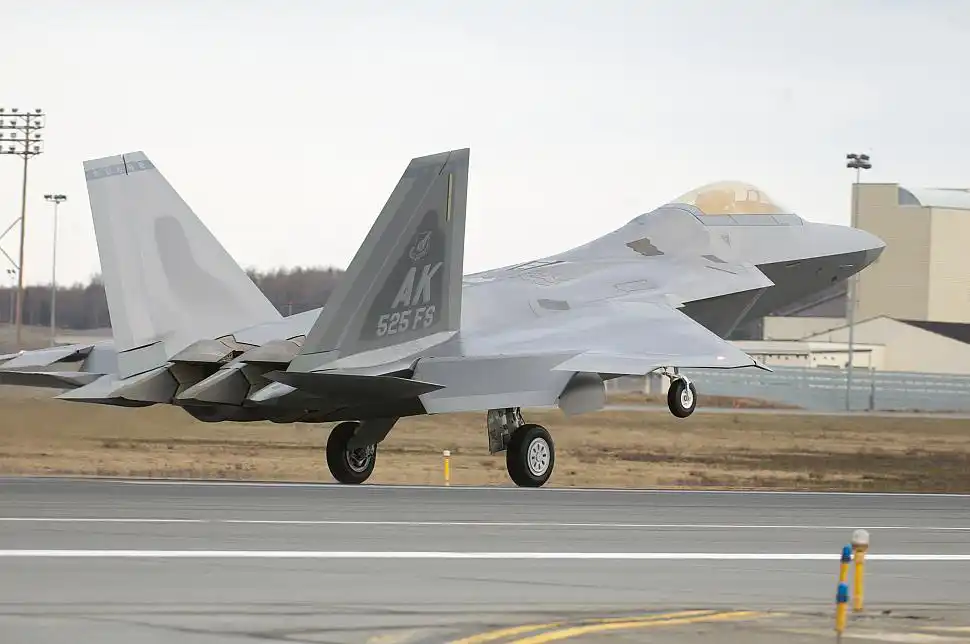
The F-22 Raptor Block 40 represents a significant evolution of the world’s first fifth-generation fighter, transforming it from a pure air superiority platform into a multi-role combat aircraft with enhanced strike capabilities, advanced sensors, and improved survivability. This upgrade integrates next-generation avionics, weapons, and stealth technologies, ensuring the F-22 remains a dominant force well into the 2040s.
Multi-Role Capability Expansion
The F-22 Block 40 introduces ground attack and suppression of enemy air defenses (SEAD) capabilities, expanding its operational scope beyond air dominance. Key upgrades include:
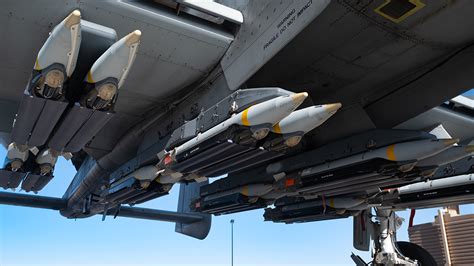
- Precision-Guided Munitions (PGMs): Integration of GBU-39/40 Small Diameter Bombs (SDBs) and GBU-32 Joint Direct Attack Munitions (JDAMs) enables the aircraft to perform deep penetration strikes with pinpoint accuracy.
- High-Resolution Synthetic Aperture Radar (SAR): Allows for detailed ground mapping, target identification, and engagement in all-weather conditions.
- Enhanced Electronic Counter-Countermeasures (ECCM): Ensures resilience against enemy electronic warfare (EW) attacks, boosting survivability.
Sensor and Avionics Enhancements
Advanced Radar System
The Block 40 F-22 features an upgraded AN/APG-77(V)1 Active Electronically Scanned Array (AESA) radar, sharing key components with the F-35 Joint Strike Fighter. Improvements include:
- High-speed radar processors for increased multi-target tracking and engagement capabilities.
- Synthetic aperture imaging for superior target recognition and battlefield awareness.
- Low Probability of Intercept (LPI) capabilities, making the radar harder to detect by enemy sensors.
Distributed Sensor Network
- Side-Looking Radar Arrays: Enhances the aircraft’s ISR (Intelligence, Surveillance, and Reconnaissance) capabilities, improving targeting and situational awareness.
- Infrared Search and Track (IRST) Pod: Detects stealth threats, allowing passive tracking of enemy aircraft.
- Enhanced Data Fusion: Multi-source data integration improves pilot decision-making, giving the F-22 a tactical advantage over adversaries.
Communication & Network-Centric Warfare
- New Satellite Communication (SATCOM) Terminal: Ensures global connectivity, allowing pilots to coordinate missions beyond line-of-sight.
- MIDS/Link-16 Data Link: Enables real-time data sharing with allied forces, improving battlefield coordination.
- Enhanced Cyber Resilience: Protects against electronic warfare (EW) threats, ensuring secure network operations.
Weapon System Upgrades & Stealth Compatibility
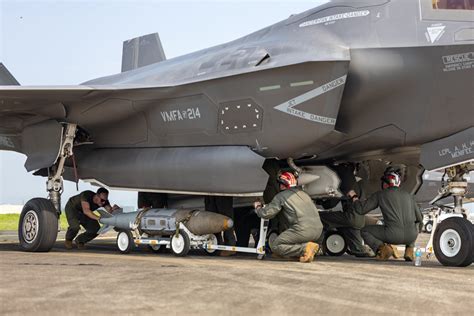
One of the defining features of the Block 40 upgrade is the integration of stealth-compatible external weapon pods, allowing the F-22 to carry additional armament while maintaining a reduced radar signature. Key configurations include:
Air-to-Air Loadout
- 6× AIM-120C AMRAAMs (Advanced Medium-Range Air-to-Air Missiles)
- 2× AIM-9X Sidewinders for short-range engagements
Air-to-Ground Loadout
- 4× GBU-32 JDAMs or 8× GBU-39 SDBs, with improved Wind Corrected Munitions Dispensers (WCMDs)
- Future integration of Joint Advanced Tactical Missiles (JATM) and Low-Cost Autonomous Attack Systems (Locaas) for long-range strike missions
Structural Enhancements & Powerplant Improvements
Airframe Modifications
- Larger internal weapon bays and strengthened wings increase payload capacity.
- Extended fuel storage for longer combat endurance.
- Advanced composite materials further reduce radar cross-section (RCS).
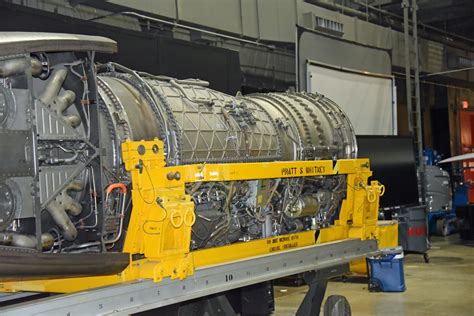
F119-PW-100 Engine Upgrades
- Enhanced thermal management ensures sustained supercruise capability (Mach 1.8+ without afterburners).
- Optimized thrust vectoring improves maneuverability and sustained high-G turns.
- Increased fuel efficiency, allowing longer missions and improved deep-strike capability.
Future Integration & Modernization Roadmap
Despite the closure of the F-22 production line, the Block 40 ensures the platform remains relevant and lethal through continuous modernization efforts:
- Helmet-Mounted Display (HMD): Deployment of the Thales “Scorpion” HMD by 2025, featuring augmented reality (AR), night vision fusion, and off-boresight targeting.
- Open Mission Systems (OMS): Enables rapid software updates, integrating AI-assisted decision-making capabilities.
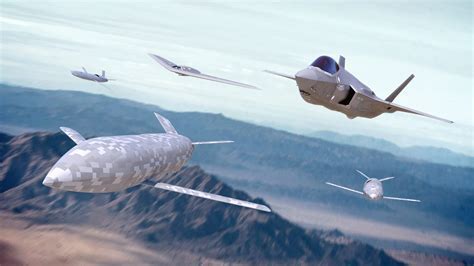
- Next-Generation Air Dominance (NGAD) Synergy: The F-22 Block 40 serves as a testbed for NGAD technologies, ensuring seamless transition to sixth-generation air combat platforms.
Conclusion
The F-22 Block 40 upgrade marks a major leap forward, transforming the Raptor from an air superiority fighter to a truly multi-role combat platform. With cutting-edge sensor fusion, precision strike capability, and network-centric warfare enhancements, the F-22 remains one of the most advanced fighter jets in service today. Its stealth superiority, supercruise capability, and modular upgrades ensure continued dominance in 21st-century air combat.
Frequently Asked Questions
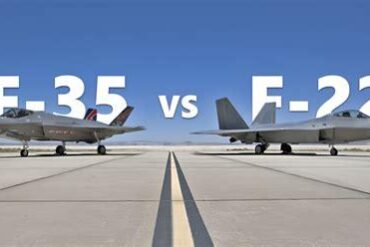
1. How does the F-22 Block 40 compare to the F-35?
While both jets share advanced avionics and stealth technology, the F-22 Block 40 retains superior air dominance due to its higher speed, supercruise capability, and unmatched dogfighting performance. The F-35 excels in multi-role flexibility, including advanced electronic warfare (EW) and intelligence gathering.
2. Will the F-22 Block 40 be upgraded further?
Yes. The Block 40 upgrade is part of a broader modernization roadmap, ensuring the F-22 remains combat-relevant until at least the 2040s. Future improvements include AI-assisted avionics, extended-range missiles, and increased connectivity with unmanned aerial systems (UASs).
3. How does the F-22 Block 40 improve its stealth capabilities?
Key improvements include stealth-compatible external weapon pods, enhanced radar-absorbent materials (RAM), and upgraded engine exhaust systems to reduce infrared and radar signatures. These refinements ensure maximum survivability in high-threat environments.