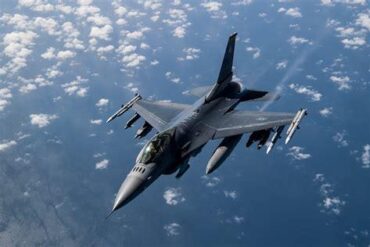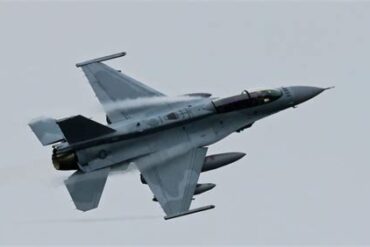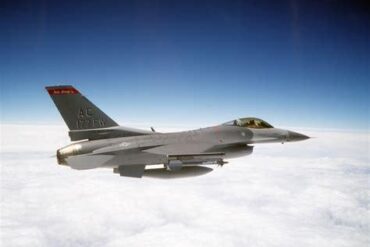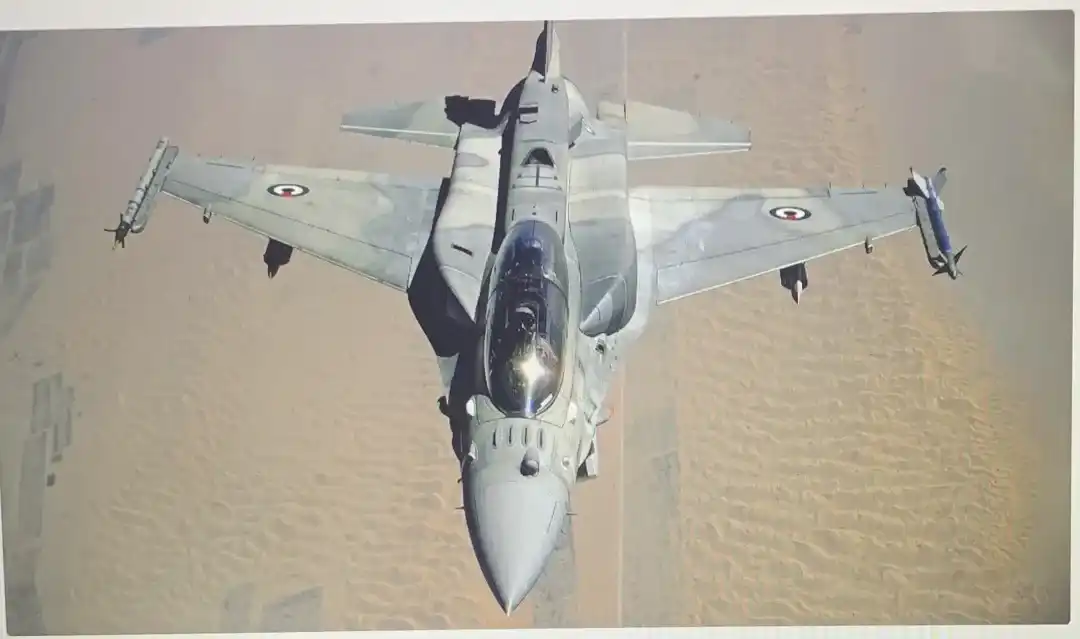
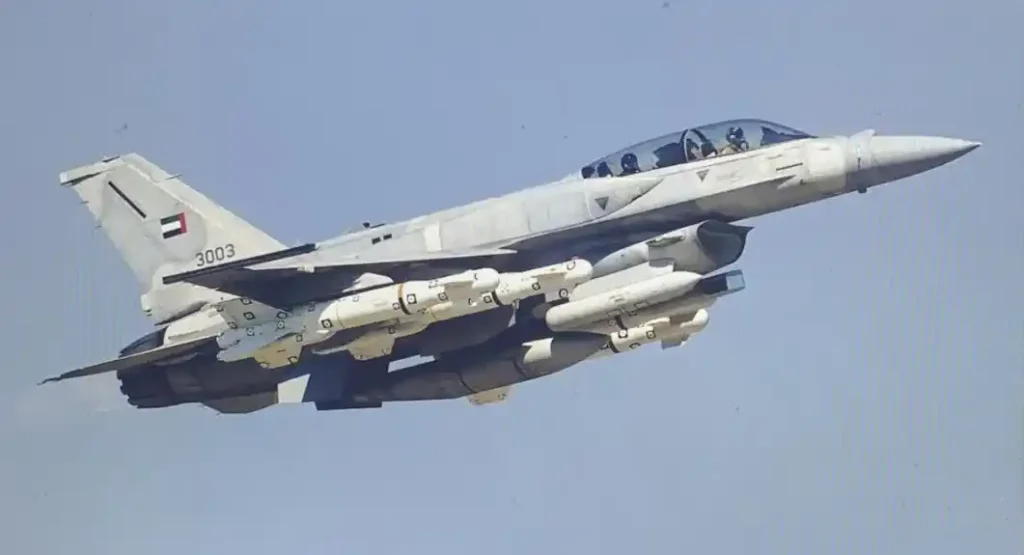
The F-16E/F Block 60 represents a groundbreaking chapter in modern aerial warfare, merging decades of proven F-16 platform reliability with cutting-edge innovations. Designed exclusively for the United Arab Emirates Air Force, this advanced fighter jet embodies the pinnacle of four-and-a-half generation combat aircraft, optimized for the unique challenges of desert warfare. With its blend of sophisticated aerodynamics, enhanced avionics, and superior engine performance, the Block 60 has redefined what it means to achieve precision and versatility in the skies.
Design Evolution and Strategic Positioning
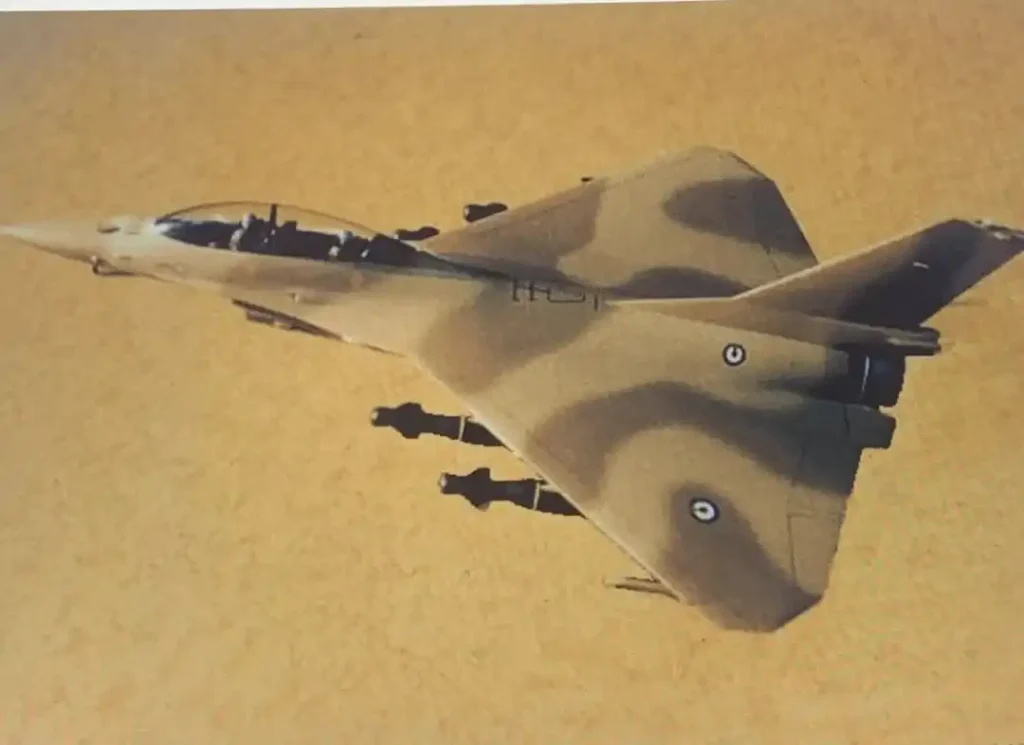
Developed as the most technologically advanced export variant of the F-16 family, the F-16E/F Block 60 emerged from a collaborative research and development initiative between the United States and the UAE during the 1990s. The aircraft was conceived to meet the stringent operational demands of high-temperature, dust-laden desert environments while preserving the celebrated cost-effectiveness and proven design heritage of its predecessors. Rooted in the F-16C/D Block50/52 framework, the Block 60 underwent extensive modifications, resulting in a platform that seamlessly integrates advanced materials, aerodynamics, and digital systems.
Key investment milestones include:
- Development Expenditure: Approximately $3 billion invested in refining and modernizing the base architecture.
- First Flight and Operational Entry: The Block 60 took to the skies in 2003, followed by the initial delivery of 80 aircraft (comprising 55 single-seat E variants and 25 dual-seat F variants) in 2005.
This strategic development not only provided the UAE with a superior combat asset but also set a new standard for export fighter jets in terms of technological sophistication and operational flexibility.
Engine Performance and Aerodynamic Superiority
At the heart of the F-16E/F Block 60 lies a revolutionary upgrade to its powerplant. The incorporation of the General Electric F110-GE-132 engine marks a significant evolution from earlier models. This engine upgrade is characterized by several critical enhancements:
- Enhanced Thrust: The F110-GE-132 delivers an impressive 144.6 kN (32,000 lbs) of thrust, representing a 13% increase over the preceding F110-GE-129 engine. This boost in power is crucial for maintaining superior performance in the high-density, high-temperature conditions typical of desert theaters.
- Full Authority Digital Engine Control (FADEC): The engine is equipped with a state-of-the-art FADEC system, ensuring optimal performance and reliability even under extreme operational stresses.
- Advanced Fuel Management: A conformal fuel tank design allows the Block 60 to achieve a maximum takeoff weight of 23.6 tonnes, extending its combat range to an impressive 4,220 kilometers.
The aerodynamic design of the Block 60 has been meticulously refined to harmonize with these engine enhancements. The integration of streamlined contours and advanced control surfaces ensures that the aircraft remains agile, even during complex combat maneuvers, while efficiently managing fuel consumption and thermal loads.
Revolutionary Avionics and Sensor Fusion
A defining characteristic of the F-16E/F Block 60 is its advanced suite of avionics, which integrates a series of cutting-edge systems to elevate situational awareness and combat effectiveness. The Block 60’s sensor suite exemplifies modern warfare technology by blending radar, electronic warfare, and infrared capabilities into a cohesive operational network.
Next-Generation AESA Radar
- AN/APG-80 Radar: At the core of its sensor systems is the Northrop Grumman AN/APG-80 Active Electronically Scanned Array (AESA) radar. With a detection range reaching up to 370 kilometers, this radar system is capable of simultaneously tracking up to 24 targets while guiding 8 missiles in parallel. Its dual-mode operation enhances both air-to-air and air-to-ground combat:
- Air Combat Mode: Features capabilities such as target tracking with TWS (Track-While-Scan), ensuring continuous target engagement even during high-speed dogfights.
- Ground Attack Mode: Incorporates synthetic aperture imaging for detailed target identification and precise strike capability.
Cutting-Edge Electronic Warfare and Countermeasures
The F-16E/F Block 60 is fortified with an integrated electronic warfare suite known as the Falcon Edge system. This system includes:
- ALQ-254(V)1 Active Jammer: A powerful 10 kW active electronic warfare component designed to disrupt enemy radar and communication systems.
- ALE-50 Towed Decoy: An advanced countermeasure that confounds enemy targeting systems by emitting misleading signals.
- Comprehensive Countermeasure Dispensers: Equipped with 8 groups of dispensers that release a variety of chaff and flares to protect the aircraft from missile threats.
- RF Fingerprint Identification: This innovative technology enables the aircraft to pinpoint and neutralize potential threats based on their unique radio frequency signatures.
Integrated Infrared Targeting and Sensor Fusion
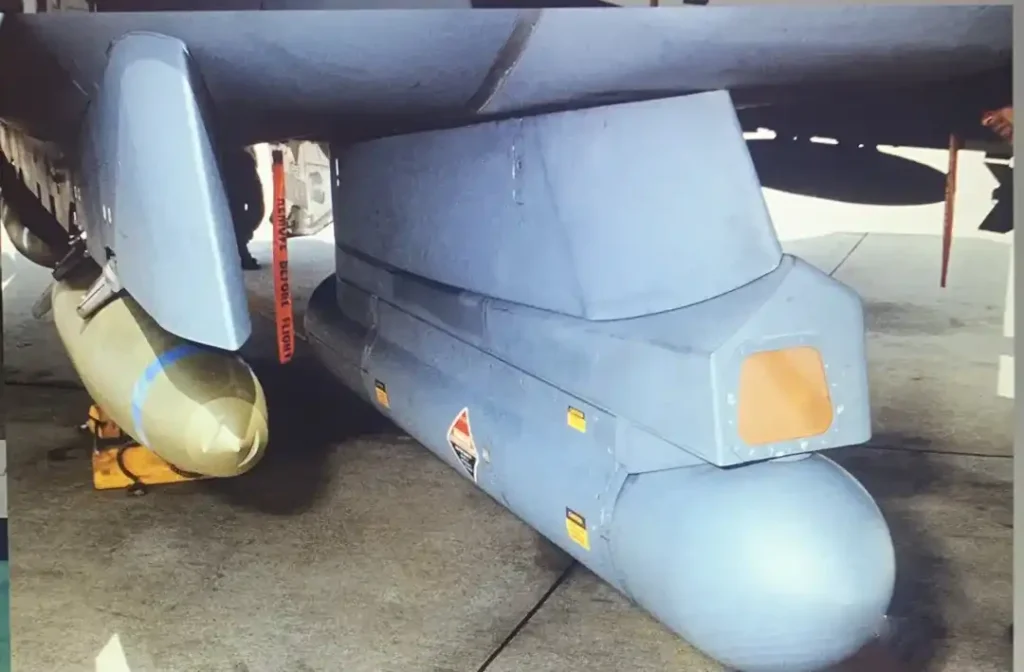
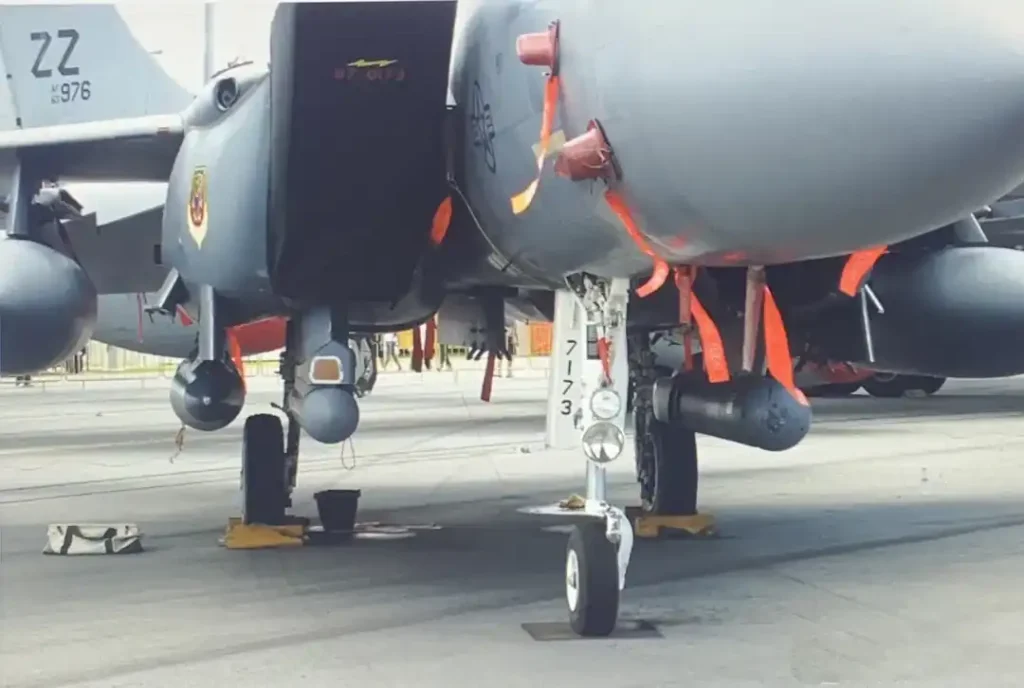
The avionics package is further enhanced by the integration of the AN/AAQ-32 Infrared Targeting System (IFTS), which provides high-precision targeting capabilities. This system is complemented by:
- LITENING Pod Laser Designator: Allows for accurate laser designation in support of ground attacks.
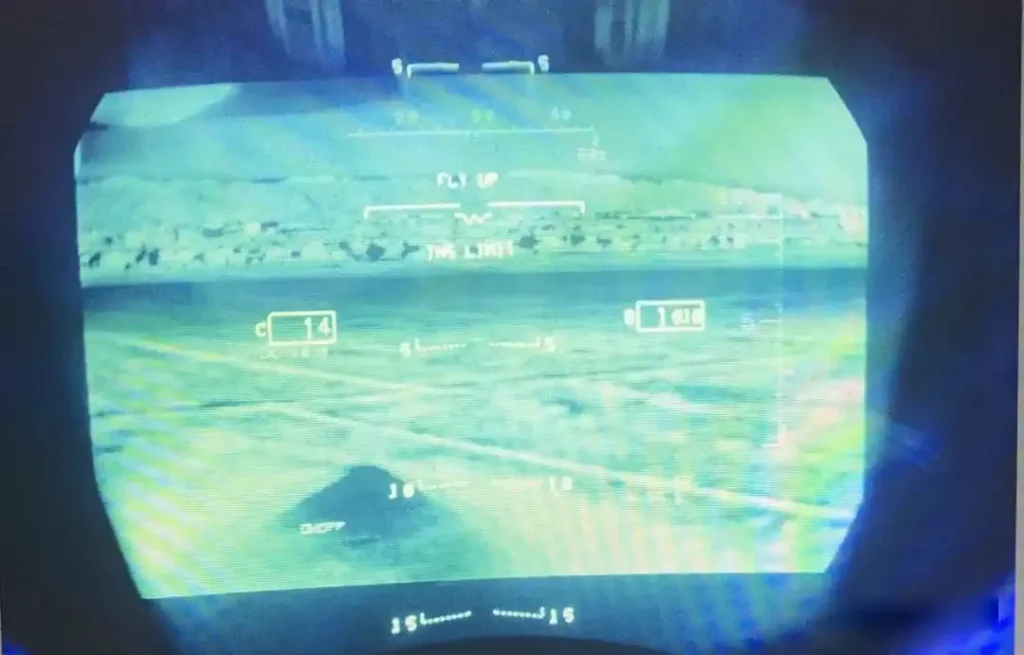
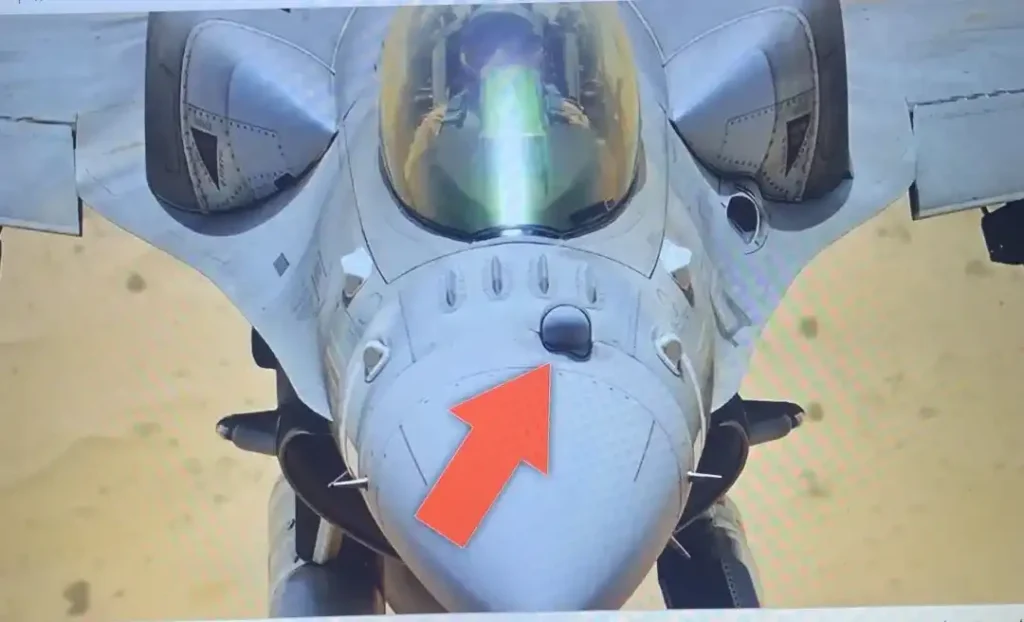
- Falcon Eye Forward-Looking Infrared Navigation: Aids in night operations and ensures optimal situational awareness without the need for external pods.
The seamless fusion of these sensors means that the Block 60 can operate in complex threat environments, delivering a comprehensive view of the battlefield in real time.
State-of-the-Art Cockpit and Human-Machine Interface
The cockpit of the F-16E/F Block 60 is designed with the pilot’s operational needs at the forefront. Recognizing that combat efficiency is directly linked to the pilot’s situational awareness, the cockpit features a blend of ergonomic design and advanced technology:
- Multi-Touch Displays: The cockpit incorporates three large 20×25 cm color touchscreens that provide critical flight, weapons, and mission data at a glance. These interfaces are designed to be intuitive and highly responsive, ensuring that pilots can quickly access and interpret vital information.
- Wide-Angle Holographic Head-Up Display (HUD): The integrated HUD offers a comprehensive view of the battlefield, projecting essential flight and combat data directly into the pilot’s line of sight. This system is fully compatible with night vision, further enhancing operational capability during low-light missions.
- Enhanced Environmental Controls: Recognizing the thermal challenges of desert operations, the cockpit is equipped with advanced environmental control systems that maintain optimal operating temperatures for electronic systems, even under extreme conditions.
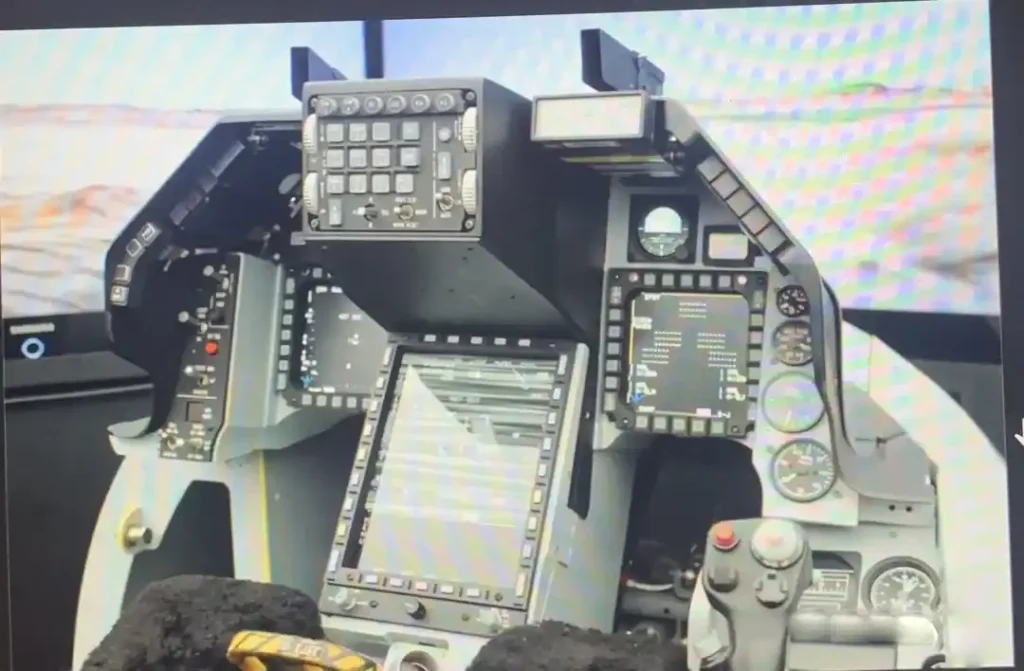
The human-machine interface of the Block 60 is not merely about data display; it is a sophisticated integration of digital control, tactile feedback, and augmented reality. This integration ensures that the pilot remains at the pinnacle of operational control, with the aircraft’s systems working in seamless harmony to support rapid decision-making during combat scenarios.
Superior Multi-Role Combat Capabilities
The F-16E/F Block 60 has been meticulously engineered to fulfill a wide array of mission profiles, making it one of the most versatile fighter jets in active service. Its design supports a broad spectrum of combat roles, ranging from air superiority to deep strike missions.
Air-to-Air Superiority
In the domain of air combat, the Block 60 excels with a powerful combination of advanced radar, superior maneuverability, and an impressive weapons payload. Typical armament configurations include:
- AIM-120D Advanced Medium-Range Air-to-Air Missile (AMRAAM): With a range of up to 160 kilometers, this missile is central to the aircraft’s beyond-visual-range engagement capabilities.
- AIM-9X Sidewinder: A highly agile short-range missile effective in close-combat situations, with an operational range of 18.5 kilometers.
The aircraft’s enhanced maneuverability is underscored by a thrust-to-weight ratio of 1.09 in air combat configuration and an instantaneous roll rate of 25.5 degrees per second. Such performance parameters allow pilots to execute complex aerial maneuvers, outmaneuvering adversaries even in dynamic combat engagements.
Precision Ground Attack
Beyond air-to-air combat, the Block 60 is equally formidable in ground attack roles. Its multi-mission capability is reflected in the ability to carry and deploy a variety of precision-guided munitions:
- AGM-88E Anti-Radiation Missile: Designed for neutralizing enemy radar installations, this missile can engage targets at a distance of up to 150 kilometers.
- GBU-39 Small Diameter Bomb: With a range of 110 kilometers, this bomb allows for precision strikes against hardened targets with minimal collateral damage.
In specialized configurations, the aircraft can be outfitted with a “Beast Mode” loadout, enabling it to carry up to 8.7 tonnes of ordnance. This exceptional payload capacity makes the Block 60 an indispensable asset for executing high-intensity, high-volume strike missions with unwavering precision.
Enhanced Maneuverability and Acceleration
The aerodynamic improvements in the F-16E/F Block 60 facilitate extraordinary performance during rapid acceleration and combat maneuvers. At an altitude of 6,000 meters, the aircraft can accelerate from 0.9 Mach to 1.5 Mach in just 48 seconds. Such rapid acceleration is critical during engagement phases, where split-second decisions can determine mission success or failure.
Combat Proven and Operational Success
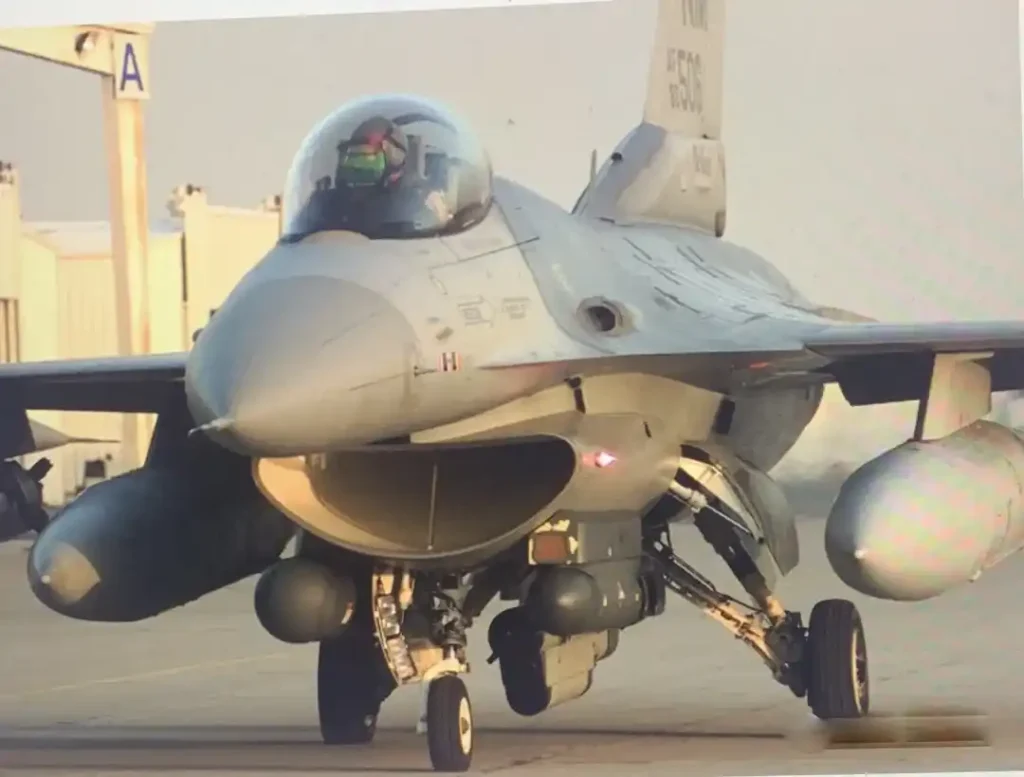
The operational history of the F-16E/F Block 60 underscores its reliability and effectiveness in real-world combat scenarios. Notably, during the 2015 Yemen conflict, this fighter jet demonstrated its precision strike capability in a challenging desert environment. The integration of AESA radar, advanced sensor fusion, and robust electronic warfare systems provided the pilots with unparalleled situational awareness and the ability to execute high-precision ground strikes under hostile conditions.
The success in Yemen not only validated the Block 60’s design philosophy but also cemented its reputation as a formidable combat aircraft capable of operating in some of the most challenging environments on the planet. The lessons learned and the technological advancements proven in these operations have paved the way for subsequent developments, influencing newer variants such as the F-16V (Block70/72), which have seen further enhancements in radar technology and avionics.
Global Impact and Future Prospects
The influence of the F-16E/F Block 60 extends far beyond the borders of the Middle East. Its groundbreaking design and operational success have inspired international interest and subsequent procurement by other nations seeking advanced multirole capabilities. The technological innovations introduced in the Block 60 have laid the groundwork for future fighter jet developments, ensuring that the legacy of the F-16 platform continues to evolve.
Catalyst for the F-16V Development
The advancements showcased in the Block 60 served as a direct precursor to the development of the F-16V (Block70/72) variant. Building on the Block 60’s innovations, the F-16V further enhances the aircraft’s capabilities with a new generation of radar—the AN/APG-83 AESA—and additional refinements in avionics and structural design. This evolution not only underscores the Block 60’s influence but also demonstrates the enduring adaptability of the F-16 platform to meet emerging threats and technological challenges.
Enhanced Export Value and Strategic Partnerships
For export customers, the F-16E/F Block 60 offers an exceptional balance of performance, reliability, and cost-effectiveness. Its success in operational theaters, combined with continuous upgrades and a robust support infrastructure, makes it an attractive proposition for nations aiming to modernize their air forces. Strategic partnerships forged through these exports have not only strengthened defense alliances but have also contributed to the global evolution of fighter jet technology.
Future Technological Trajectories
Looking ahead, the advancements pioneered by the Block 60 are expected to influence broader trends in military aviation. The integration of digital control systems, advanced sensor fusion, and high-performance propulsion will likely become standard features in next-generation combat aircraft. As emerging technologies such as artificial intelligence, network-centric warfare, and autonomous systems further evolve, the legacy of the F-16E/F Block 60 will serve as a benchmark for innovation in air superiority and precision strike operations.
Technical Specifications and Weapon Integration
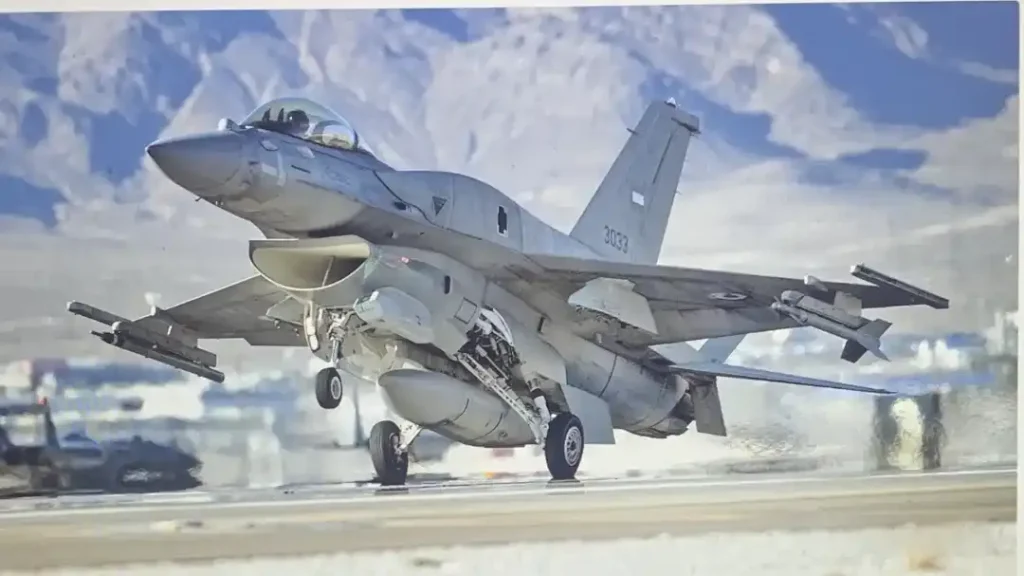
The engineering excellence of the F-16E/F Block 60 is further exemplified by its meticulously detailed technical specifications, which have been optimized to ensure maximum operational efficiency in diverse combat scenarios.
Engine and Performance Metrics
| Parameter | Specification |
|---|---|
| Engine Model | GE F110-GE-132 |
| Thrust | 144.6 kN (32,000 lbs) |
| Thrust Increase | 13% higher than F110-GE-129 |
| Maximum Takeoff Weight | 23.6 tonnes |
| Combat Range | 4,220 kilometers |
| Acceleration | 0.9 Mach to 1.5 Mach in 48 seconds |
Avionics and Sensor Suite
| System | Feature |
|---|---|
| Radar System | AN/APG-80 AESA, 370 km detection range |
| Electronic Warfare | Falcon Edge, ALQ-254(V)1, ALE-50 decoy |
| Infrared Targeting | AN/AAQ-32 IFTS integrated with LITENING pod |
| Cockpit Displays | Three 20×25 cm multi-touch color screens |
| Head-Up Display (HUD) | Wide-angle holographic display |
The comprehensive integration of these specifications not only ensures superior combat performance but also reflects a commitment to leveraging every possible technological advantage in modern aerial warfare.
Operational Flexibility in Modern Battlefields
The F-16E/F Block 60 is engineered for operational excellence across a myriad of combat environments. Whether engaging in high-intensity aerial dogfights or executing precision ground strikes, its multi-role capabilities are designed to adapt to rapidly changing battle scenarios. This adaptability is crucial in modern warfare, where flexibility and rapid response can decisively influence mission outcomes.
Air Superiority Missions
In air superiority roles, the Block 60’s advanced radar and missile integration allow it to engage multiple targets simultaneously. The aircraft’s ability to track and lock onto adversary aircraft, even in cluttered electronic environments, ensures that it can dominate contested airspaces with surgical precision. The integration of AIM-120D and AIM-9X missiles provides a lethal combination of long-range engagement and close-in dogfighting capabilities.
Precision Strike and Suppression
For ground attack missions, the precision and reliability of the F-16E/F Block 60 are unmatched. The aircraft’s sensor fusion technology allows for pinpoint targeting of enemy installations, while its advanced weapons integration ensures that it can deliver a diverse range of munitions with exceptional accuracy. This dual capability is particularly valuable in counter-airfield and suppression of enemy air defenses (SEAD) missions, where precision is paramount.
Specialized Mission Configurations
The versatility of the Block 60 is further demonstrated by its ability to be reconfigured for specialized missions. When operating in “Beast Mode,” the aircraft is capable of carrying an extraordinary payload of up to 8.7 tonnes. This configuration enables the Block 60 to execute complex strike missions that require the simultaneous deployment of multiple weapon systems, a feature that has proven invaluable in asymmetric warfare scenarios.
Integrated Systems and Digital Command
The digital backbone of the F-16E/F Block 60 plays a pivotal role in its operational success. The aircraft’s integrated systems not only provide real-time data to the pilot but also facilitate seamless coordination with ground control and other allied assets. This network-centric approach to warfare ensures that the Block 60 remains a critical node in modern military operations, capable of both independent and collaborative engagements.
Real-Time Data and Situational Awareness
Equipped with advanced data links and secure communication protocols, the Block 60 constantly exchanges tactical information with other units in the field. This real-time data exchange enables coordinated strikes and enhances overall mission effectiveness. The pilot benefits from an augmented reality interface that merges live sensor feeds, tactical maps, and threat assessments into a single, intuitive display.
Cybersecurity and Electronic Resilience
In an era where cyber warfare is a significant concern, the F-16E/F Block 60 incorporates robust cybersecurity measures to safeguard its digital systems. The integration of hardened software and encrypted communications ensures that the aircraft’s critical systems remain secure against electronic and cyber threats, maintaining operational integrity even in contested digital environments.
Conclusion: Setting the Benchmark for Modern Fighter Jets
The F-16E/F Block 60 is not merely an upgraded fighter jet—it is a symbol of technological evolution and strategic foresight. Its revolutionary design, incorporating advanced propulsion, state-of-the-art avionics, and comprehensive combat systems, sets a new benchmark in aerial warfare. Through its meticulous engineering and relentless pursuit of excellence, the Block 60 has redefined the capabilities of multirole combat aircraft, influencing both current operational doctrines and future fighter jet development.
From its inception as a collaborative development project between the United States and the UAE, to its proven combat record in challenging environments, the F-16E/F Block 60 stands as a testament to innovation, precision, and adaptability. Its enduring impact on modern air combat is evident not only in its operational success but also in its role as a catalyst for subsequent advancements in fighter jet technology.
The integration of cutting-edge sensor fusion, advanced electronic warfare suites, and unparalleled engine performance ensures that the Block 60 remains a formidable presence in the skies. As nations worldwide continue to seek advanced and reliable aerial platforms, the legacy of the F-16E/F Block 60 will undoubtedly continue to influence the future trajectory of military aviation, setting the stage for innovations that will shape the next generation of combat aircraft.
In the realm of fighter jets, where precision, speed, and adaptability are paramount, the F-16E/F Block 60 not only meets these challenges—it exceeds them. The aircraft’s blend of heritage and innovation offers a unique insight into how established platforms can be transformed into modern masterpieces, capable of dominating the complexities of today’s global security environment.
Through its unmatched blend of performance, versatility, and technological innovation, the F-16E/F Block 60 has cemented its status as a revolutionary force in aerial combat. Its impact resonates across the defense community, inspiring new developments and driving forward the boundaries of what is possible in modern fighter jet design.