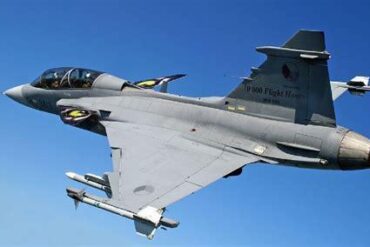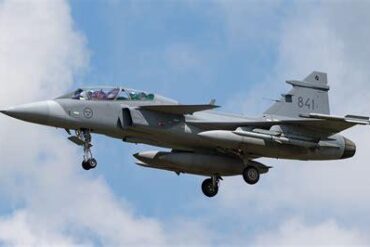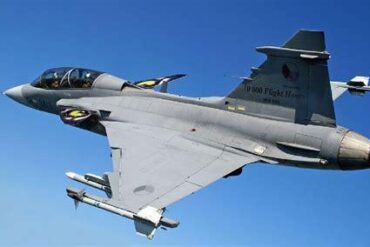
The F-16V Block 70/72 and JAS-39 Gripen NG represent two of the most advanced 4.5-generation fighter jets in modern warfare. As nations weigh their defense needs, these aircraft offer distinct advantages depending on mission requirements, operational environments, and budget constraints. This analysis provides an in-depth comparison based on technical performance, combat applicability, and recent geopolitical developments.
Technical Performance Comparison
Power and Range
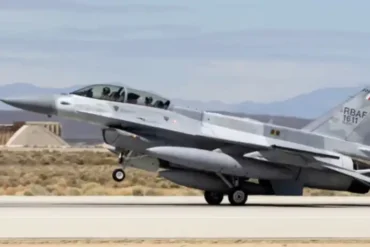
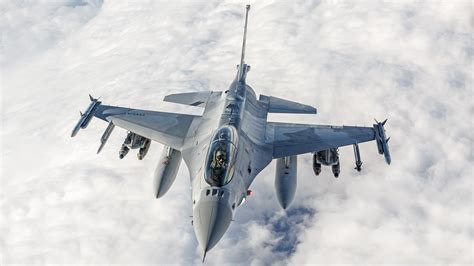
The F-16V Block 70/72, equipped with the General Electric F110-GE-132 engine, produces 144.6 kN of thrust. Its operational radius extends to 1,800 km with conformal fuel tanks, and ferry range exceeds 4,000 km. This enables extended-range operations without frequent refueling.
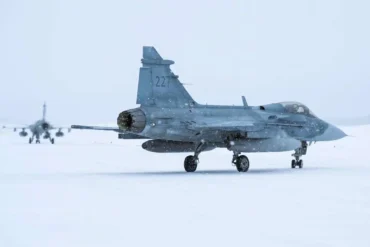
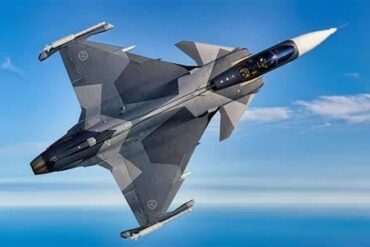
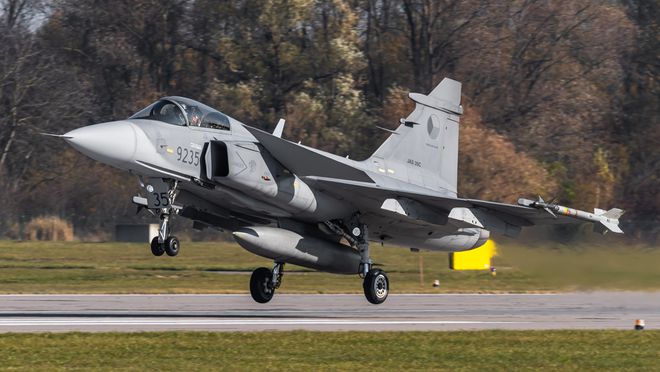
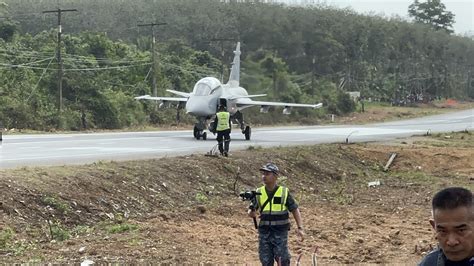
Conversely, the JAS-39 Gripen NG utilizes the F414G engine, generating 98 kN of thrust. Its operational radius reaches 1,300 km, with a maximum ferry range of 4,070 km. The Gripen excels in short-takeoff-and-landing (STOL) operations, including highway-based deployments.
Radar and Avionics
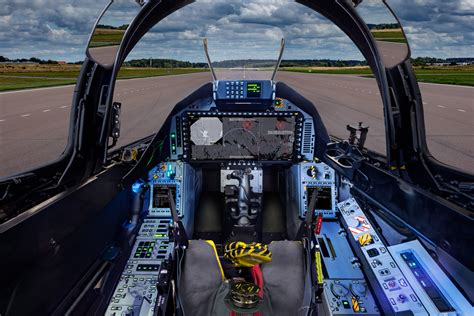
The F-16V incorporates the AN/APG-83 AESA radar, enhancing multi-target tracking, terrain following, and electronic warfare capabilities. Its cockpit integrates three large multi-function color displays (MFCDs) with a modernized Joint Helmet-Mounted Cueing System (JHMCS II) for superior situational awareness.
The Gripen NG, in contrast, features the ES-05 Raven AESA radar, offering enhanced electronic warfare (EW) and network-centric warfare (NCW) compatibility. Its minimalist cockpit layout maximizes pilot efficiency, reducing workload and improving reaction time.
Weapons and Payload
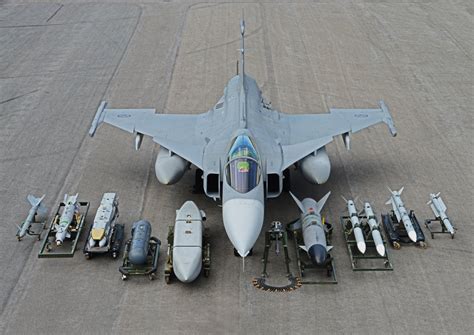
The F-16V offers superior payload capacity, with 12 hardpoints, supporting a diverse arsenal including AIM-120 AMRAAMs, AGM-154 JSOWs, and AGM-88 HARM anti-radiation missiles. The aircraft is fully NATO-compatible, benefiting from a vast ecosystem of interchangeable weapons.
The Gripen NG features 10 hardpoints and can deploy the highly effective MBDA Meteor beyond-visual-range air-to-air missile (BVRAAM) and IRIS-T short-range air-to-air missile (SRAAM). However, a fully loaded Gripen experiences slight maneuverability trade-offs due to its lower thrust-to-weight ratio.
Maneuverability and Combat Endurance
The F-16V emphasizes high agility and close-combat performance, with a thrust-to-weight ratio of 0.91, enabling it to perform sustained high-G maneuvers.
The Gripen NG, although slightly less powerful, compensates with superior aerodynamics and canard-delta wing configuration, enhancing energy retention during dogfights. This design also supports supercruise capability, allowing the aircraft to sustain supersonic speeds without afterburners, a significant advantage in long-range engagements.
Combat Applicability and Deployment
F-16V: Advantages in Large-Scale Operations
- NATO Interoperability: The F-16V is deployed across over 25 air forces, making it the most widely supported multirole fighter in the world.
- Multi-Role Capabilities: Excels in air superiority, close air support (CAS), and suppression of enemy air defenses (SEAD). The F-16’s ability to launch AGM-88 HARMs makes it particularly effective in anti-radar operations.
- Established Training Infrastructure: Over 4,000 pilots have been trained on F-16 platforms, ensuring a mature logistical and operational ecosystem.
Gripen NG: Flexibility and Cost-Effectiveness
- Low Maintenance Requirements: The Gripen NG has a per-hour flight cost of approximately $4,700, significantly lower than the F-16V’s $8,000+.
- STOL Capabilities: Can operate from highways, dirt runways, and remote airstrips, providing tactical flexibility in asymmetric conflicts.
- Rapid Deployment: Swedish pilot training for Ukrainian Air Force integration suggests that Gripen NGs may enter service faster than F-16Vs due to fewer operational constraints.
Geopolitical and Market Considerations
Ukraine’s Strategic Considerations
Ukraine has prioritized the F-16V to integrate into NATO’s air doctrine. However, due to supply chain delays, Sweden has proposed delivering the Gripen NG as an interim solution. The Gripen’s ability to operate from damaged or makeshift runways aligns with Ukraine’s needs for resilient air operations.
Global Market Trends
The F-16V dominates the market as an international fighter, with large-scale contracts from Taiwan, Bulgaria, and Bahrain. In contrast, the Gripen NG targets smaller air forces seeking cost-effective yet capable multi-role platforms. Sweden’s demonstrated political flexibility in arms exports has positioned the Gripen as an attractive alternative for non-NATO states.
Final Assessment: Which Fighter is Superior?
| Feature | F-16V Block 70/72 | JAS-39 Gripen NG |
|---|---|---|
| Max Speed | 2,173 km/h | 2,200 km/h (Mach 2) |
| Combat Radius | 1,800 km (with CFTs) | 1,300 km |
| Hardpoints | 12 | 10 |
| Maintenance Cost | High | Low |
| Operational Flexibility | Requires Airbases | Can Use Highways |
Conclusion: The F-16V is the superior choice for large-scale air dominance and NATO integration, while the Gripen NG excels in cost-efficiency, rapid deployment, and infrastructure-independent operations. Ukraine’s decision to acquire both reflects a strategic balance between long-term air superiority and immediate battlefield adaptability.
FAQ: F-16V vs. JAS-39 Gripen NG
1. Why is the F-16V more widely used than the Gripen NG?
The F-16V benefits from decades of operational history, extensive NATO compatibility, and global logistical support networks, making it the preferred choice for air forces seeking proven combat effectiveness.
2. Can the Gripen NG outperform the F-16V in air-to-air combat?
The Gripen NG has superior supercruise capability and advanced electronic warfare systems, which can provide advantages in beyond-visual-range engagements. However, the F-16V’s more powerful engine and larger payload capacity give it an edge in prolonged engagements.
3. Which aircraft is better for smaller nations with limited defense budgets?
The Gripen NG is the better choice due to its lower maintenance costs, highway operation capability, and simplified logistics, making it ideal for nations with limited military infrastructure.