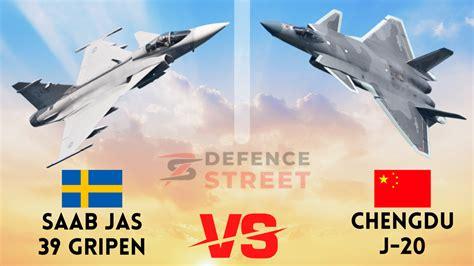
When comparing China’s J-20 Mighty Dragon with Sweden’s JAS 39 Gripen, we are looking at two distinct philosophies in modern fighter aircraft design. The J-20 is a fifth-generation stealth fighter created for air superiority and deep penetration missions, while the Gripen is a fourth-generation multirole fighter optimized for agility, cost-effectiveness, and operational flexibility. These differences influence not only their technical specifications but also their roles on the modern battlefield.
Design Philosophies and Origins
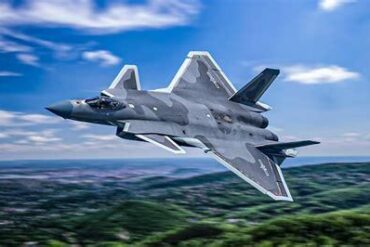
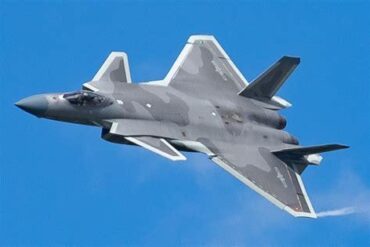
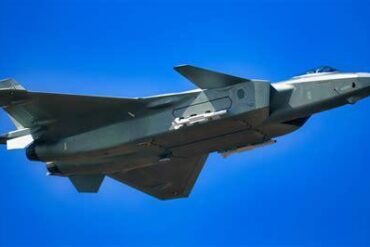
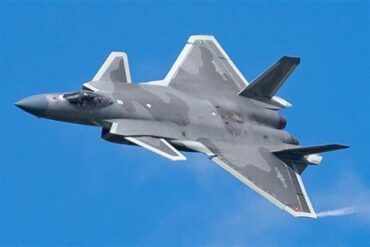
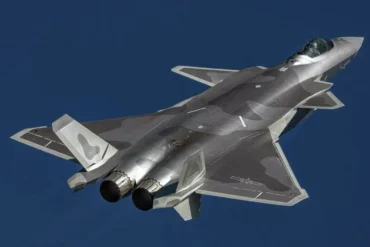
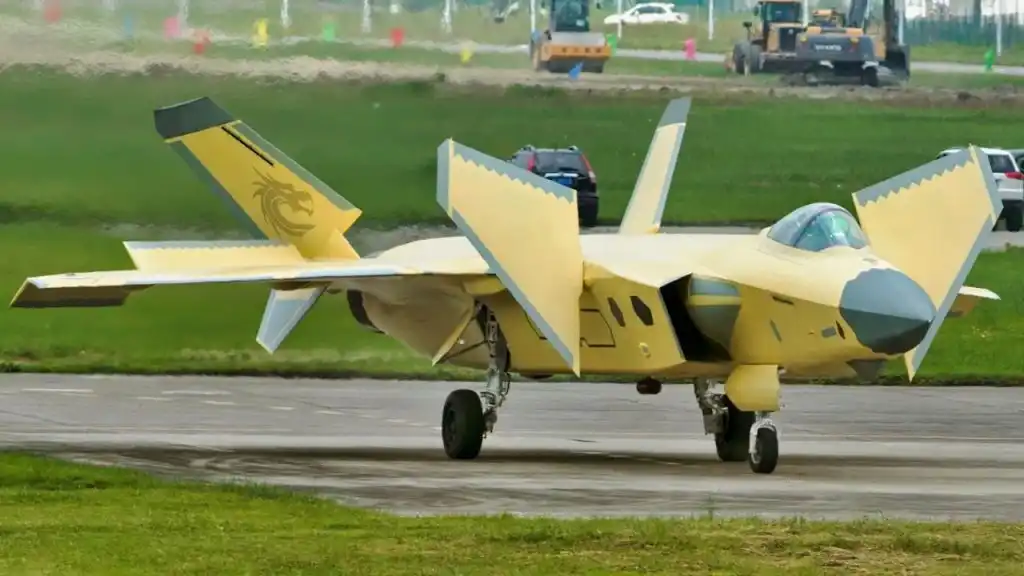
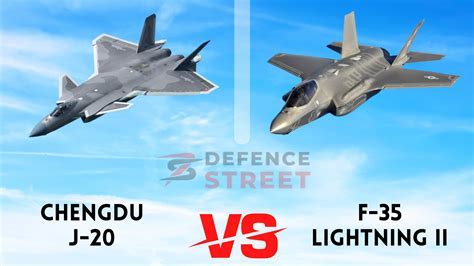
The Chengdu J-20 Mighty Dragon was first flown in 2011 and represents China’s most advanced combat aircraft. Developed by Chengdu Aerospace Corporation, it was built to rival America’s F-22 Raptor and F-35 Lightning II. It is designed to counter U.S. and allied air dominance in the Indo-Pacific, employing stealth, long-range sensors, and advanced avionics. Its large airframe accommodates significant fuel storage, powerful engines, and internal weapon bays—critical for stealth performance.
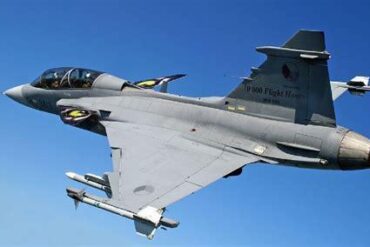
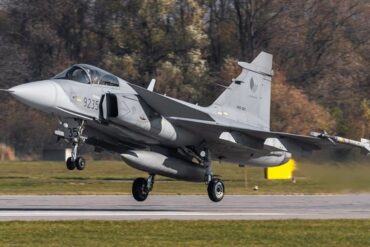
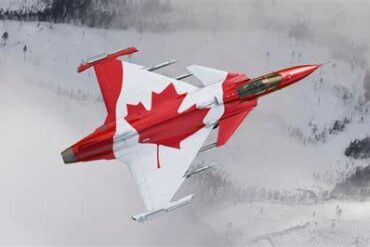
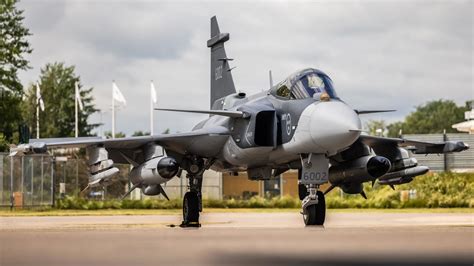
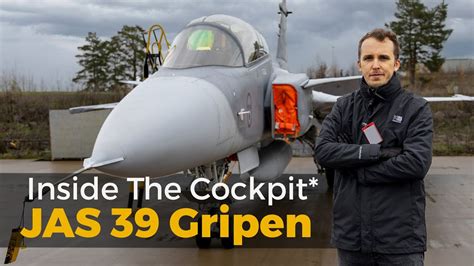
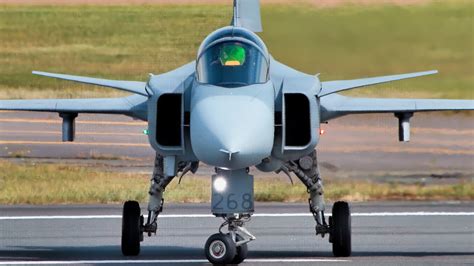
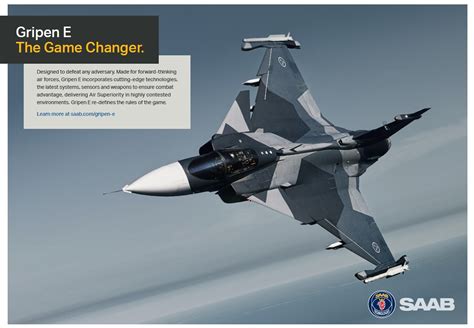
In contrast, the Saab JAS 39 Gripen, first flown in 1988, embodies Sweden’s philosophy of building a cost-efficient, easy-to-maintain fighter. The latest Gripen E/F variants, entering service in the 2020s, incorporate fifth-generation avionics and data links while maintaining affordability. Saab designed the Gripen to operate from short or improvised runways, allowing it to deploy from remote bases and disperse quickly—a defensive tactic rooted in Sweden’s Cold War doctrine.
Airframe and Stealth Profile
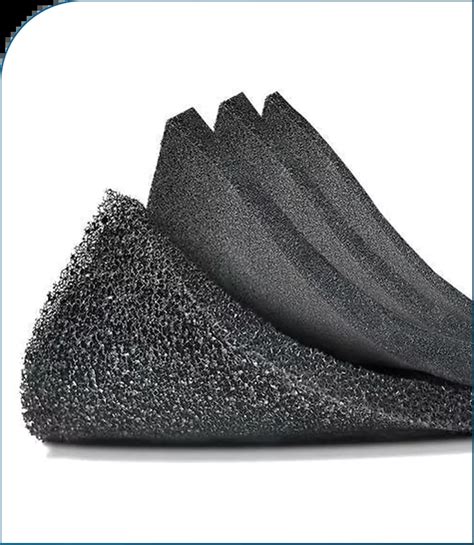
The J-20’s airframe is optimized for a low radar cross-section (RCS). Its canted vertical stabilizers, DSI (diverterless supersonic inlet) air intakes, and radar-absorbent coatings reduce detectability. Weapons are stored internally, minimizing radar reflections. The aircraft’s overall shape is designed for beyond-visual-range (BVR) engagements, where the first shot often decides the outcome.
The Gripen, while not a stealth aircraft, incorporates reduced radar signature measures such as radar-absorbent materials and careful shaping of its canard-delta wing layout. Its smaller size naturally lowers its radar footprint, but external weapon carriage makes it more visible to modern radar systems.
Powerplant and Performance
The J-20 is currently powered by twin WS-10C afterburning turbofans, producing a combined thrust of about 284 kN. This power allows for high altitude operations, faster climb rates, and extended range—combat radius is estimated at 1,200 km. Future upgrades may include the WS-15 engine, enabling supercruise (sustained supersonic flight without afterburners) and even greater thrust.
The Gripen E uses a single GE F414G turbofan delivering approximately 98 kN of thrust. While less powerful than the J-20’s setup, the Gripen’s lightweight airframe ensures excellent acceleration and agility. Its combat radius is around 800 km, but its ability to refuel midair and operate from dispersed locations compensates for this limitation.
Avionics and Sensor Suite
The J-20 features an AESA (Active Electronically Scanned Array) radar, advanced electro-optical targeting systems, and extensive sensor fusion capabilities. Its mission systems integrate radar, infrared, and electronic warfare data into a unified picture, enhancing situational awareness. This technology enables it to detect targets at long range while remaining hidden.
The Gripen is equipped with the PS-05/A Mk4 radar in earlier variants and the Raven ES-05 AESA radar in the Gripen E. Combined with its passive infrared search and track (IRST) and advanced electronic warfare suite, the Gripen excels at electronic countermeasures, potentially disrupting enemy missile locks and radar tracking.
Armament and Combat Capability
J-20 Mighty Dragon:
- Internal weapons bays for reduced RCS
- PL-15 BVR missiles with ranges exceeding 200 km
- PL-10 short-range infrared-guided missiles
- Designed for first-look, first-shot, first-kill capability
JAS 39 Gripen:
- Can carry Meteor BVR missiles with ramjet propulsion, maintaining high speed over long distances
- IRIS-T or AIM-9 Sidewinder short-range missiles
- Wide array of air-to-ground munitions, anti-ship missiles, and reconnaissance pods
- Fully NATO-compatible loadouts
The Meteor missile is one of the few systems that could challenge the PL-15 in certain conditions, giving the Gripen a credible BVR deterrent despite its lack of stealth.
Operational Roles
The J-20 is primarily an air dominance fighter with a strategic role. It is a core asset in China’s anti-access/area denial (A2/AD) strategy, designed to keep adversaries at bay in contested airspace. Long-range sensors and missiles allow it to neutralize threats before they can engage.
The Gripen, however, is a multirole workhorse. It can switch from air-to-air combat to close air support within the same mission. It has been tested extensively in NATO operations and is trusted for joint interoperability. Countries like Brazil, South Africa, Hungary, and Thailand operate it effectively in varied environments.
Cost and Logistics
The J-20 costs an estimated $120 million per unit, with high operational expenses due to its size, complexity, and stealth coatings. It requires specialized maintenance facilities and a robust logistics chain.
The Gripen E costs roughly $60–$85 million per unit, with some of the lowest operating costs in its category. Its modular design allows for quick repairs and easy upgrades, and it can be serviced in the field with minimal infrastructure.
Comparison Table
| Specification | J-20 Mighty Dragon | JAS 39 Gripen E |
|---|---|---|
| Generation | 5th | 4th+ |
| Origin | China | Sweden |
| First Flight | 2011 | 1988 (E: 2016) |
| Engines | 2 × WS-10C (284 kN) | 1 × F414G (98 kN) |
| Combat Radius | ~1,200 km | ~800 km |
| Max Speed | Mach 2.0+ | Mach 2.0 |
| Stealth | High | Moderate |
| BVR Missile | PL-15 | Meteor |
| Unit Cost | ~$120M | ~$60–85M |
| Operational Role | Air superiority, deep strike | Multirole, flexible ops |
Hypothetical Head-to-Head Scenario
In BVR combat, the J-20 holds the advantage. Its stealth profile and longer detection range would likely allow it to engage the Gripen before being seen. With PL-15 missiles and advanced radar, the J-20 could neutralize threats from distances beyond the Gripen’s engagement window.
However, if the Gripen closed the distance, its agility, Meteor missile, and electronic warfare capabilities could turn the tide. In a close-range dogfight, the smaller Swedish jet might outmaneuver the larger Chinese fighter.
Strategic Value and Context
Determining which is “better” depends on the mission profile:
- For high-intensity warfare against advanced opponents: J-20 is superior
- For cost-efficient multirole operations and allied interoperability: Gripen is optimal
The J-20 offers cutting-edge stealth and range, making it a strategic asset for China’s long-term air power projection. The Gripen offers flexibility and value, making it appealing to nations that require a capable fighter without the high costs of fifth-generation platforms.
FAQ
1. Can the JAS 39 Gripen defeat the J-20 in combat?
Yes, but only under specific conditions. If the Gripen can survive the initial long-range engagement and force the fight into close quarters, its agility and electronic warfare systems could give it a chance.
2. Why is the J-20 more expensive than the Gripen?
The J-20’s stealth materials, twin-engine configuration, and advanced sensor fusion systems significantly increase development and maintenance costs compared to the simpler, modular design of the Gripen.
3. Which countries are most likely to operate against the J-20?
Potential operators facing the J-20 include Japan, South Korea, Taiwan, Australia, and possibly Sweden’s allies in a NATO context, depending on future geopolitical tensions.