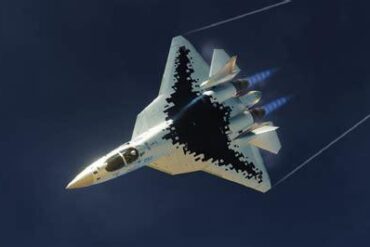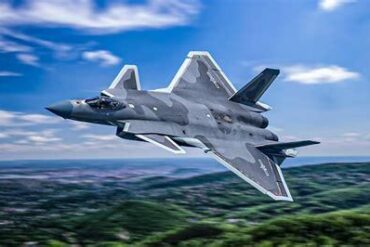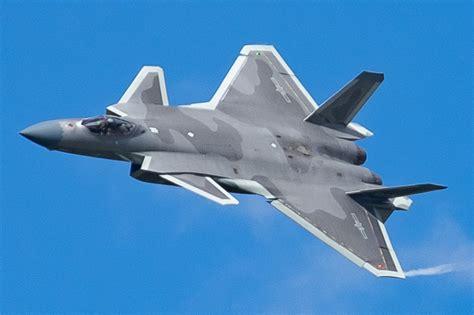
When discussing modern fifth-generation stealth fighters, two names often come into the spotlight in the East: China’s J-20 Mighty Dragon and Russia’s Su-57 Felon. These aircraft represent the pinnacle of each country’s aerospace engineering capabilities. However, while both were conceptualized as stealthy, next-gen fighters, they sit on opposite ends of the capability and production spectrum.
In this comprehensive analysis, we explore the technical, industrial, and strategic dimensions of the J-20 vs. Su-57 rivalry—and why the balance tilts heavily in favor of China.
China’s J-20: A Genuine Stealth Fighter in Mass Production
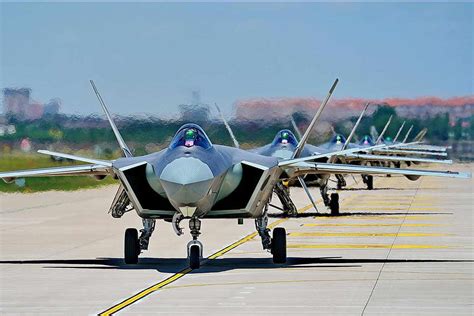
The Chengdu J-20 Mighty Dragon is the crown jewel of the People’s Liberation Army Air Force (PLAAF). First revealed publicly in 2011 and officially inducted in 2017, the J-20 has evolved rapidly. What sets it apart isn’t just the design or features, but China’s ability to mass-produce it at scale.
Stealth Design and Low Observability
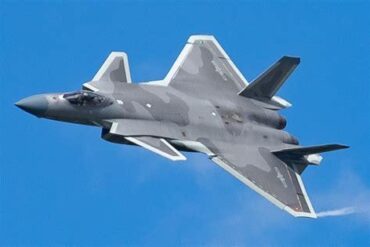
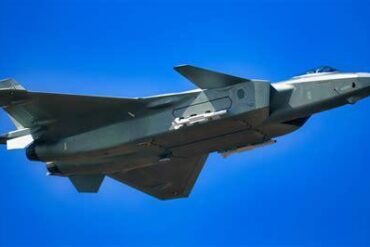
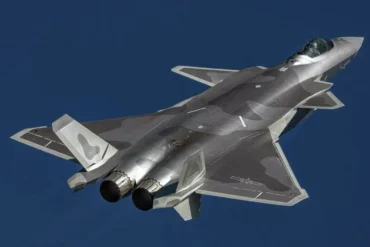
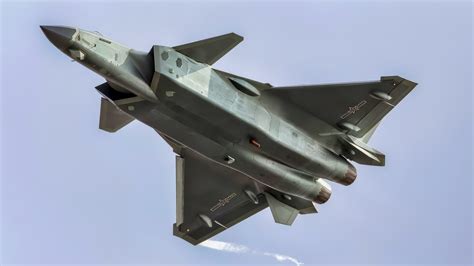
The J-20 features a chiseled frontal design, with canted vertical stabilizers and a blended fuselage to reduce radar cross-section (RCS). Unlike the Su-57, the J-20 emphasizes frontal stealth—a critical factor in modern beyond-visual-range (BVR) engagements. Its diverterless supersonic inlets (DSI), angular airframe, and internal weapons bays further contribute to its low observability.
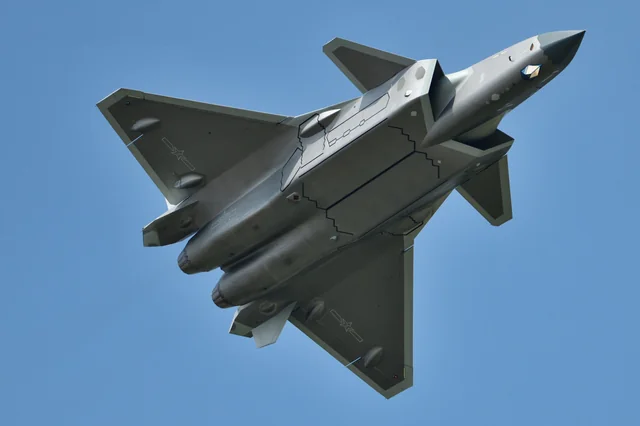
While early J-20 prototypes used the Russian AL-31F engine, the latest production variants are equipped with China’s domestically-developed WS-10C and testbeds with the advanced WS-15—which promises supercruise and improved thrust-to-weight ratios. This shift toward engine independence is a major milestone, distancing China from its historical dependence on Russian propulsion tech.
Combat Role and Futureproofing
The J-20 is optimized for long-range interception and air superiority missions. Its large internal fuel capacity and weapons bays indicate its design for penetrating deep into contested airspace. Newer two-seat variants suggest a shift toward AI-enabled operations, where the backseater could manage drone swarms or loyal wingmen in complex air operations.
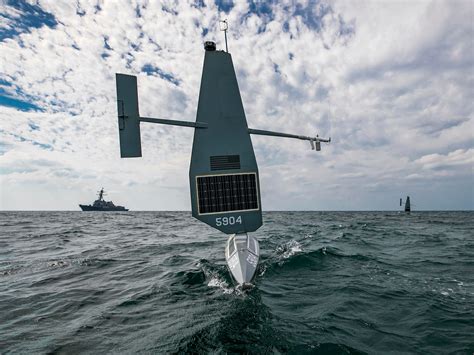
China’s stealth ecosystem is not limited to the J-20. Parallel developments such as the J-35 carrier-based stealth fighter and H-20 stealth bomber reveal a vertically integrated stealth strategy that Russia has yet to match.
Russia’s Su-57: Capable but Fundamentally Flawed
The Sukhoi Su-57 Felon was intended to be Russia’s answer to the F-22 and F-35, incorporating stealth, supermaneuverability, and multirole capabilities. But more than a decade after its maiden flight, the Su-57 remains plagued by production bottlenecks, stealth compromises, and limited deployment.
Stealth That Falls Short
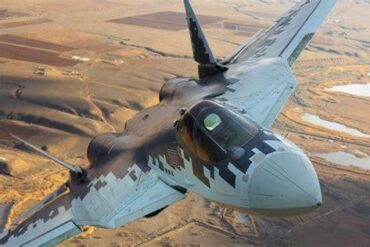
While the Su-57 features stealth-inspired elements like internal weapons bays and reduced radar signatures from the front, its design shows significant radar weaknesses, particularly from the rear. The exposed engine nozzles, lack of radar-diffusing shaping, and limited radar-absorbent coatings reveal its inferior stealth profile.
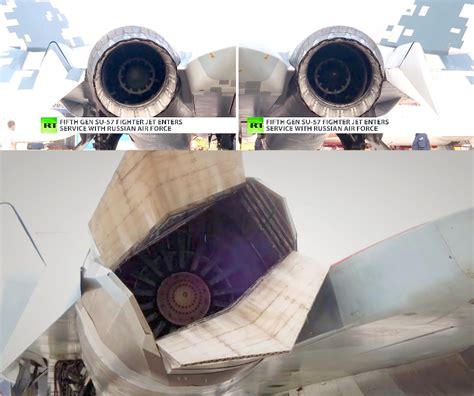
Even the Center for European Policy Analysis (CEPA) labeled the Su-57 a “fraud” in terms of stealth. Its RCS is reportedly comparable to fourth-generation fighters, severely compromising its survivability in high-threat environments dominated by long-range air-to-air missiles and advanced sensors.
Production Chaos and Strategic Irrelevance
Despite years of hype, Russia has only produced fewer than 30 operational Su-57 units by 2025, with original orders capped at 76 aircraft. Sanctions, industrial limitations, and technical issues have severely hampered progress. Reports indicate that only a third of the ordered fleet has been delivered to date.
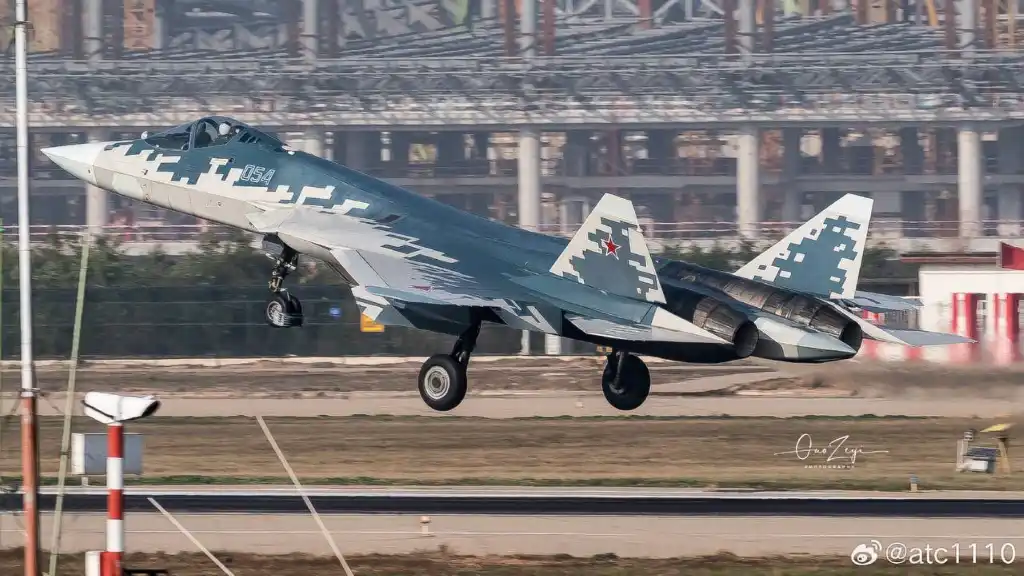
Furthermore, foreign interest is virtually nonexistent. Rumors of Su-57 exports to countries like India, Algeria, or Iran have all failed to materialize. The jet’s engine trouble during Aero India 2025, where a prototype landed unexpectedly in Iran, highlighted its reliability concerns.
Industrial Capacity: The Real Game-Changer
The most decisive factor in the J-20 vs. Su-57 debate is production capacity. China’s aerospace industrial base is extensive, well-funded, and strategically prioritized. Chengdu Aircraft Corporation reportedly delivers up to 100 J-20 units annually, with estimates placing the total fleet size at over 800 aircraft as of 2025.
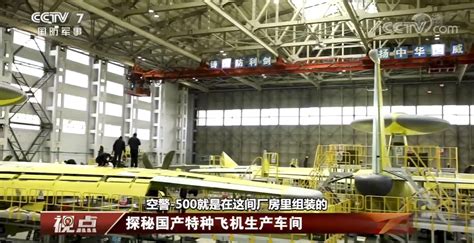
Russia’s United Aircraft Corporation (UAC), in contrast, struggles to meet even modest production goals. Even with new facilities and Kremlin support, the Su-57 remains an elite boutique platform, not a force multiplier.
The Bigger Picture: Strategic and Tactical Deployment
China deploys the J-20 across multiple strategic theaters, including the Eastern and Southern Theater Commands, where it faces U.S., Japanese, and Taiwanese forces. The jet’s range, networked sensors, and data fusion capabilities make it a true fifth-generation weapon, integrated into a system-of-systems warfare doctrine.
Russia, by contrast, has limited use cases for the Su-57, and it has seen minimal deployment in Ukraine—partly to avoid combat losses that would expose its limitations. Unlike China, Russia lacks the infrastructure to fully exploit the aircraft’s capabilities at scale.
Side-by-Side Comparison: J-20 vs. Su-57
| Feature | J-20 Mighty Dragon | Su-57 Felon |
|---|---|---|
| Origin | China | Russia |
| First Flight | 2011 | 2010 |
| Service Entry | 2017 | 2020 (limited) |
| Fleet Size (2025) | ~800 | <30 |
| Production Rate (Annual) | ~100 units | <10 units |
| Engines | WS-10C / WS-15 (in testing) | AL-41F1 (Izdeliye 117) |
| Stealth Profile | Excellent frontal RCS, advanced RAM coating | Poor rear stealth, exposed engine nozzles |
| Cockpit Configuration | Single and dual-seat variants | Single-seat only |
| Multirole Capability | Air superiority, strike, UAV coordination | Air superiority, limited multirole |
| Export Interest | High (future J-35 naval variant) | Low to none |
Who Wins?
When analyzing J-20 vs. Su-57, the victor is unambiguous. The J-20 Mighty Dragon is more stealthy, more scalable, and embedded within a superior defense industrial ecosystem. Its continuous evolution—both in terms of technology and deployment concepts—makes it one of the most formidable stealth fighters in the world.
In contrast, the Su-57 suffers from a mismatch between ambition and execution. While it possesses supermaneuverability and an impressive sensor suite, its failure to achieve true stealth, coupled with crippling production issues, renders it strategically underwhelming.
This isn’t just a matter of which plane is better—it’s about which country can sustain, scale, and evolve its next-generation airpower. On that front, China is far ahead.
FAQ: J-20 vs. Su-57
Is the J-20 more stealthy than the Su-57?
Yes. The J-20 has superior frontal stealth, better radar-absorbing materials, and cleaner engine integration. In contrast, the Su-57 lacks rear stealth and suffers from legacy design compromises.
How many J-20s has China built compared to Su-57s in Russia?
As of 2025, China has reportedly built over 800 J-20 units, while Russia has produced fewer than 30 Su-57s. The production disparity is vast and growing.
Can the Su-57 defeat the J-20 in combat?
In a direct air-to-air matchup, the J-20 would likely dominate due to its stealth advantage, better sensors, and superior network integration. The Su-57’s strengths in maneuverability are unlikely to compensate for its detection disadvantages in a BVR (Beyond Visual Range) engagement.