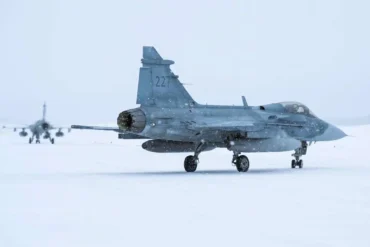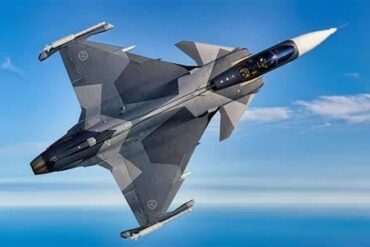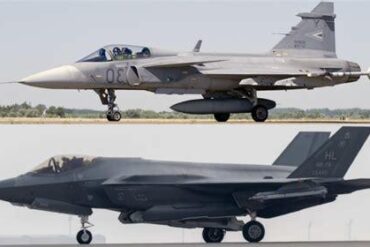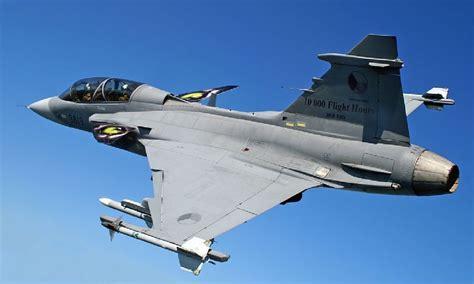
When comparing the Swedish JAS 39 Gripen to China’s J-35 stealth fighter, we are not simply evaluating two aircraft—we are examining two fundamentally different air combat philosophies. One prioritizes stealth and first-strike dominance, the other focuses on agility, operational flexibility, and electronic warfare supremacy. Both jets have carved reputations in their respective spheres, but in a hypothetical confrontation, the balance of power shifts depending on the combat scenario.
Design Philosophy and Role
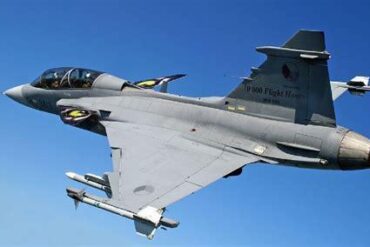
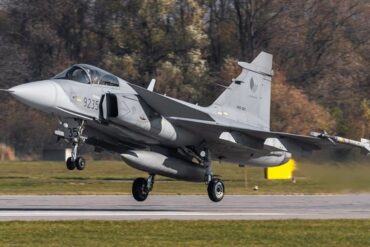
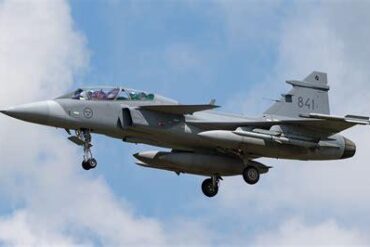
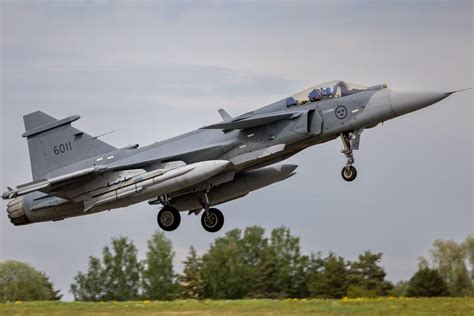
The JAS 39 Gripen, developed by Saab in Sweden, was designed as a lightweight, multirole fighter capable of performing air-to-air, air-to-ground, and reconnaissance missions with cost-effective operations. It embodies Sweden’s dispersed airbase strategy, allowing the fighter to operate from short, improvised runways, receive rapid turnarounds, and remain resilient in wartime conditions. This approach prioritizes combat persistence over sheer stealth.
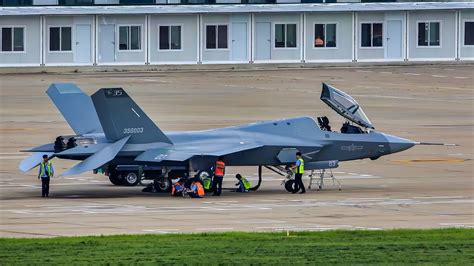
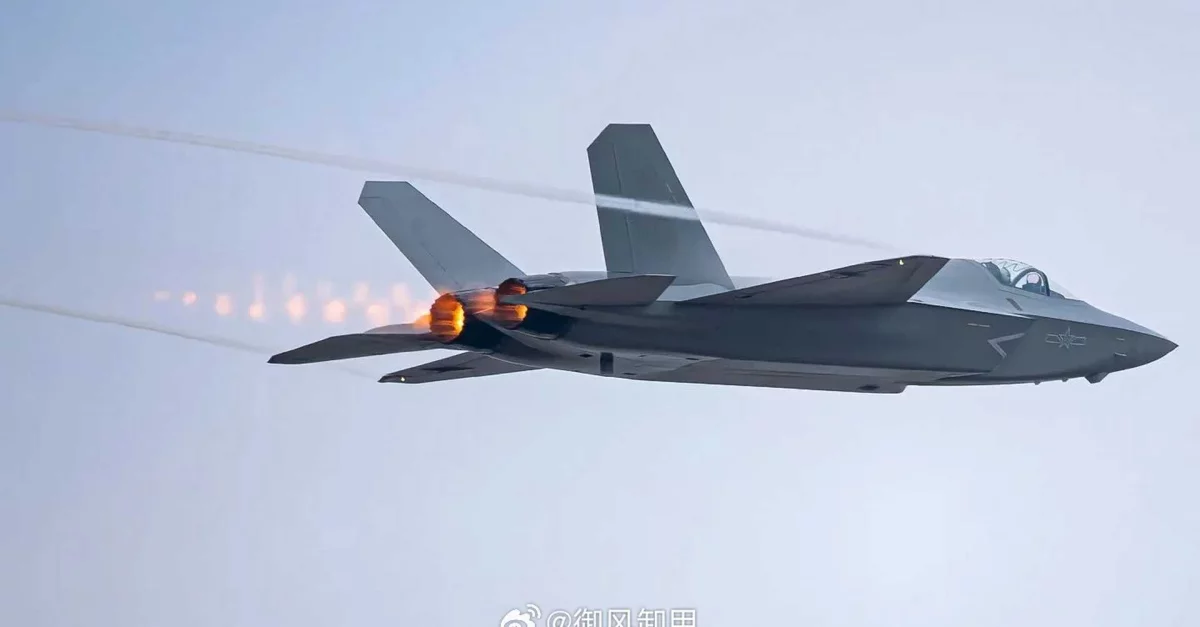
In contrast, China’s J-35—developed by the Shenyang Aircraft Corporation—is a 5th-generation carrier-based stealth fighter designed for power projection from aircraft carriers. Derived from the FC-31 prototype, the J-35 leverages low radar cross-section (RCS), advanced sensor fusion, and long-range precision strike capabilities to dominate in beyond-visual-range (BVR) engagements.
Technical Specifications Comparison
| Specification | JAS 39 Gripen E | J-35 |
|---|---|---|
| Origin | Sweden (Saab) | China (Shenyang Aircraft Corporation) |
| Role | Multirole fighter | Stealth carrier fighter |
| Generation | 4.5th | 5th |
| Top Speed | Mach 2 (1,500 mph) | Mach 1.8 (1,367 mph) |
| Range | 1,600 km (combat radius) | ~1,200 km (combat radius) |
| Service Ceiling | 50,000 ft | 50,000+ ft |
| Radar | AESA Raven ES-05 | AESA radar with sensor fusion |
| Stealth Features | Low observable with EW jamming | Full stealth shaping & coatings |
| Primary Strength | Agility, cost-efficiency, rapid deployment | Stealth, first-strike BVR capability |
The Gripen’s Combat Advantages
The JAS 39 Gripen has a reputation for exceptional agility and rapid roll rates, allowing it to outmaneuver opponents in close-range engagements. Equipped with an advanced electronic warfare suite, the Gripen can jam enemy radars, spoof incoming missiles, and reduce its detectability without sacrificing aerodynamic efficiency.
The aircraft also boasts low operational costs—reportedly one of the lowest among modern fighters—allowing allied nations to maintain higher sortie rates. Its ability to land and refuel on roads or short, improvised runways makes it difficult to neutralize in a first-strike campaign.
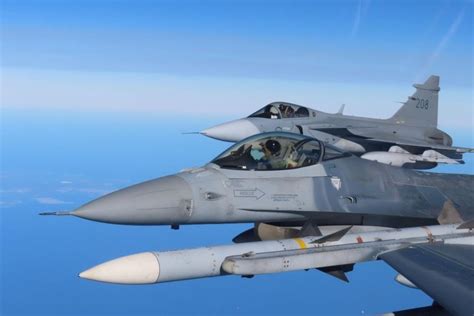
The Gripen E variant features longer range, enhanced radar, and increased payload capacity. Saab’s AI-assisted flight tests demonstrate its push toward future combat autonomy, giving pilots a powerful decision-making assistant in high-threat environments.
The J-35’s Combat Advantages
The J-35 is optimized for stealth penetration strikes, particularly from aircraft carriers like the Fujian-class. Its folding wings and reinforced landing gear allow compact storage and robust recovery during hard deck landings.
Stealth shaping minimizes detection, while sensor fusion technology integrates radar, infrared, and datalink inputs to provide pilots with 360° battlespace awareness. This gives the J-35 a first-look, first-shot advantage in BVR combat, enabling missile launches before opponents detect its presence.
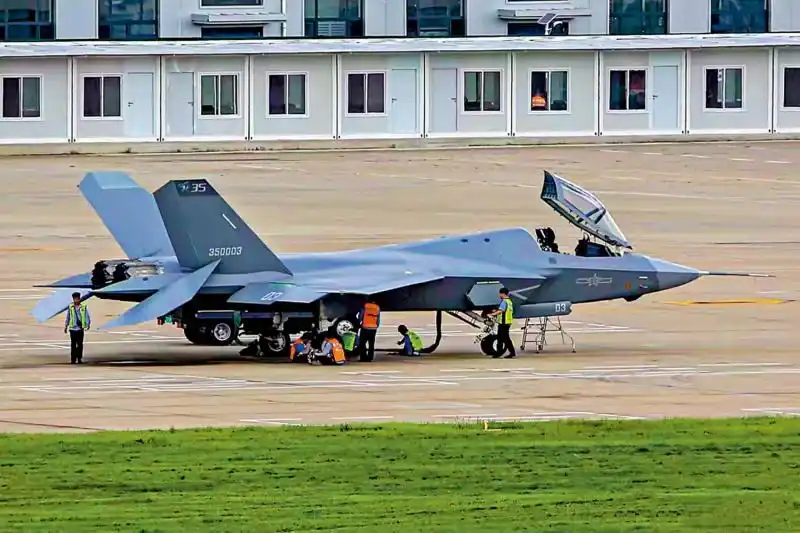
According to Chinese defense officials, the J-35 also emphasizes multi-domain coordination, meaning it can act as a network node, sharing targeting data with ships, drones, and other aircraft—a vital capability in carrier strike group operations.
Air Combat Scenario Analysis
In a beyond-visual-range battle, the J-35’s stealth and sensor advantage would allow it to engage before the Gripen detects a threat. Its reduced RCS and electronic counter-countermeasures (ECCM) could neutralize some of the Gripen’s jamming effectiveness. The likely outcome in such a scenario leans toward the J-35 landing the first decisive strike.
However, in close-quarters dogfighting, the situation changes. The Gripen’s agility, higher top speed, and superior instantaneous turn rate could overwhelm the J-35’s maneuverability, especially if stealth advantages are negated. The Gripen’s short-range IR missiles, combined with helmet-mounted sights, give it a lethal edge in tight engagements.
Operational and Strategic Considerations
Cost and logistics also influence combat readiness. The Gripen’s affordability and ease of maintenance mean it can be fielded in greater numbers and kept operational for longer periods. Smaller nations without large defense budgets can sustain Gripen fleets effectively.
Conversely, the J-35’s carrier capability gives China blue-water reach, allowing air superiority far from home shores. This is strategically valuable in maritime disputes, especially in the South China Sea and Taiwan Strait.
Future Outlook: Stealth vs. Electronic Warfare
Saab has openly stated its skepticism about the long-term value of stealth, predicting that advancements in radar detection technologies will erode stealth’s dominance within the next decade. Instead, the company invests heavily in electronic warfare systems that can adapt to evolving threats without compromising aerodynamics.
The J-35, meanwhile, represents China’s continued commitment to stealth-based platforms, paralleling the U.S. F-35 philosophy but optimized for carrier operations and regional power projection.
Who Would Win?
At BVR range, the J-35’s stealth and sensors give it a decisive upper hand. In visual-range combat, the Gripen’s speed, agility, and electronic warfare could tip the scales. Ultimately, the outcome depends heavily on pilot training, rules of engagement, and the combat environment.
FAQ
1. Which is faster, the JAS 39 Gripen or the J-35?
The Gripen is faster, capable of Mach 2, compared to the J-35’s Mach 1.8. This speed advantage could be significant in dogfighting scenarios.
2. Why is the Gripen considered more cost-effective?
The Gripen has lower operational and maintenance costs, can operate from short runways, and requires fewer personnel for servicing, making it a budget-friendly yet capable fighter for many nations.
3. Can the J-35 match the F-35 in capability?
The J-35 is comparable in stealth and sensor fusion to the F-35 but is designed specifically for carrier operations. While it may match certain aspects, it lacks the extensive combat history and global support network of the F-35.