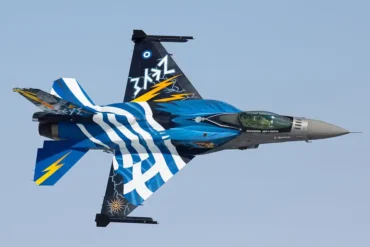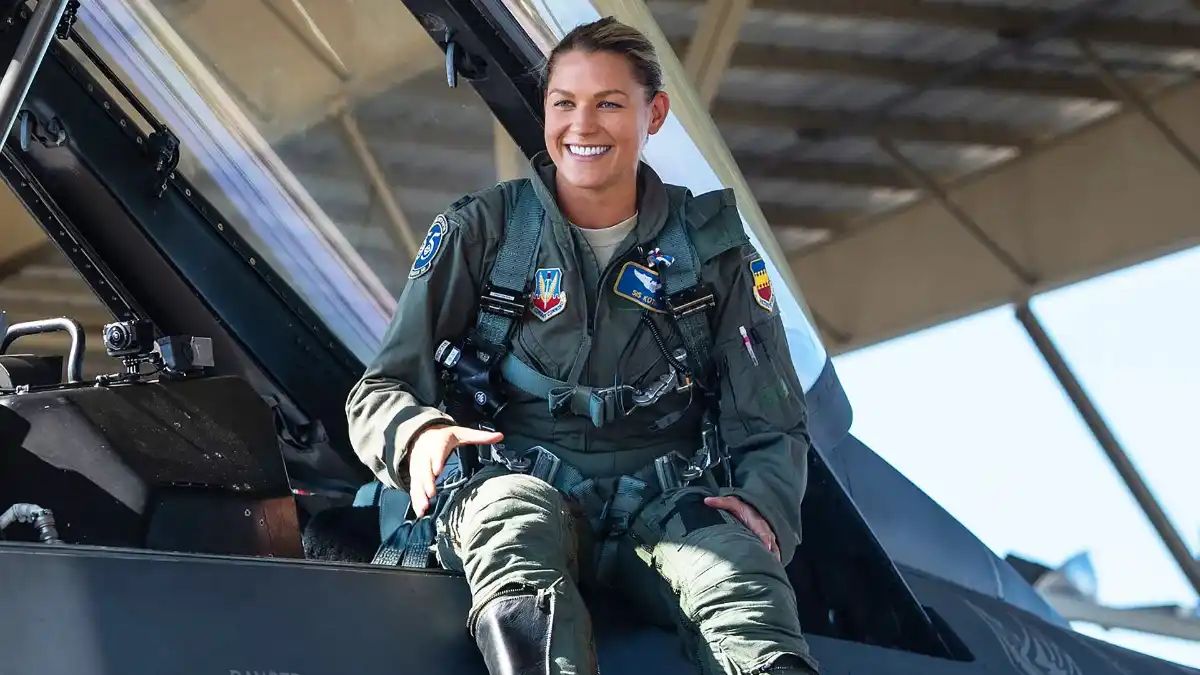
The United States Air Force (USAF) made history by appointing Capt. Zoe Kotnik as the first female commander of the F-16 Viper Demonstration Team. However, just two weeks after assuming this prestigious role, she was relieved of her command. The abrupt decision has raised questions and speculation regarding the circumstances that led to her removal. While the Air Force has remained largely silent on the details, the decision has drawn significant public and media attention.
The Rise of Capt. Zoe Kotnik
Capt. Zoe “SiS” Kotnik was a celebrated aviator with an impressive resume. A graduate of the United States Air Force Academy (Class of 2011), she earned her wings in 2013 and accumulated over 1,000 flying hours in military aircraft. Kotnik’s experience included a year-long deployment to Kunsan Air Base, South Korea, and participation in Operation Noble Eagle, where she flew air defense missions.
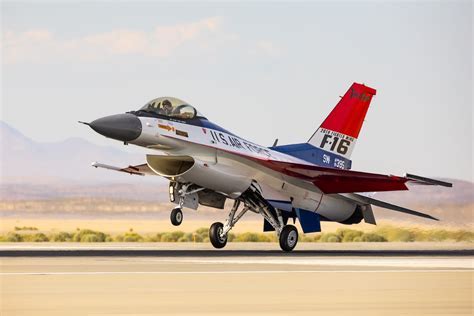
Her selection as the commander of the F-16 Viper Demonstration Team was seen as a milestone in USAF history, particularly as the Air Force sought to leverage her appointment alongside the release of the Marvel Studios film “Captain Marvel,” which features a female fighter pilot as its protagonist.
The Abrupt Dismissal
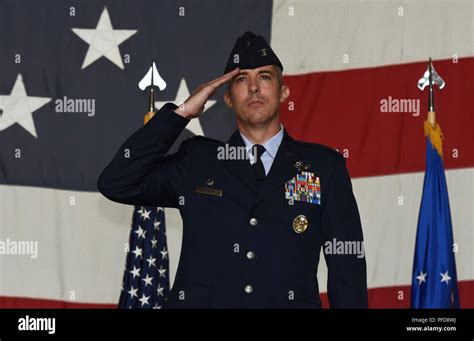
On February 11, 2019, Col. Derek O’Malley, commander of the 20th Fighter Wing, announced that Capt. Kotnik had been relieved of her position. According to Col. Allen Herritage, Director of Public Affairs for Air Combat Command (ACC), the removal was due to “a loss of confidence in her ability to lead and command.”
While the Air Force did not disclose specific details, it emphasized that Kotnik remained a valued officer and would continue to serve in the Air Force. This decision underscores the Air Force’s policy of holding its leaders to high standards, ensuring that those in command positions are fully capable of handling their responsibilities.
Public and Media Reaction
The decision to relieve Kotnik sparked significant discussion within both the military and civilian communities. Many questioned whether the selection process was flawed or if her removal was influenced by factors beyond her performance. Some speculated about potential interpersonal conflicts, leadership challenges, or personal misconduct.
Col. O’Malley addressed concerns by stating, “As good people like Capt. Kotnik make mistakes, I want them to have the opportunity to learn from them without being under public scrutiny.” This statement suggests that her dismissal was not necessarily due to a catastrophic failure but rather an issue that required a leadership change.
Social Media Response
Prior to her dismissal, the Viper Demo Team had actively promoted Kotnik on social media, even drawing parallels between her story and the “Captain Marvel” movie. However, following the announcement, the team quickly removed promotional materials featuring her, further fueling speculation.
The Future of the Viper Demo Team
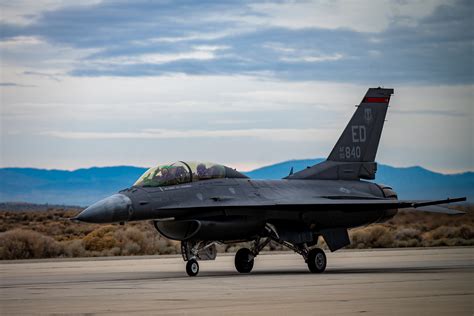
Following Kotnik’s removal, Maj. John “Rain” Waters, the previous commander of the Viper Demonstration Team, was reinstated. The Air Force assured the public that the team would continue its scheduled performances without disruption.
Analysis: Was It a Case of Overpromotion?
Some critics have questioned whether Kotnik was promoted too quickly, pointing to her relatively limited experience in high-profile command roles. With 1,000 flying hours, some believe she may not have been fully prepared for the unique pressures of leading a demonstration team.
However, others argue that her appointment was a progressive step for women in aviation and that mistakes should not overshadow the significance of her achievement. The military often promotes individuals based on potential, and many successful leaders have faced early career setbacks before rebounding.
Lessons Learned
1. Thorough Selection Processes Are Essential
The Air Force must ensure that selection criteria for leadership roles adequately assess both technical and leadership capabilities.
2. Balancing Public Relations with Operational Readiness
The enthusiasm surrounding Kotnik’s appointment was partly fueled by public relations efforts tied to female representation in aviation. However, high-profile appointments must be made based on merit to avoid perceptions of tokenism.
3. Supporting Officers Through Career Challenges
The Air Force’s approach suggests a desire to rehabilitate rather than punish. Kotnik remains in service, and her career may recover from this setback if handled correctly.
FAQs
Why was Capt. Zoe Kotnik removed from command?
The Air Force cited “loss of confidence” in her ability to lead but did not disclose further details due to privacy concerns.
Was Capt. Kotnik inexperienced for the role?
While she had over 1,000 flying hours, some have questioned whether she was promoted too quickly. However, others believe she was fully qualified and simply faced challenges in leadership.
What does this mean for the future of women in the USAF?
While Kotnik’s dismissal was unfortunate, it does not diminish the progress women continue to make in aviation and military leadership. The USAF remains committed to diversity and inclusion in its ranks.
Capt. Zoe Kotnik’s removal from command remains a topic of discussion in the aviation and military communities. While the full details may never be publicly disclosed, her career is far from over, and the lessons learned from this situation will likely shape future leadership appointments within the USAF.