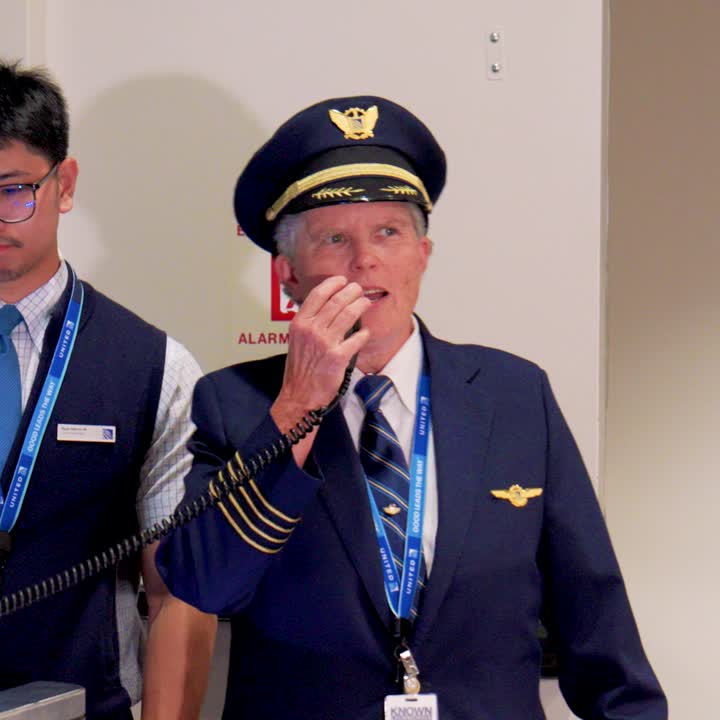
Women’s History Month delivered a landmark moment in modern aviation when Chresten Wilson was officially recognized as the most senior pilot at United Airlines—a historic first in the carrier’s nearly 100-year history. After more than four decades in the cockpit, Wilson now holds the coveted number-one seniority position among more than 18,000 pilots, symbolizing both a personal milestone and a wider transformation across the aviation industry.
Her journey mirrors the evolution of modern commercial flight itself. Beginning her career when female airline pilots were still rare, Wilson steadily advanced through technical roles, multiple aircraft types, and generations of aviation technology before reaching the pinnacle of seniority within one of the world’s largest airlines.
A Historic Milestone During Women’s History Month
Wilson’s recognition arrives at a symbolic moment. As the aviation sector reflects on the progress of women in traditionally male-dominated roles, her appointment highlights just how dramatically the cockpit landscape has changed over the past half-century.
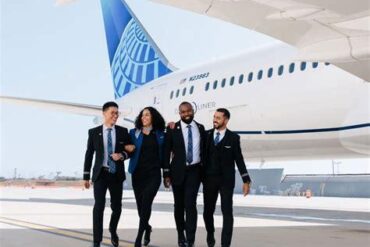
For Wilson, the milestone carries both personal meaning and professional pride. The airline celebrated the announcement before a long-haul departure from San Francisco International Airport bound for Melbourne Airport—a route operated by the modern Boeing 787 Dreamliner. Standing before colleagues and passengers, Wilson reflected on how seniority shapes a pilot’s career, determining everything from flight schedules and destinations to aircraft assignments and days off.
In airline culture, seniority is the backbone of operational life. It governs the order in which pilots bid for routes, aircraft, and promotions. Rising to the top of that hierarchy is not simply an honor—it is the result of decades of service, reliability, and operational expertise.
From Flight Engineer to Aviation Pioneer
Wilson’s career began 41 years ago in a role that today feels like a piece of aviation history. Her first position at United was as a flight engineer on the iconic McDonnell Douglas DC-10, a time when cockpits still required three-person crews to monitor complex systems.
Over time she transitioned into the right seat as a first officer on the Boeing 737, marking the start of a long climb through United’s pilot ranks. As her experience grew, so did the aircraft she flew. Wilson later logged thousands of hours as a first officer on widebody and transcontinental aircraft including the Boeing 747, Boeing 757, and Boeing 767.
Eventually she earned the coveted four stripes of captain, commanding both the Airbus A320 and the Boeing 737. Over time, her responsibilities expanded to include some of the airline’s most sophisticated long-haul aircraft.
The progression reflects not only individual determination but also the technological transformation of aviation itself. The transition from analog flight decks to digital glass cockpits, satellite navigation, and advanced automation has reshaped the pilot’s role from mechanical operator to highly trained systems manager.
Commanding United’s Flagship Long-Haul Aircraft
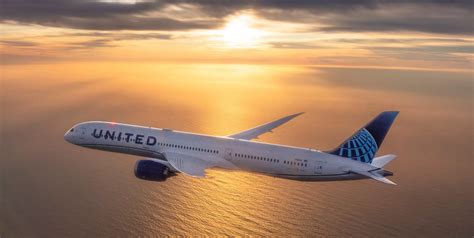
In later stages of her career, Wilson moved into the captain’s seat of the airline’s most advanced widebody aircraft. She eventually commanded the Boeing 777 and later the technologically sophisticated Boeing 787 Dreamliner, aircraft that now operate many of United’s flagship routes from San Francisco.
These aircraft connect the West Coast hub to destinations across the Pacific, including Australia, New Zealand, and Singapore, representing some of the longest and most strategically important routes in United’s network. Operating such missions requires a deep understanding of long-haul flight planning, international procedures, and modern aircraft systems.
Wilson’s ascent to senior pilot status therefore reflects a career spent mastering multiple aircraft generations, operational environments, and global routes.
A Career Shaped by Changing Opportunities for Women
When Wilson first dreamed of becoming a pilot, the idea felt almost unreachable. She has recalled driving past the United Airlines training center in Denver as a young person and realizing there were virtually no female airline pilots at the time.
The absence of role models did not discourage her. Instead, it sharpened her determination to pursue aviation despite the barriers.
Today, she openly acknowledges the pioneers who helped open the cockpit door before her. Among them were Gail Gorski, Debbie Powers, and Jean Harper—three early female aviators who proved women could succeed in airline flight operations during an era when the profession was overwhelmingly male.
Their achievements laid the foundation for a new generation of pilots who now see aviation as an attainable career path regardless of gender.
A Symbol of United Airlines’ Century of Aviation
Wilson’s achievement arrives just as United Airlines approaches its 100th anniversary, marking a century since the airline’s founding in 1926. Over that period the carrier has evolved into the largest airline in the United States by fleet size, operating more than 1,070 aircraft and serving nearly 400 destinations worldwide.
The airline also helped shape global airline partnerships as a founding member of the Star Alliance, now the largest airline alliance by market share.
Against that sweeping historical backdrop, Wilson’s appointment carries symbolic weight. It represents both a personal victory after decades of service and a reminder of how dramatically aviation has changed—from the early days of three-person cockpits to the globally connected, technologically advanced industry of today.
For passengers boarding flights across United’s network, the moment may pass quietly. Yet inside aviation circles, the significance is unmistakable: after nearly a century of operations, the airline’s most senior pilot is now a woman, marking a defining chapter in the evolving story of the modern cockpit.