Global mobility has become one of the quiet currencies of power in the modern world. In an era defined by interconnected economies, digital nomads, and multinational careers, the ability to cross borders freely is no longer a luxury—it is leverage. Yet the hierarchy of passport strength in 2026 delivers a surprise that challenges long-held assumptions about power, prosperity, and influence. A tiny Asian nation has surged ahead of global heavyweights like the United States, China, the United Kingdom, and Japan, securing the title of the world’s most powerful passport, while America continues a decade-long slide down the rankings.
This shift reveals something deeper than tourism convenience. Passport power reflects diplomacy, trust, openness, and how a country is perceived by the rest of the world. Economic size and military might matter less than many assume. What matters more is how consistently a nation builds reciprocal relationships and lowers barriers to movement. The 2026 passport rankings expose a new reality: soft power now travels faster than aircraft carriers.
The latest data from the Henley Passport Index underscores this transformation. Once the undisputed leader, the U.S. passport now sits outside the top tier, trailing behind 37 countries—many of them far smaller and less militarized. At the top stands Singapore, a city-state with fewer than six million people, demonstrating how strategic diplomacy and openness can outperform raw power.
What Makes a Passport Powerful in 2026
At its core, passport strength is measured by visa-free access. The more countries and territories a passport holder can enter without prior approval, the more powerful that passport is considered. The Henley Passport Index tracks 227 destinations worldwide and assigns rankings based on how many of them welcome travelers without visas, or with visas on arrival.
In 2026, this metric has taken on added significance. Governments are increasingly selective about whom they allow in without scrutiny, citing security, migration pressure, and geopolitical risk. As a result, visa-free access has become a proxy for international trust. Countries that are seen as stable, cooperative, and predictable are rewarded with greater mobility for their citizens.
This is where assumptions break down. Military strength does not guarantee trust. Economic dominance does not ensure reciprocity. Passport power is earned slowly through diplomacy, consistency, and openness—and lost just as gradually through isolationist policies.
Singapore’s Passport: Small Nation, Global Reach
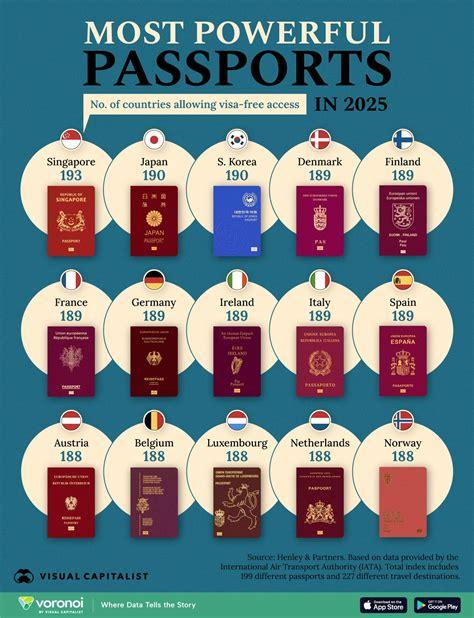
The Singapore passport now ranks as the most powerful in the world, granting visa-free or visa-on-arrival access to 192 destinations. That figure places it above every other nation, including traditional leaders in Europe and Asia. Singapore’s rise is not sudden; it is the result of decades of deliberate foreign policy focused on neutrality, reliability, and economic integration.
Singapore has positioned itself as a trusted hub between East and West. Its strict domestic governance, low corruption, and predictable legal system reassure foreign governments that Singaporean travelers pose minimal risk of overstaying or abusing entry privileges. At the same time, Singapore aggressively pursues reciprocal visa agreements, ensuring that openness flows both ways.
The symbolism matters. An island nation with no natural resources has outperformed superpowers by investing in credibility rather than coercion. In the passport rankings, that strategy pays dividends.
Japan and South Korea: Stability as a Strategy
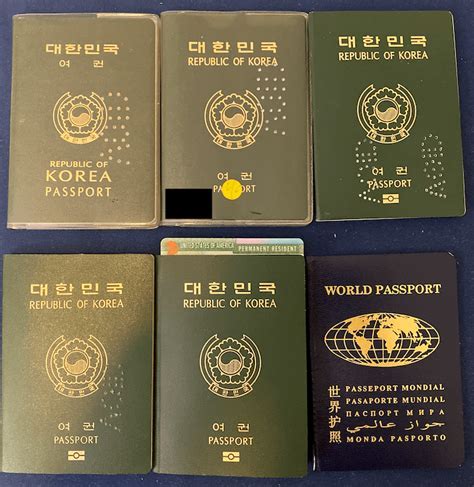
Close behind Singapore are Japan and South Korea, tied for second place with visa-free access to 188 destinations. Both countries share key traits: political stability, strong institutions, and a reputation for orderly migration patterns. Their passports benefit from decades of consistent alliance-building, particularly with Europe and North America.
Japan’s presence near the top is notable because it achieved this position despite long maintaining strict immigration controls. The distinction lies in how Japanese travelers are perceived abroad. Low rates of visa overstays and strong diplomatic ties translate into high trust. South Korea follows a similar path, blending technological leadership with strategic diplomacy to expand mobility for its citizens.
Europe’s Collective Advantage
Europe dominates the upper ranks of the index not through any single powerhouse, but through collective openness. Countries like Denmark, Switzerland, Spain, Sweden, and Luxembourg share third place, each offering visa-free access to 186 destinations. A larger group—including Germany, France, Italy, the Netherlands, and Norway—follows closely behind.
The European advantage stems from coordinated policy. The Schengen Area allows internal free movement, while collective bargaining with external partners strengthens reciprocity. European passports benefit from a shared reputation for regulatory compliance and political predictability.
This coordination contrasts sharply with more unilateral approaches elsewhere, particularly in the United States.
The U.S. Passport’s Fall From the Top
In 2014, the U.S. passport was the most powerful in the world. In just over a decade, it has slipped to 10th place, offering visa-free access to 179 destinations—down from 186 just a year earlier. This decline is not the result of a single decision but a pattern of policy choices that gradually eroded reciprocity.
Several countries have withdrawn visa-free access for Americans, citing a lack of equal treatment. Brazil, for example, reinstated visa requirements for U.S. citizens after years of one-sided openness. Vietnam, China, Papua New Guinea, and Myanmar have expanded visa exemptions for Europeans and Asians while excluding Americans.
The message is subtle but clear: openness must be mutual.
Visa Reciprocity and America’s Openness Gap
The contradiction at the heart of U.S. passport decline lies in its openness—or lack thereof. While Americans enjoy broad visa-free travel, the United States allows only 46 nationalities to enter without a visa. This places it at 78th on the Henley Openness Index, one of the widest gaps between access enjoyed and access offered.
Countries with similar disparities tend to stagnate or fall in passport rankings over time. Global mobility increasingly rewards nations that open doors rather than guard them.
Recent U.S. policies have reinforced this perception. Expanded travel bans, higher visa fees, stricter screening, and the introduction of visa bonds for certain nationalities have signaled an inward turn. Even administrative changes, such as the near doubling of the ESTA fee, have symbolic weight in diplomatic calculations.
Domestic Politics and Global Consequences
Passport power does not exist in a vacuum. It reflects political stability and predictability at home. Volatile domestic politics in the United States have raised concerns among partners about long-term policy consistency. Shifting immigration rules, abrupt travel bans, and transactional diplomacy make reciprocity harder to sustain.
The result is a gradual recalibration. Countries hedge their bets, expanding access to travelers from nations perceived as more stable or cooperative. Mobility rights shrink not through punishment, but through quiet omission.
China’s Quiet Ascent in Global Mobility
Perhaps the most ironic trend in the 2026 rankings is the rise of China’s passport. Long viewed as restrictive, China has steadily liberalized entry rules, climbing from 94th place in 2015 to 59th in 2026. Chinese passport holders now enjoy visa-free access to 81 destinations, an increase of 37 over the decade.
China’s openness extends beyond outbound travel. On the Henley Openness Index, China now grants visa-free entry to 77 nationalities, surpassing the United States by a wide margin. New visa categories targeting scientists and skilled professionals signal a strategic shift toward talent attraction.
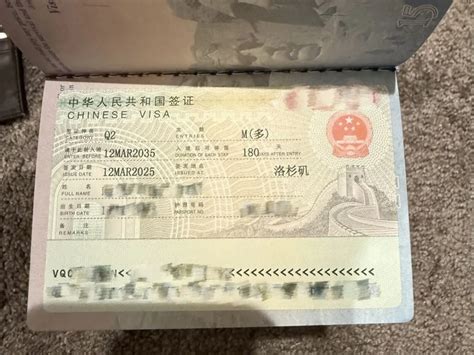
The impact is measurable. Foreign arrivals to China surged in 2025, with visa-free entries growing at nearly twice the overall rate of travel. Mobility, once constrained, is becoming a tool of influence.
The UAE: The Fastest Climber
No country illustrates the rewards of openness better than the United Arab Emirates. Since 2006, the UAE has added 149 visa-free destinations, climbing 57 places to rank 5th globally. This meteoric rise reflects deliberate policy: liberal visa rules, economic diversification, and aggressive diplomacy.
The UAE understands that mobility fuels investment, tourism, and global relevance. Its passport has become a symbol of strategic openness, even without democratic traditions or large population size.
Why Military Power No Longer Guarantees Mobility
The passport rankings dismantle an outdated assumption: that power projects outward automatically. In reality, mobility is negotiated. Countries that prioritize cooperation over coercion outperform those that rely on historical dominance.
Afghanistan, Syria, Iraq, Pakistan, and Yemen remain at the bottom of the index, their citizens constrained by instability and conflict. But the lesson from the top is just as stark. Size does not equal strength when it comes to movement.
Passport Power as Economic Opportunity
Beyond travel, passport strength shapes access to education, business, and global labor markets. Visa-free mobility lowers transaction costs, accelerates deal-making, and expands career horizons. In an uneven world, these advantages concentrate opportunity among citizens of stable, open nations.
This is why the U.S. passport’s decline matters even as it remains desirable. The enthusiasm surrounding the proposed $1 million U.S. “gold card” residency scheme shows that America’s economic magnetism persists. But transactional access cannot replace broad trust.
A New Hierarchy of Trust
The 2026 passport rankings reveal a reordered world. Singapore’s top position is not an anomaly; it is a blueprint. Nations that cultivate trust, reciprocity, and openness rise quietly while others rely on past privilege.
The United States is not excluded from global mobility—but it is no longer exceptional within it. As borders harden and soften selectively, passport power has become one of the clearest indicators of how a nation is truly perceived.
In this new hierarchy, credibility travels farther than firepower, and the smallest countries can carry the biggest keys.