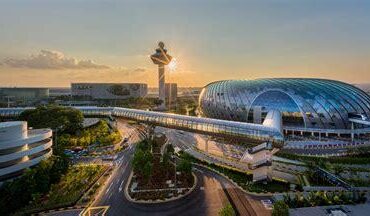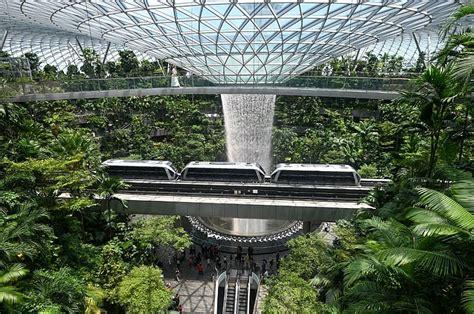
From the moment travelers step into Singapore Changi Airport’s terminals, they sense that something extraordinary awaits—now that aura extends even to the washrooms. In the inaugural Skytrax World’s Best Airport Washrooms 2025 awards, announced after assessing facilities at 235 airports worldwide, Changi has reclaimed its crown, outshining Kansai, Tokyo Haneda, Seoul Incheon, Bahrain International, Hong Kong, and New Chitose. This milestone confirms that today’s passengers demand luxury and impeccable hygiene at every turn, and Changi has once again set the gold standard.
Every dimension of an airport visit shapes passenger satisfaction, from check‑in to baggage reclaim. But the latest Skytrax benchmark underscores a silent battleground where excellence is measured in gleaming marble, touchless fixtures, and subtle cultural cues. No longer an afterthought, washrooms have emerged as vital performance indicators. Travelers expect these sanctuaries of relief to mirror the hospitality and efficiency that defined their journeys—an expectation Changi meets with flair.
The Skytrax World’s Best Airport Washrooms 2025 list is more than an accolade; it marks a paradigm shift. Airports must now compete on design aesthetics, technological innovation, and sustainability in spaces once dismissed as utilitarian. For Singapore Changi, this translates into spa‑inspired sanctuaries featuring motion‑sensor taps, ambient mood lighting, and seating niches for weary globetrotters. These are not mere rest stops but micro‑retreats in the heart of a bustling hub.
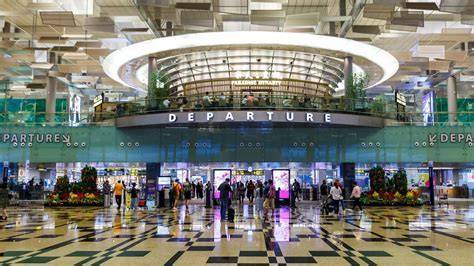
Spa‑Inspired Serenity: Singapore Changi’s Unrivaled Washroom Experience
At Singapore Changi Airport (SIN), the term “washroom” takes on new meaning. Gleaming marble surfaces catch the light under soft, diffused LEDs, and sleek chrome fixtures whisper of motion‑activated magic. Travelers discover complimentary luxury toiletries arranged with hotel‑grade precision, while discreetly positioned charging ports ensure devices remain powered for the next leg of the journey. Walls adorned with local art motifs reinforce Singapore’s cultural narrative, seamlessly blending function with identity.
Seamless climate control maintains a crisp, inviting environment, isolating travelers from the tropical heat outside. Plush seating alcoves, complete with ergonomic backrests, offer fleeting moments of repose. Sound‑masking systems drift gentle ambient melodies, masking terminal noise and reaffirming that every detail counts. Changi’s restrooms are not ancillary; they are an essential touchpoint in the airport’s hospitality promise, a belief that luxury and hygiene are non‑negotiable.
Japan’s Meticulous Mastery of Cleanliness and Comfort
Japan secures a dominant presence on the leaderboard, reflecting the nation’s devotion to precision and hospitality. Tokyo Haneda Airport (HND) clinches second place, transforming practical needs into sensory delights. Heated toilet seats cradle travelers with soothing warmth, while integrated bidets offer personalized comfort controls. Soft wooden panels evoke minimalist Zen aesthetics, balanced by sound‑masking technology and gentle background music that drift like a whispered welcome.
Kansai International (KIX) and Tokyo Narita (NRT) follow closely, celebrated for marrying traditional Japanese design elements with cutting‑edge amenities. Heated floors deliver subtle warmth underfoot, automated cleaning cycles maintain pristine surfaces, and serene color palettes calm frazzled nerves. New Chitose (CTS) introduces Hokkaido‑inspired materials—timber accents sourced from local forests and handcrafted pottery soap dispensers—while Fukuoka (FUK) incorporates regionally crafted ceramic tiles, advanced air‑purification systems, and premium hand creams made from indigenous botanicals. Spacious family‑friendly layouts ensure accessibility and comfort for travelers of all ages.
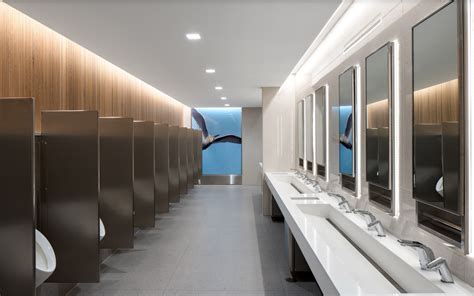
When Technology Meets Hygiene: Incheon and Hong Kong’s High‑Tech Hygiene Hubs
South Korea’s Seoul Incheon Airport (ICN) secures third place by weaving technology into the washroom narrative. Smart mirrors display real‑time flight updates, weather alerts, and wayfinding maps, turning mundane breaks into informative interludes. Clean lines define user pathways, while ultraviolet sterilization systems periodically sanitize high‑touch areas. Multilingual touchscreens guide travelers to nearby lounges, rest zones, or boarding gates, minimizing stress and maximizing efficiency.
Hong Kong International (HKG) holds its place among the top five through meticulous crowd‑flow design and rigorous cleaning schedules. With millions passing through annually, HKG deploys real‑time occupancy indicators on corridor displays, directing foot traffic to less crowded zones. Family rooms include diaper‑changing stations, nursing pods, and sensory play corners for young children. Multilingual signage and culturally sensitive décor cater to the airport’s international clientele, ensuring comfort across diverse backgrounds.
Middle Eastern Opulence: Bahrain International’s Regal Restroom Retreats
At Bahrain International Airport (BAH), the opulence of Middle Eastern hospitality shines through every polished surface. Claiming fourth place, BAH’s washrooms feature marble floors that reflect warm, golden hues from intricately inlaid fixtures. Gold‑plated taps and mirror frames glimmer under soft spotlights, while bespoke fragrances drift through discreet diffusers, evoking a boutique‑hotel atmosphere.
Intricate Islamic geometric patterns carve into partition walls, fusing centuries‑old artistry with contemporary luxury. Dedicated prayer rooms seamlessly integrate ablution stations, catering to spiritual needs without compromising elegance. Advanced climate control systems maintain cool, comfortable interiors—an oasis against Bahrain’s desert heat. Plush hand towels and artisanal soap bars reinforce the airport’s commitment to a multi‑sensory experience, positioning every washroom visit as a moment of indulgence.
Taiwan Taoyuan’s Cultural Elegance Meets Modern Efficiency
Taiwan Taoyuan International Airport (TPE) earns ninth spot by weaving Chinese motifs into a modern washroom tapestry. Porcelain tiles embossed with traditional patterns create visual depth, while automated faucets and sensor‑driven soap dispensers uphold stringent hygiene protocols. Tea stations offering local Oolong infusions nod to Taiwan’s celebrated tea culture, and cozy seating corners invite travelers to pause and savor a moment of calm.
Energy‑efficient LED fixtures cast a gentle glow, balancing aesthetic warmth with sustainability goals. Subtle environmental graphics remind visitors of Taiwan’s commitment to eco‑friendly design. Whether a hurried transit or an extended layover, TPE’s facilities embody a harmonious marriage of functionality, cultural storytelling, and green innovation.
The Strategic Elevation of Airport Washrooms
Skytrax’s introduction of washroom awards has ignited fierce competition among global hubs. Facilities once relegated to footnotes now command boardroom discussions and capital investments. Cleanliness and hygiene standards, once assumed, are rigorously audited. Design and cultural identity are crafted into every tile and fixture. Accessibility features—from braille signage to wheelchair‑friendly layouts—receive renewed focus. Technological innovations, such as occupancy sensors and self‑cleaning surfaces, transition from novelty to norm.
Airports recognize that premium washrooms yield strategic dividends: elevated passenger satisfaction scores, increased social‑media buzz, and enhanced brand loyalty. Travelers, empowered by online reviews, share every detail of their journeys. A luxurious washroom experience can transform passive passengers into vocal advocates, amplifying an airport’s reputation across digital platforms.
Global Trends Shaping the Future of Restroom Design
A confluence of factors drives the lavish evolution of airport washrooms:
- Hygiene & Safety: The aftermath of the COVID‑19 pandemic has permanently raised cleanliness expectations. Touchless fixtures, antimicrobial surfaces, and real‑time cleaning updates displayed on digital dashboards reassure health‑conscious travelers.
- Cultural Storytelling: From Japanese ceramics to Middle Eastern mosaics, airports leverage design as a narrative tool, offering travelers an immersive glimpse of local heritage within every washroom stall.
- Sustainability: Water‑saving faucets, motion‑activated lighting, and recycled materials signal environmental responsibility without sacrificing luxury.
- Technology & Convenience: Smart mirrors, air‑quality monitors, and occupancy indicators converge to create high‑tech oases that streamline passenger flow and enhance user experience.
Together, these trends underscore a broader shift: travelers no longer tolerate cramped, outdated facilities. They demand spaces that reflect their values—safety, cultural authenticity, and eco‑consciousness—while delivering moments of respite and indulgence.
The Passenger’s Perspective: Small Moments, Lasting Impressions
For today’s traveler, a washroom is far more than a pit stop. It is a sanctuary where comfort converges with convenience. Spacious stalls offer room to maneuver, climate control soothes weary bones, and sensory elements—scent, sound, and texture—coalesce into a respite from terminal chaos. Accessibility features, from baby‑changing counters to accessible sinks, affirm an airport’s commitment to inclusive service.
Indulgent amenities—luxury hand creams, mouthwash dispensers, plush towels—elevate a simple necessity into a memorable highlight. When travelers share photos of hotel‑grade facilities or rave about intuitive digital amenities, they amplify an airport’s brand story across social media, reinforcing the competitive advantage of premium washroom experiences.
Looking Ahead: Innovations on the Horizon
As airports vie for future rankings, expect to see:
- Personalized Smart Technology: Facial‑recognition mirrors adjusting lighting and temperature to individual preferences; AI‑driven maintenance alerts preventing downtime.
- Advanced Sustainability: Greywater recycling systems powering toilet flushing; biodegradable dispensers and zero‑waste consumables.
- Enhanced Family & Accessibility Features: Interactive play zones within washroom clusters; gender‑neutral facilities designed for privacy and inclusivity.
- Immersive Branding: Projection‑mapped murals and interactive digital art installations transforming washroom walls into storytelling canvases.
The washroom has emerged as a strategic asset—one that no airport can afford to ignore. In an era where details define traveler loyalty and digital amplification reigns supreme, excellence in restroom design is no longer optional. It is a vital stage where luxury, culture, technology, and sustainability converge to shape the modern travel experience.
By elevating every flush, faucet, and fixture into a statement of care, airports like Singapore Changi lead the charge into a new era of hospitality. For passengers around the globe, the humble washroom has become a benchmark of excellence—proof that in today’s world, no detail is too small to matter.