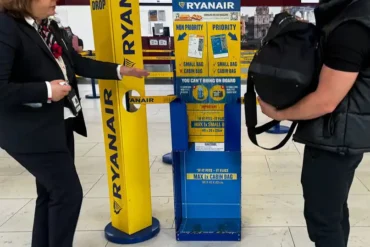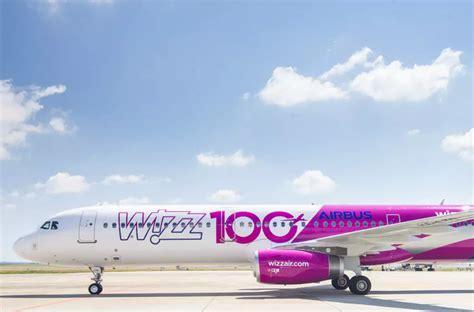
The balance of power in Britain’s low-cost airline complaint rankings has quietly but decisively shifted. Wizz Air, once viewed as an aggressive disruptor built on ultra-low fares and rapid network expansion, has now overtaken Ryanair as the UK’s most complained-about airline on a per-passenger basis, according to the latest figures derived from the Civil Aviation Authority’s dispute-resolution data. The change is not marginal. It is dramatic, and it carries serious implications for reputation, cost control, and regulatory scrutiny in one of Europe’s most price-sensitive aviation markets.
The data draws from complaints escalated beyond airlines’ internal channels to the CAA’s approved Alternative Dispute Resolution (ADR) bodies and the regulator’s own Passenger Advice and Complaints Team. While this does not capture every disgruntled traveler, it offers a clear signal of where service recovery is breaking down badly enough to push customers toward formal adjudication. On that front, Wizz Air now leads the table by a wide margin.
In the most recent reporting year, Wizz Air averaged 918 complaints per million passengers, a figure that dwarfs Ryanair’s 188 complaints per million. This gap alone reframes the narrative around customer dissatisfaction in the UK’s low-cost sector. The statistics suggest not merely higher disruption levels, but deeper failures in how complaints, refunds, and compensation claims are handled once things go wrong.
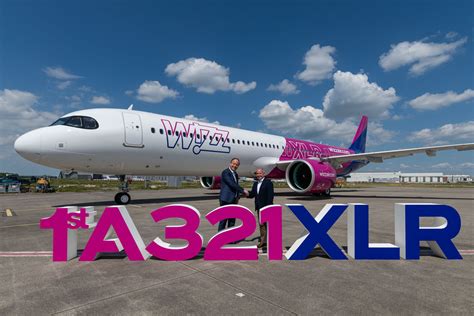
Understanding the methodology behind these rankings adds important context. The complaint rates are calculated using quarterly passenger volume estimates from the prior quarter, a system that introduces some statistical imperfections. Even so, the scale of Wizz Air’s numbers is too large to dismiss as noise. In 2025, the airline recorded 10,548 total complaint cases, the highest volume in the country, with 47% of those complaints upheld by regulators. The average payout per successful case exceeded $800, a meaningful financial burden when multiplied across thousands of disputes.
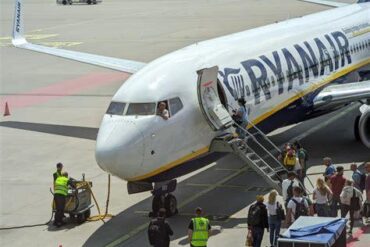
By contrast, Ryanair saw a similar absolute number of cases but a far lower per-passenger complaint rate. Even more telling is the outcome: only 28% of Ryanair complaints were upheld. British Airways, operating in an entirely different market segment, posted a per-million complaint rate close to Ryanair’s, yet 83% of its complaints were approved for compensation, underlining that volume alone does not tell the full story. What matters is how often regulators side with passengers once cases are reviewed.
For Wizz Air, topping this league table is more than an embarrassing headline. In the UK, where customer loyalty among low-cost carriers is thin and social media magnifies every delayed flight or rejected refund, reputational damage spreads quickly. A high escalation rate signals to passengers that internal complaint channels may be ineffective, encouraging more customers to bypass the airline entirely and go straight to regulators.
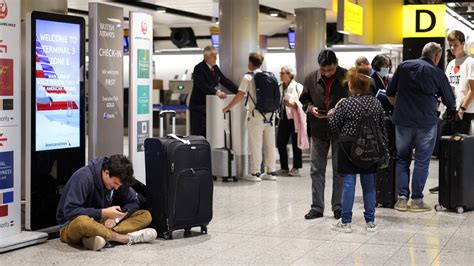
There are also operational and financial consequences. A 47% uphold rate implies that nearly half of all adjudicated cases result in payouts, legal costs, and administrative overhead. These disputes consume staff time, slow internal workflows, and require higher cash provisions for EU-style compensation under UK261 rules. Over time, this erodes the cost advantages that low-fare models depend on.
Regulatory pressure compounds the issue. The CAA has previously expressed concerns about Wizz Air’s complaint handling, backlogs, and the number of cases progressing to court judgments. Another poor performance increases the likelihood of deeper scrutiny, potential enforcement actions, and mandated operational changes. In a post-pandemic regulatory climate where passenger rights enforcement has become more assertive, repeated underperformance carries real risk.
Ironically, this shift delivers unexpected relief for Ryanair. Long criticized for its hardline customer policies, the airline now finds itself no longer wearing the industry’s least-flattering crown. The data offers Ryanair a defensible narrative: while complaints still exist in large absolute numbers, they are less frequent per passenger and far less likely to be upheld. That distinction matters, especially in a market shaped by headlines and perception.
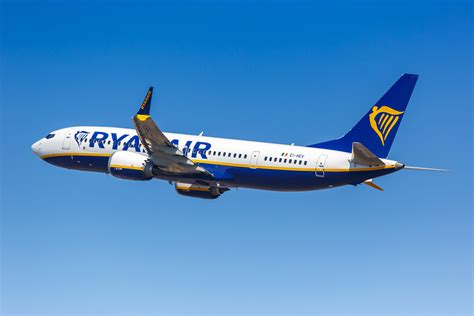
Still, Ryanair’s position is hardly flawless. More than 10,000 dispute cases indicate persistent friction with customers, generating administrative costs and undermining trust among occasional travelers. The difference is strategic rather than moral. Ryanair has invested heavily in self-service tools, clearer policy communication, and faster issue resolution, all designed to stop complaints before they reach regulators. The numbers suggest that approach, while unpopular in tone, is effective in limiting escalation.
The broader lesson from this data is not that one airline is virtuous and another villainous. It is that service recovery has become a decisive competitive battleground. Delays, cancellations, and technical issues are often unavoidable. What separates carriers is how quickly and transparently they respond once disruption occurs. Regulators, armed with clearer mandates and emboldened by political support, are increasingly willing to penalize airlines that fall short.
For Wizz Air, reclaiming ground will require more than incremental fixes. Faster refunds, clearer disruption messaging, and meaningful investment in complaint-handling infrastructure are no longer optional. In the UK market, where price alone rarely buys forgiveness, how an airline treats passengers when things go wrong now defines the brand as much as the fare itself.