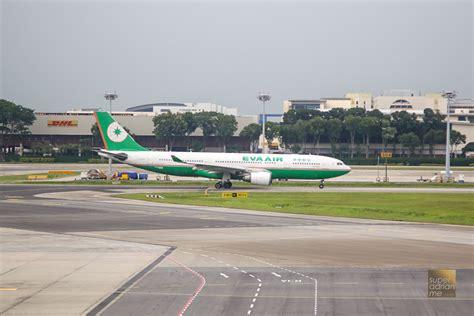
Taiwan’s flag carrier, EVA Air, has earned the prestigious title of World’s Cleanest Airline for 2025, as awarded by Skytrax, reaffirming Asia’s gold standard in aviation hygiene. This latest recognition places EVA Air at the pinnacle of a field where sanitation, air quality, and cabin cleanliness have become as crucial as safety and service. With the aviation industry still reshaping post-pandemic norms, EVA Air’s win sends a clear signal: cleanliness is now non-negotiable in modern air travel.
EVA Air’s Commitment to Hygienic Excellence
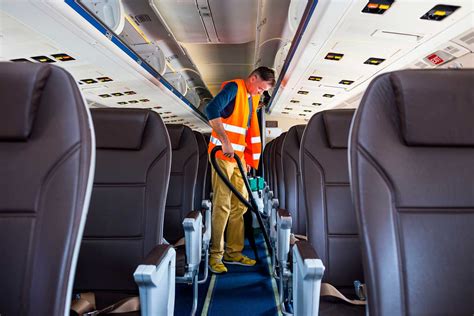
EVA Air’s first-place ranking did not come by chance. The carrier’s meticulous, science-based approach to cabin hygiene includes the installation of HEPA filters that eliminate 99.97% of airborne particles, ensuring fresh, bacteria-free air circulation throughout every flight. Beyond air quality, the airline’s highly trained cleaning teams execute multi-phase sanitation protocols between flights, leaving no surface untouched — from tray tables to lavatories, seatbacks to window sills.
The in-flight crew plays an equally vital role. Equipped with disinfection kits and trained in proactive hygiene procedures, they ensure every part of the cabin remains spotless during the flight. Food containers meet global safety standards, and high-touch areas like overhead bins and seat handles receive extra attention with anti-microbial treatments. These practices, bundled under EVA Air’s “Clean and Safe” initiative, have cemented the airline’s reputation for world-class cleanliness.
Skytrax Rankings Show Clear Asian Dominance
The 2025 Skytrax Top 10 Cleanest Airlines list underscores Asia’s continued dominance in cleanliness and hygiene excellence. Out of the ten highest-rated airlines, nine are Asian carriers — a powerful testament to the region’s relentless focus on health and sanitation in aviation. Here’s a closer look at the standout performers:
Top 10 Cleanest Airlines in 2025
- EVA Air (Taiwan) – Known for stringent cleaning regimens, advanced HEPA filtration, and staff training focused on hygiene.
- All Nippon Airways (ANA) – Japan – Consistently top-ranked with virus-eliminating air systems, rigorous seat sanitizing, and detailed nightly cleanings.
- Cathay Pacific (Hong Kong) – Continues to innovate with overnight deep cleans and disinfection of every onboard surface.
- Qatar Airways (Qatar) – The only non-Asian airline on the list; utilizes Honeywell’s UV Cabin System and high-grade filters.
- Singapore Airlines (Singapore) – Renowned for steam-sterilized linens, spotless restrooms, and hospital-grade cleaning agents.
- Hainan Airlines (China) – Employs multi-stage disinfecting, headrest swaps, and fogging for long-haul layovers.
- Starlux Airlines (Taiwan) – Rising rapidly in global rankings with rigorous mid-flight sanitation and new aircraft cleanliness protocols.
- Japan Airlines (JAL) – Emphasizes vacuum sterilization, cabin pressurization cleansing, and complete bedding renewal.
- Korean Air (South Korea) – Cabin crew-led cleaning supported by ground-based deep disinfection procedures.
- China Southern Airlines (China) – Uses waterless dry-cleaning methods to reduce mess and preserve surface integrity.
What Separates EVA Air from the Rest
EVA Air’s victory is not just about maintaining a clean cabin — it’s about engineering cleanliness into every element of the passenger experience. For instance, lavatories are cleaned mid-flight, especially on long-haul routes, with strict adherence to disinfection intervals. Seat fabrics and leather headrests are regularly replaced or sanitized using non-toxic, hospital-grade chemicals that don’t compromise passenger comfort.
Equally important is the cabin airflow design, which reduces cross-contamination by creating vertical air circulation streams. The result is an environment where airborne particles are expelled quickly, and passengers are less exposed to any lingering contaminants. EVA Air’s focus extends to in-flight meal hygiene, with tray layouts designed to prevent spillage and utensils sanitized to exacting standards.
Innovations That Drive Hygiene Forward
The pandemic forced many airlines to revamp their cleaning protocols, but EVA Air went a step further by embedding hygiene into its fleet-wide operating philosophy. It pioneered the use of nano-silver coatings on surfaces, added hands-free sanitizing stations at cabin entrances, and implemented touchless boarding technology to minimize human contact. These enhancements have made cleanliness part of the passenger’s journey from gate to destination.
Similarly, airlines like Cathay Pacific and Qatar Airways have adopted UV disinfection robots and advanced fogging systems to complement traditional cleaning, but EVA Air’s balanced focus on manual detail cleaning and automated systems ensures consistently superior results. Its staff training modules even include microbiology fundamentals, empowering crew to understand the science behind disinfection.
Cleanliness: The New Battleground for Airline Loyalty
Passenger behavior post-pandemic has shifted. Cleanliness is no longer a backend operational concern — it’s a marketing pillar and brand differentiator. Airlines that deliver consistently sanitized environments are seeing increased customer trust, better Net Promoter Scores (NPS), and higher repeat booking rates.
For EVA Air, this trust translates to more than just rankings. Its status as Asia’s cleanest airline has strengthened its partnerships, improved premium cabin occupancy, and influenced frequent flyer preferences, especially in health-conscious markets like Japan, Singapore, and South Korea.
Competitive Pressure Mounts for Global Airlines
As EVA Air sets the global bar higher, other international carriers are racing to adapt. American and European airlines, long focused on service or punctuality, now face pressure to catch up on sanitation protocols. Airlines like Finnair, which placed just outside the top 10, are improving their game with redesigned cabin interiors that are easier to clean and resistant to microbial growth.
However, without matching Asia’s cultural emphasis on hygiene and the willingness to invest heavily in cleaning infrastructure, many Western carriers may struggle to earn passenger trust at the same scale. EVA Air’s model showcases how investing in cleanliness can produce measurable competitive gains.
Clean Design Meets Clean Practice
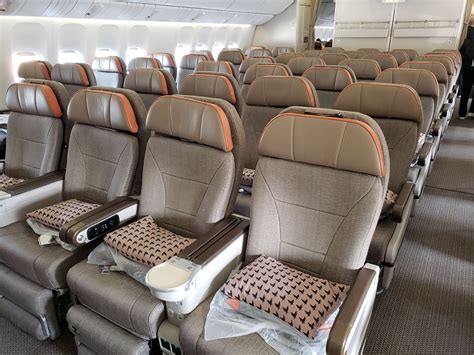
Even aircraft design is evolving to support cleaner flights. EVA Air has begun rolling out aircraft with anti-bacterial upholstery, low-touch seatback entertainment systems, and easy-clean lavatory surfaces. Cabin lighting is tuned to highlight smudges and aid visual inspections, allowing crew members to spot areas needing attention.
Part of this cleanliness strategy also involves partnerships with manufacturers like Boeing and Airbus to integrate hygiene features during production, not as retrofits. From antimicrobial finishes to self-disinfecting tray tables, cleanliness is being engineered into the very bones of EVA’s next-generation fleet.
What This Means for the Future of Air Travel
The 2025 Skytrax rankings make it clear that cleanliness has become a strategic priority for top-performing airlines. For passengers, this means safer, more comfortable travel. For carriers, it’s a competitive imperative. EVA Air’s recognition as the cleanest airline in the world shows what’s possible when hygiene is elevated from procedure to principle.
As more airlines catch on, passengers worldwide can expect a cleaner, healthier, and more confidence-inspiring flying experience. But for now, EVA Air leads the skies, setting the global standard and reminding us all that in the age of health-conscious travel, clean really does mean elite.