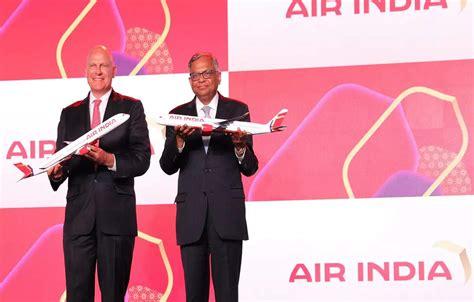
Air India’s astonishing transformation under CEO Campbell Wilson represents a landmark chapter not only in aviation but in the story of a modernizing India. Once synonymous with bureaucratic inefficiencies and aging infrastructure, the national carrier has undergone a comprehensive revival that signals both ambition and capability. Speaking at the 81st IATA Annual General Meeting in Delhi, Wilson laid bare the staggering scope of Air India’s metamorphosis, a process he has steered with relentless urgency since Tata Sons acquired the airline in 2021.
Reimagining the Flag Carrier: Air India’s Four-Way Merger
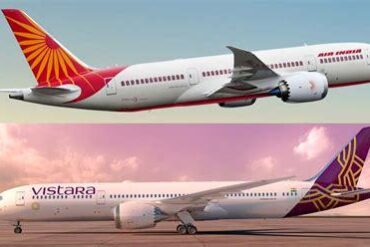
At the heart of the airline’s renewal lies a complex and unprecedented integration of four distinct entities: Air India, Air India Express, Vistara, and AirAsia India. Merging legacy and low-cost brands into a single coherent operation within two years would be a tall order for any airline. Yet, Air India has not only executed this consolidation—it has done so while rebranding, revamping its services, and retraining its workforce.
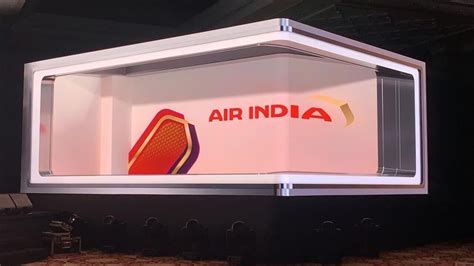
The new visual identity of Air India—vibrant, modern, and unmistakably Indian—reflects the carrier’s dual aim of honoring its past while aggressively staking a claim in the future. The harmonization of fleets, crew, operational systems, and corporate structures was not just a logistical challenge but a cultural one. Wilson emphasized that this integration has gone beyond logos and uniforms: it redefined the very operational DNA of the airline.
From Dilapidation to Digital: Infrastructure and Talent Revamp
Much of Air India’s physical and organizational framework had languished for decades. Wilson candidly admitted that the airline was operating in “an apparent state of neglect.” This has now been reversed with stunning speed and decisiveness. A total of 63 outdated facilities were shut down, and operations were relocated to a cutting-edge corporate campus in Gurugram, signaling a break from the past and a pivot toward efficiency.
Crucially, the transformation also involved a generational overhaul of the airline’s workforce. The average employee age was slashed from 54 to 35, ending a two-decade freeze on non-flying staff recruitment. Fresh hires bring not only youth but also tech-savvy dynamism necessary for a digital-first operation.
Air India has invested heavily in in-house training and technical infrastructure, building a modern MRO (Maintenance, Repair, and Overhaul) facility in Bengaluru to support growing operations. These initiatives are part of a broader strategy to end reliance on external vendors and to raise operational reliability.
Digital Rebirth: $200 Million Tech Upgrade
Air India has committed over $200 million to digital transformation. This includes a complete redesign of its website, mobile app, and backend systems. The goal is not incremental improvement—it is a ground-up reinvention of how passengers interact with the airline.
Real-time check-ins, personalized notifications, AI-driven customer service, and seamless integration across platforms are just a few features of the new system. Air India’s technological renaissance is critical for winning back trust among global travelers accustomed to high standards of user experience.
Passenger Experience: Reinvented from Aisle to App
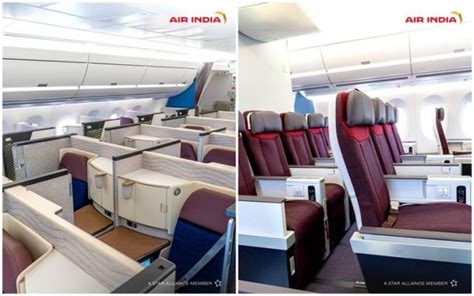
For travelers, the changes are most visible in the air. Wilson outlined sweeping upgrades to the passenger experience, covering everything from in-flight meals and cabin ambiance to IFE (in-flight entertainment) systems and crew etiquette. The revamp aims to offer a consistent, high-quality product across both domestic and international routes.
Air India’s customer service overhaul is designed to match, and eventually exceed, global standards. New training regimens, multi-lingual service, and fine-tuned SOPs now underpin its in-cabin experience, ensuring passengers notice the difference from the moment they board.
Massive Fleet Expansion: The Backbone of Global Ambitions
A transformation of this magnitude requires a formidable fleet. Since 2023, Air India has placed orders for a staggering 570 aircraft. These include:
- 50 Airbus A350s (long-haul, some already delivered)
- 210 A320 family aircraft (narrowbody, domestic and regional)
- 20 Boeing 787s
- 10 Boeing 777X
- 190 Boeing 737 MAX (short to medium-haul)
This scale of expansion is unprecedented in Indian aviation history. It dramatically expands Air India’s operational capacity, making it a genuine global competitor. The airline has also invested $400 million to retrofit its legacy fleet with new-generation cabins, ensuring service consistency.
The retrofit project includes:
- Narrowbody fleet overhaul by end-2025
- B787 retrofits beginning July 2025, completing by 2027
- B777 interim refresh now; full refit starting in 2027
Wilson noted that at the start of the decade, India had just 43 active widebody aircraft. Air India’s transformation alone is set to multiply that figure several times over, signaling a strategic shift in India’s aviation potential.
Demand Surge and Competitive Positioning
One may ask: will the seats be filled? Wilson is confident. Domestic demand alone, if it reaches Chinese per capita air travel levels, could sustain vast fleet expansion. Moreover, Air India’s edge lies in its ability to tap into diverse demand drivers.
The Indian diaspora, numbering over 30 million globally, represents a rich, underexploited segment. Additionally, Wilson points to India’s geographic advantage—situated at the intersection of Europe, Asia, Africa, and Oceania. This makes the country an ideal hub for connecting flights, not merely endpoints.
“Other airlines depend entirely on connecting traffic. For us, it will be an additional revenue stream,” he remarked, subtly referencing Gulf carriers like Emirates and Qatar Airways.
A Multi-Hub Strategy: Delhi, Mumbai, Bengaluru
Air India plans to spread its wings not just wide but also deep. While Delhi (DEL) remains the primary hub, significant long-haul expansion is planned out of Mumbai (BOM) and Bengaluru (BLR). These hubs already serve Europe and North America, and Wilson sees potential for direct connectivity from Indian metros to every major European city.
However, Wilson was measured in his outlook. Route expansion will follow demand patterns and operational readiness, avoiding overreach.
Geopolitical Headwinds: Airspace Restrictions and Their Cost
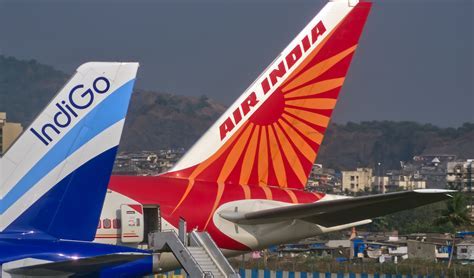
A critical challenge Air India faces lies beyond its control: India-Pakistan airspace restrictions. Ongoing diplomatic tensions have forced rerouting of key European and North American services. This detour adds one to three hours of flight time, leads to refueling stops, and restricts passenger loads.
Wilson revealed this could cost the airline $600 million annually if prolonged. Still, this hurdle hasn’t derailed Air India’s growth agenda. Alternative routing and fuel management strategies are being developed to reduce the long-term impact.
Future Outlook: Bolder Bets Ahead
Amid speculation, Wilson declined to confirm Reuters’ report of an additional 200-aircraft order, calling it “pure speculation.” Still, the airline’s pace and confidence suggest such a move wouldn’t be surprising. The scale of ambition and appetite for growth is clear.
Air India’s transformation is more than a corporate turnaround—it’s a symbol of India’s resurgence on the global aviation stage. Campbell Wilson, with his pragmatic leadership and unyielding vision, has turned the carrier into a test case for how strategic vision, operational rigor, and cultural change can breathe life into a national asset.
As the airline prepares for future milestones—from new international routes to a complete digital ecosystem—its trajectory is being watched not just by competitors, but by an entire nation eager to see its flag fly higher, further, and faster.