Air India, India’s oldest and most iconic airline, has experienced a remarkable journey that mirrors the nation’s own evolution. From its pioneering days under J. R. D. Tata to its reemergence under Tata Group ownership, Air India’s saga is a chronicle of innovation, national pride, and turbulent transformation. Today, as the airline undergoes one of the most ambitious overhauls in aviation history, it stands poised to reclaim its place among the world’s premier carriers.
A Legacy Born in the Skies
The origins of Air India date back to 15 October 1932, when industrialist and aviation visionary Jehangir Ratanji Dadabhoy Tata piloted a de Havilland Puss Moth on the inaugural Karachi–Bombay–Madras route. Operating as Tata Airlines, the fledgling enterprise quickly distinguished itself in a fledgling Indian aviation sector. With just a few aircraft like the Leopard Moth and a focus on airmail, it made early profits and began laying the groundwork for a national carrier.
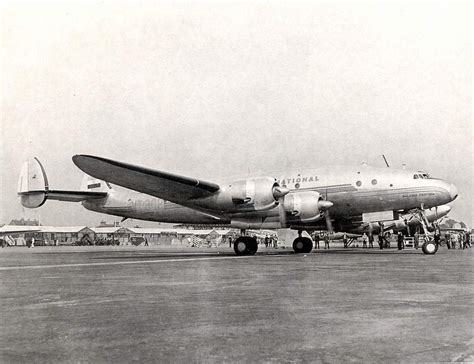
By 1946, the airline had been renamed Air India, becoming a public company as the country edged toward independence. In 1948, a landmark event occurred: the launch of international operations with the Lockheed Constellation L-749A “Malabar Princess”, which flew from Bombay to London. This heralded a bold global vision long before most Asian carriers had even emerged.
Post-Independence Expansion and the Jet Age
Following nationalization in 1953, Air India split roles with the newly created Indian Airlines—handling international and domestic routes respectively. In 1960, Air India marked another milestone, becoming the first Asian airline to induct a jet aircraft, the Boeing 707–420 “Gauri Shankar.”
With this transition to jet aircraft, the airline introduced its distinctive livery, featuring the now-famous Maharajah mascot—a whimsical yet dignified character who came to symbolize Indian hospitality. During this golden era, routes expanded to New York, Paris, Nairobi, Tokyo, and beyond, positioning Air India as a global standard-bearer of Indian luxury and excellence.
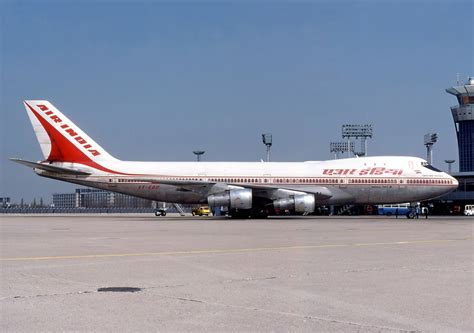
The arrival of the Boeing 747-200B “Emperor Ashoka” in 1971 further cemented its international status. The “Palace in the Sky” interiors and exclusive services became the stuff of legend, a time when flying Air India was considered an elite experience.
Financial Turbulence and Decline
By the early 2000s, however, the airline’s fortunes began to wane. A lethal mix of bureaucratic inertia, inefficient operations, and poor strategic decisions dragged the carrier into financial disarray. The 2007 merger with Indian Airlines, intended to streamline operations, instead exacerbated existing inefficiencies. Mounting debt, outdated aircraft, and mounting competition from private players and Gulf carriers led to a severe erosion of both market share and public trust.
Despite periodic government bailouts—including a ₹32 billion infusion in 2012—Air India remained tethered by its losses, which peaked at over ₹72 billion by 2009. The airline’s frequent flyer program stagnated, its branding grew stale, and employee morale declined. For over a decade, the once-proud Maharajah limped along, a shadow of its regal past.
Privatization and the Tata Comeback
On 27 January 2022, history came full circle. After years of failed disinvestment efforts, Air India was officially handed back to the Tata Group, which had originally founded the airline 90 years prior. The takeover was part of a bold ₹18,000 crore bid, reflecting Tata’s long-term vision for restoring Air India to prominence.
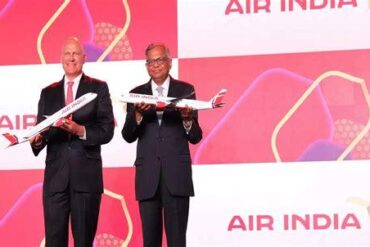
Natarajan Chandrasekaran, Tata Sons Chairman, quickly installed new leadership, naming Campbell Wilson as CEO & MD. The Tata Group’s strategic roadmap—branded Vihaan.AI—aimed at a complete transformation, spanning fleet renewal, digital modernization, and customer experience elevation.

Record Aircraft Orders and Fleet Modernization
In a move that stunned the global aviation sector, Air India in February 2023 announced a $70 billion order for 470 aircraft—split between Airbus and Boeing. The deal includes 210 Airbus A320neo family jets, 40 A350s, 190 Boeing 737 MAXs, 20 787-9s, and 10 777-9s. This massive procurement marked the largest single order in aviation history, signaling Air India’s serious ambitions to become a major global player once again.
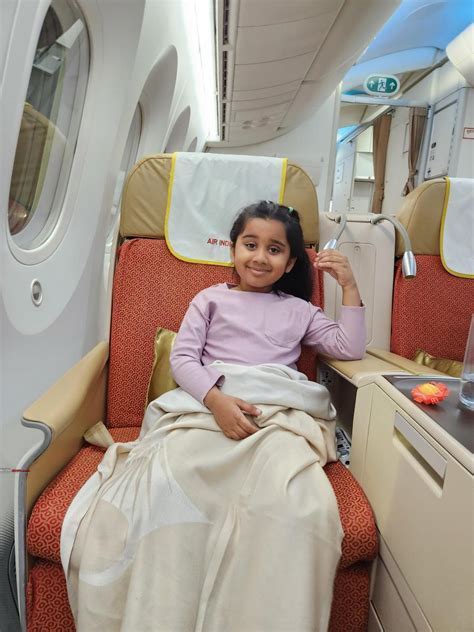
Older aircraft are undergoing a $400 million cabin retrofit, with the first 67 jets—including 40 wide-body Boeings and 27 A320neos—being updated with modern interiors, new in-flight entertainment systems, and onboard Wi-Fi. Notably, Air India became India’s first airline to offer free onboard Wi-Fi, beginning November 2024.
Brand Overhaul: A New Face of Indian Aviation
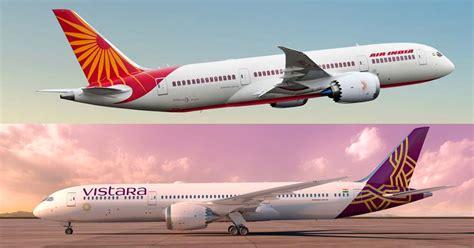
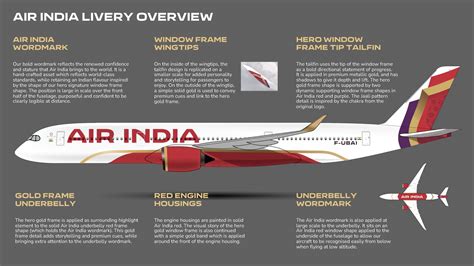
A complete rebranding effort launched in August 2023 gave the airline a visual reboot. The new livery, known as “Vista”, incorporates deep red, aubergine, and gold hues with motifs inspired by Jharokha windows, blending traditional Indian aesthetics with a sleek, international flair. A new logo accompanied this change, shedding the old flying swan and Konark wheel in favor of a more stylized modern emblem.
The Maharajah mascot, while scaled back from frontline branding, retains a presence in lounges, premium crockery, and nostalgic merchandise, preserving the link to Air India’s heritage without burdening its new identity.
Mergers and Strategic Consolidation
Post-privatization, Tata Group initiated a long-awaited consolidation of its aviation holdings. The merger of Air India Express and AIX Connect (formerly AirAsia India) was finalized in October 2024, creating a unified low-cost platform for short-haul operations. Similarly, the merger with Vistara—a Tata-Singapore Airlines joint venture—was completed in November 2024, phasing out the Vistara brand and integrating its premium products and aircraft into Air India’s long-haul strategy.
This consolidation means Air India now controls a full-service and low-cost hybrid structure, akin to global models like Lufthansa and British Airways with Eurowings and Level respectively.
Cargo and Commercial Resilience
Air India has also taken strategic steps to strengthen its cargo business, a segment long overlooked. With a target of 2.5 million tonnes of cargo by 2027, the airline is developing a dedicated cargo subsidiary, backed by proprietary logistics software for tracking, revenue management, and operations streamlining. Cargo revenues rose 30% from FY 2022–2024, offering a key growth avenue beyond passenger services.
Operational Excellence and Services
The transformation isn’t limited to hardware and structure. The airline has radically improved its onboard experience, offering:
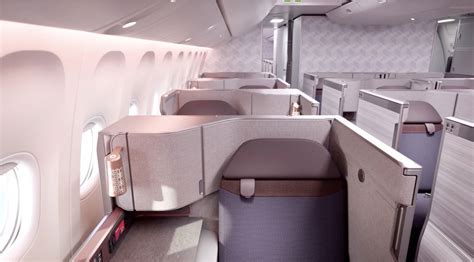
- Fully refurbished cabins with flatbed Business Class on long-haul routes
- Introduction of Premium Economy across Boeing 777 and 787-9 aircraft
- Enhanced in-flight entertainment, including Thales Avant Up systems on new widebodies
- The Namaste.ai in-flight magazine and exclusive wine lists curated for international routes
- New uniforms for crew members, blending traditional Indian textiles with contemporary tailoring
Air India has also enhanced its frequent flyer program, combining Club Vistara and Flying Returns into the Maharaja Club, which now boasts tiered benefits, better mileage redemption, and integrated status with Star Alliance partners.
Looking Ahead: Air India’s Future Trajectory
Despite posting a ₹–4,444 crore loss in FY 2023–24, Air India’s trajectory is arguably the most exciting in global aviation. Load factors have risen, customer satisfaction scores are improving, and international route expansions—from San Francisco to Melbourne—are underway.
The airline’s new leadership, substantial capital investment, and refined vision mark a decisive turning point. Air India is no longer just a legacy carrier weighed down by bureaucracy. It is being reborn as a nimble, customer-centric global airline, with the backing, scale, and strategy to disrupt international markets.
Air India’s rebirth is not just about jets and routes. It is a restoration of pride—a national narrative soaring through the skies once more. As India asserts itself on the world stage, its flagship airline is being rebuilt to reflect that same ambition.
And this time, the Maharajah is flying first class—again.