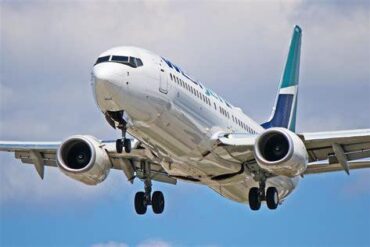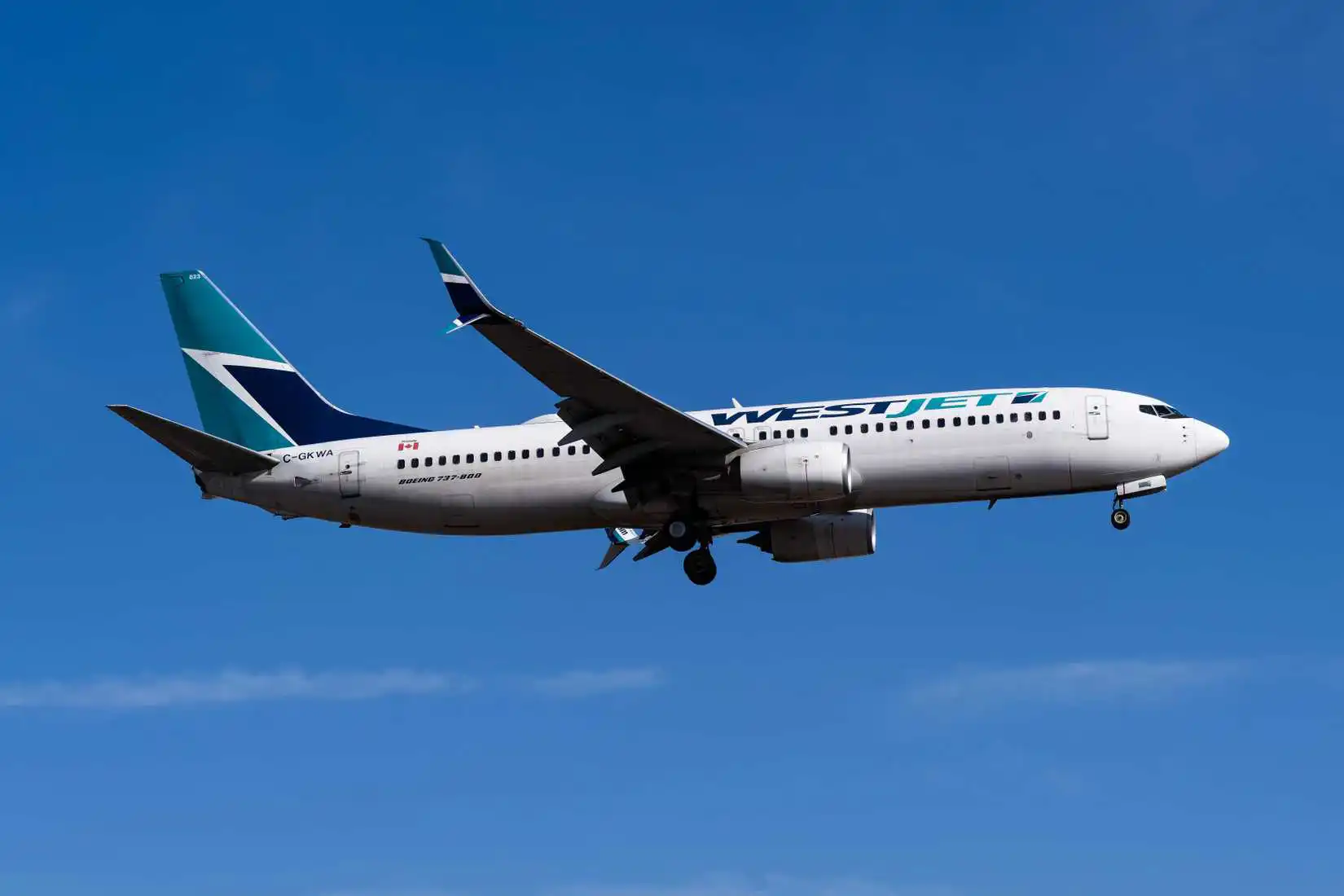
A routine short-haul flight from the Pacific Northwest to the Canadian prairies turned into a stark illustration of ground congestion at one of America’s busiest airports last week, when a WestJet captain publicly aired his frustration over taxi delays that forced his Boeing 737-800 to burn roughly 800 pounds (362 kilograms) of fuel before it ever lifted off from Seattle-Tacoma International Airport (SEA). The incident, which unfolded on Thursday, October 8, 2026, involved WestJet flight WS1553 bound for Calgary International Airport (YYC), and it has reignited broader questions about how construction, runway closures, and relentless passenger growth are conspiring to squeeze efficiency out of an airport that ranks as the twelfth-busiest in the United States.
WestJet Flight WS1553: A Three-Hour Delay Compounded by Thirty-Two Minutes of Taxiing
The troubles for WS1553 began well before the aircraft’s wheels ever turned. According to flight tracking data, the daily service between Seattle and Calgary was scheduled to push back at 10:30 AM local time, but it did not leave the gate until 1:03 PM, a delay of more than three hours that had already left passengers frustrated and cabin crews scrambling. What followed compounded the misery: the narrowbody twinjet was then forced to spend a further thirty-two minutes navigating congested taxiways simply to reach Runway 16L, the departure strip that had been designated for outbound traffic under the airport’s current operating configuration.
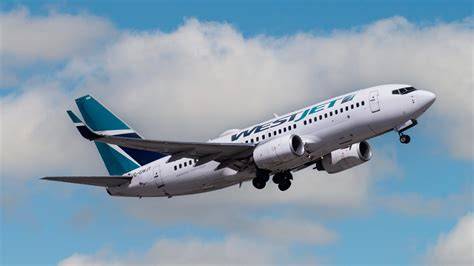
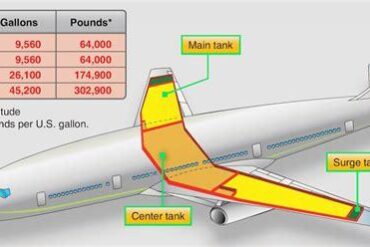
That prolonged ground transit is where the fuel story becomes tangible. Idling and maneuvering on the apron and taxiways consumed approximately 800 pounds of jet fuel, a figure that is far from trivial on a route as short as Seattle to Calgary. The captain acknowledged that a half-hour taxi delay has become almost routine at Seattle, which prompted him to request additional fuel beyond the standard planned quantity before departure. That precaution was not merely a matter of convenience; it was a hedge against the possibility that excessive taxiing would push the aircraft below its legal minimum takeoff fuel reserves, which could have forced a return to the gate, triggered a fresh refueling cycle, and cascaded the delay even further into the day.
The Operational Calculus Behind Extra Fuel Uplift
For airline dispatchers and flight crews, the decision to uplift extra fuel is a delicate balancing act. Every additional pound of fuel increases the aircraft’s weight, which in turn raises burn rates during climb and cruise. On a short sector like Seattle to Calgary, the penalty is modest but real. Yet the alternative, running dry on the taxiway and being compelled to return to the gate for a top-up, is operationally and reputationally worse. The WestJet captain’s decision to request additional fuel reflects an experienced crew’s judgment that ground congestion at SEA has become sufficiently unpredictable to warrant planning for the worst-case taxi scenario rather than the textbook one.
Once airborne at 1:35 PM, the aircraft completed its one-hour and fifty-nine-minute journey northeast, touching down in Alberta’s largest city at 4:02 PM. The flight had departed more than three hours behind schedule, and the 800 pounds of fuel burned on the ground represented a direct, measurable cost of congestion that no amount of in-flight efficiency could recover.
Seattle’s Runway Closure Squeezes Departing Traffic Into a Single Strip
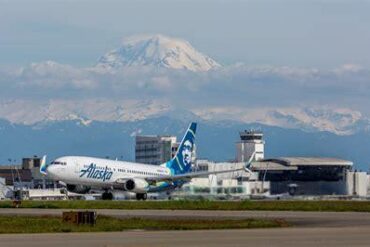
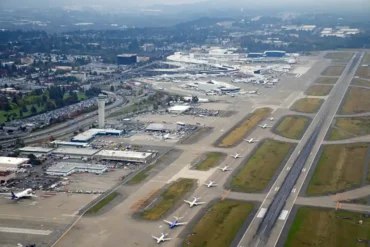
The root cause of the prolonged taxi times is not mysterious. Seattle-Tacoma International Airport normally operates with three parallel runways, but the airport’s center runway, designated 16C/34C, has been taken out of service through November 15 for construction purposes. That closure has forced airlines to operate on just two runways, with departing flights restricted to Runway 16L/34R and arriving aircraft using Runway 16R/34L. The result is a bottleneck that ripples across the entire airfield, stretching taxi queues and leaving aircraft to burn fuel while they wait their turn for takeoff clearance.
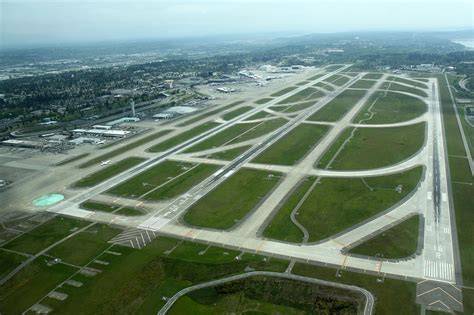
The timing could hardly be worse. SEA handles roughly 1,300 to 1,500 arrivals and departures each day, and passenger footfall has continued to climb year over year. In 2025, the airport processed a record 52.7 million passengers, approximately two percent more than its previous record of 51.8 million set in 2019. Growth of that magnitude, layered atop a runway closure that removes a third of the airport’s parallel capacity, creates precisely the conditions that produced the WestJet captain’s complaint. Ground congestion is no longer an occasional nuisance at Seattle; it is a structural feature of the airport’s current operating reality.
Why the Seattle-Calgary Route Matters to WestJet and Its Rivals
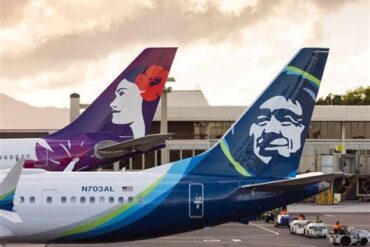
WS1553 is a scheduled daily service, and the Seattle-to-Calgary corridor is contested between WestJet, Canada’s second-largest airline, and Seattle-based Alaska Airlines. The route forms part of a broader network of Canadian destinations served from Seattle, a list that includes Edmonton, Kelowna, Montreal, Toronto, Vancouver, and Victoria. Air Canada and WestJet are by far the largest operators on these cross-border segments, followed by Alaska Airlines and Delta Air Lines. Vancouver remains the busiest Canadian destination from Seattle, with more than 624,000 passengers traveling between the two airports between July 2025 and June 2026, placing the route third among all international routes from SEA behind Taipei and Seoul.
For WestJet, the Seattle-Calgary sector is a competitive battleground where schedule reliability and cost control matter enormously. A three-hour delay and an extra 800 pounds of fuel burn on a single rotation erode margins on a route that already operates on thin per-passenger economics. When taxi delays become systemic rather than episodic, airlines must either absorb the cost, pad their schedules with additional block time, or pass the expense along through higher fares. None of those options is attractive, and all of them ultimately reach the passenger.
The Broader Reckoning With Ground Congestion at Major US Airports
The WestJet episode is a vivid local example of a national pattern. Major US airports are grappling with aging infrastructure, ambitious construction schedules, and passenger demand that has rebounded beyond pre-pandemic levels. At Seattle, the center runway closure is a necessary investment in long-term capacity, but its short-term consequences include exactly the kind of fuel-wasting, schedule-wrecking taxi delays that the WestJet captain described. Crews are left to anticipate these conditions, uplift extra fuel as a buffer, and hope that the queue to the runway does not stretch beyond even their most pessimistic planning assumptions.
What makes the incident noteworthy is not that a flight was delayed, but that a captain felt compelled to speak publicly about the fuel burned simply to reach the runway. That detail transforms an ordinary delay story into a data point about the hidden costs of congestion. Every gallon of jet fuel burned while idling on a taxiway is a gallon that produces no revenue passenger miles, emits carbon without transporting anyone, and adds to an airline’s operating expenses. When multiplied across hundreds of daily departures at a busy airport, the aggregate waste becomes staggering.
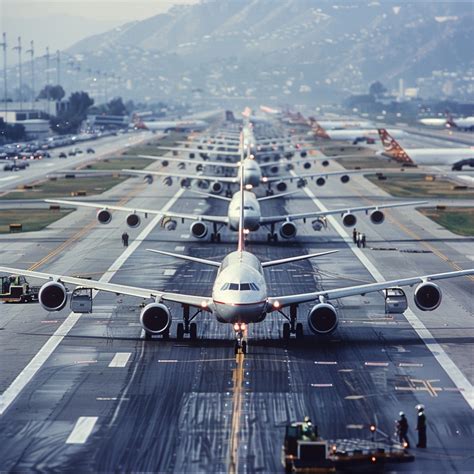
The temporary closure of Seattle’s center runway is scheduled to end on November 15, at which point the airport will restore its three-runway configuration and, presumably, relieve some of the pressure that has made half-hour taxi delays routine. Until then, flights like WS1553 will continue to burn fuel on the ground, crews will continue to request extra uplift as a precaution, and passengers will continue to wonder why a two-hour flight takes five hours from gate to gate. The WestJet captain’s outspoken frustration is a reminder that behind every delayed departure is a chain of operational decisions, infrastructure constraints, and costs that rarely appear on a boarding pass but are very real to the people flying the aircraft.