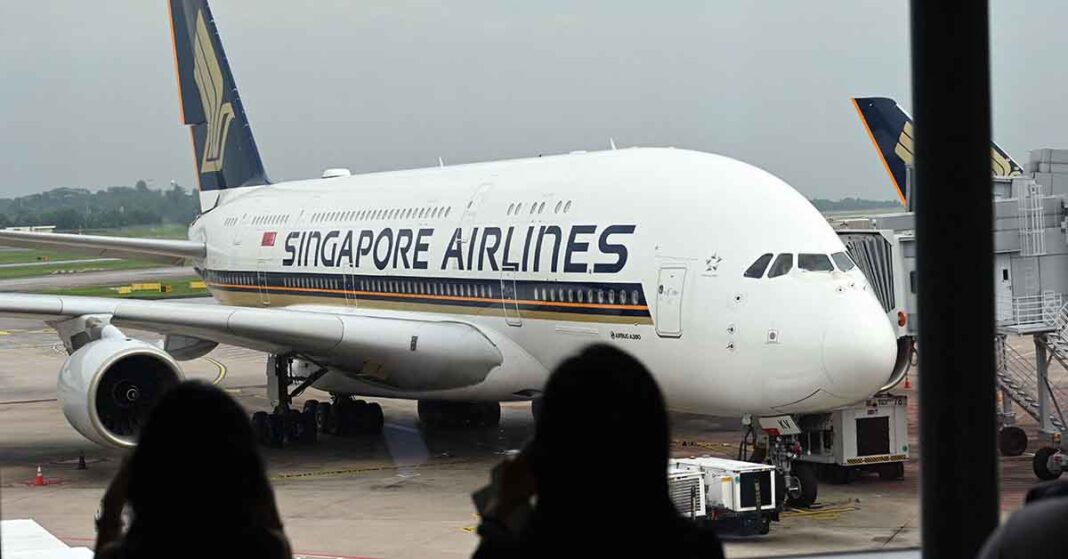
A shellfish allergy horror at 30,000 feet has triggered a legal firestorm against Singapore Airlines, shocking the travel world and raising alarm over rising in-flight allergen risks. What began as a routine business-class journey from Frankfurt to New York suddenly spiraled into a medical nightmare. A physician, confident she’d taken every precaution, ended up fighting for her life mid-air. Meanwhile, the crew’s critical error forced an emergency landing in Paris, shaking the foundation of trust many place in airline safety protocols. The question now looms—how could such a devastating oversight happen, even after a clear warning? Singapore Airlines now faces mounting legal pressure, while passengers around the globe are asking: Are we truly safe from in-flight allergen risks? With the stakes this high, this is more than a food mistake—it’s a wake-up call for an entire industry. What went wrong, and who will be held accountable? Read on.
Shellfish Disaster at 30,000 Feet: Allergy Crisis Triggers Emergency Landing, Legal Fallout
A transatlantic Singapore Airlines flight en route from Frankfurt to New York City was abruptly diverted to Paris after a catastrophic medical emergency turned a routine business-class meal into a life-or-death crisis. The incident involved a 41-year-old Manhattan pediatric emergency physician who reportedly suffered a violent allergic reaction after being served shrimp—despite notifying the cabin crew of her life-threatening allergy prior to takeoff. What was meant to be a serene long-haul journey for Dr. Doreen Benary became a nightmare in the sky, one that now stands at the center of a federal lawsuit filed in the U.S. The case has ignited fierce debate within the aviation and travel industry over food safety, allergy protocols, and emergency preparedness at cruising altitudes.
Flight SQ026 Derails After Medical Emergency
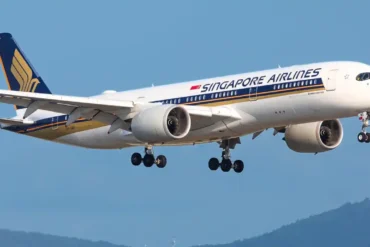
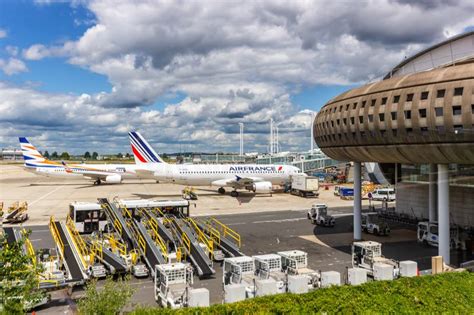
On October 8, 2024, Benary boarded Singapore Airlines flight SQ026 from Germany’s Frankfurt Airport to New York’s JFK. Flying business class, she followed standard procedure by alerting flight attendants to her shellfish allergy, assuming that this would guarantee a safe inflight meal. However, what unfolded next stunned not only the passenger but now, through court records, the public. Despite clear instructions from Benary, a crew member reportedly served her a dish containing shrimp. Hidden among other ingredients, the allergen triggered an almost immediate, violent reaction. According to the lawsuit, Benary became severely ill just minutes after consuming the meal. The situation deteriorated rapidly, prompting the aircraft to divert course and make an emergency landing at Charles de Gaulle Airport in Paris.
Allergy Nightmare Ends in Two-Hospital Ordeal
After touching down in France, Benary was rushed by ambulance to two separate medical facilities. The severity of her allergic reaction required emergency intervention, including what was described as “painful treatment.” The legal complaint highlights a harrowing ordeal—one that may have been entirely preventable. The lawsuit alleges negligence on the part of Singapore Airlines, citing that the crew failed in their duty of care when they served a known allergen despite being forewarned. The complaint underscores the critical responsibility airlines have when dealing with passengers’ medical disclosures, especially those as serious as shellfish allergies.
The Dangerous Gap in Airline Allergy Protocols
This incident is not isolated. Though severe allergic reactions mid-flight remain statistically rare, they are far from unheard of. The airline industry has long wrestled with the challenge of balancing meal diversity with passenger safety, especially for travelers with food allergies. Shellfish allergies, in particular, are among the most dangerous. Even trace exposure can trigger anaphylaxis, a condition that can cause throat swelling, a drop in blood pressure, and airway constriction—potentially leading to death without immediate epinephrine treatment. Yet, many commercial aircraft are not required to carry EpiPens, which are the fastest and most effective response in such emergencies. Instead, current FAA regulations mandate only vials of epinephrine—forms that require accurate measurement and professional medical knowledge to administer.
A Growing Industry Liability
This lawsuit not only shines a light on one woman’s terrifying experience but also on a broader structural vulnerability in the airline sector. As global passenger traffic surges back to pre-pandemic levels, airlines must confront rising scrutiny over in-flight medical readiness and allergen awareness. The legal fallout from this case could serve as a landmark moment, pushing for enhanced airline accountability. It also reopens the conversation around mandatory allergen labeling, improved crew training, and possibly the inclusion of auto-injectable epinephrine devices in standard onboard medical kits. Moreover, the suit may act as a catalyst for more rigorous pre-flight meal customization systems. Technology now allows for personalized nutrition tracking and passenger meal databases—yet many airlines still rely on inconsistent manual checks that leave room for dangerous human error.
Traveler Confidence at Risk
Beyond the courtroom, the implications of this case ripple through traveler confidence. Frequent flyers with severe allergies are watching closely. The idea that even a business class passenger, who took all the right steps, could still fall victim to such negligence sends a chilling message. In an era where travel brands compete on luxury and safety, failing to ensure allergen-free meals for medically vulnerable customers could mean reputational damage, legal consequences, and a potential decline in consumer trust.
Airlines Must Act Before Tragedy Strikes
With the travel industry rebounding, it’s not enough to simply offer gourmet meals and luxury lounges. Today’s passengers demand—and deserve—a safe flying environment, especially when their lives depend on something as fundamental as the food they eat. Airlines, regulators, and travel associations must urgently prioritize standardized allergen protocols, emergency preparedness, and transparency in meal services. The cost of inaction could be measured not just in lawsuits, but in lives lost at 35,000 feet. As Dr. Benary’s story makes headlines across the globe, the aviation sector stands at a critical crossroads. Will it rise to meet the challenge—or wait for an even more devastating crisis before changing course?