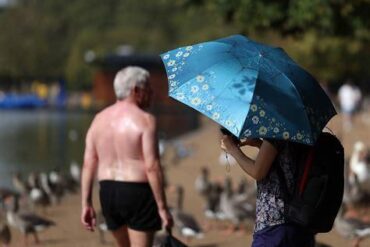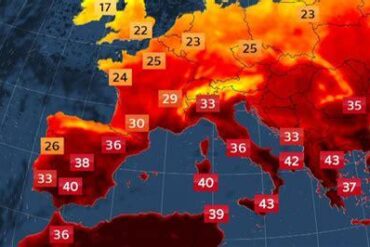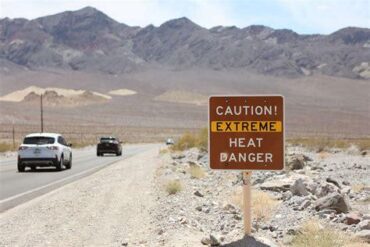
A brutal heat wave is sweeping across Spain, Portugal, France, Germany, Italy, Belgium, and the UK, leading to urgent health warnings as temperatures skyrocket above 40°C (104°F). This extreme weather phenomenon, driven by a persistent heat dome over Western Europe, has caused a significant public health crisis and placed immense strain on local infrastructure. Authorities in these nations are urgently advising residents to stay indoors, maintain hydration, and avoid strenuous outdoor activities. The risks of heat-related illnesses and wildfires have escalated dramatically as the region confronts one of the most severe heatwaves in recent history, with little relief anticipated in the near future.
Southern Europe: The Epicenter of Heat
Among the hardest-hit countries, Portugal has recorded staggering temperatures, with the town of Mora reaching an astonishing 46.5°C (115.8°F). This figure surpasses the previous national record of 45°C (113°F) set just a few years prior in 2017. In response to this alarming trend, the Portuguese government has issued heatwave warnings for seven of its eighteen districts, urging citizens to limit sun exposure and exercise caution during the peak hours of heat.
Similarly, Spain is grappling with extreme temperatures that have surpassed 46°C (115°F) in several regions, breaking long-standing records dating back to 1965. Cities such as Bilbao and Zaragoza are experiencing temperatures that are 9°C higher than the seasonal average, exacerbating the adverse effects of the ongoing heatwave.

France’s Response: Red Alerts and Safety Measures
In France, authorities have taken significant steps to address the escalating situation, issuing their first red alert for extreme heat in five years, affecting Paris and fifteen other regions. As a precautionary measure, the iconic Eiffel Tower has been closed to the public, highlighting the seriousness of the heatwave. The elevated temperatures have intensified the risk of wildfires, particularly in southern regions where drought-like conditions prevail. With rainfall levels plummeting and soil moisture critically low, fire hazards are considerably heightened. In light of these dangers, schools in affected areas have either partially or fully closed to ensure the safety of students and staff.
Strain on Healthcare Systems Across Europe
The relentless heat is taking a toll on healthcare systems throughout Europe. In Italy, for example, the region of Tuscany has reported a 20% increase in hospital admissions related to heat-induced illnesses. The country remains under high heat alerts, with tragic incidents occurring in places like Sicily, where a woman fainted and died due to the extreme conditions. In Bologna, a construction worker collapsed under the oppressive heat. Public health authorities have swiftly responded by providing free access to public swimming pools for elderly citizens and imposing restrictions on outdoor labor during the hottest parts of the day.
Record-Breaking Heat: Northern Europe Not Exempt
Even Germany is not immune to the heat wave, as temperatures are projected to exceed 40°C (104°F). This year marks one of the driest periods in decades for the country, with historic lows in rainfall compounding the effects of the heat. Labor unions have called upon the government to enact protective measures for vulnerable populations, including children and school staff, in light of the ongoing crisis. In Belgium, transportation services have been severely disrupted, with train cancellations reported as rail operators recommend working from home to mitigate further complications.
In the UK, the scorching heat has led to its hottest June on record, with temperatures soaring above 32°C (90°F). The conditions even forced a temporary suspension of matches at the prestigious Wimbledon tennis tournament after a spectator fainted due to heat exhaustion.
Vulnerable Groups: At Greater Risk
The extreme heat poses particular dangers for vulnerable groups, including children, the elderly, outdoor workers, and pregnant women. The Centers for Disease Control and Prevention (CDC) has issued warnings indicating that these demographics are more susceptible to heat-related illnesses. In many European countries, air conditioning is not as prevalent as in other parts of the world, exacerbating the impact of the heatwave.
As Spain, Portugal, France, Germany, Italy, Belgium, and the UK grapple with this intense heat wave, it is crucial for individuals to take proactive measures to safeguard their health. Staying hydrated, wearing lightweight clothing, and avoiding physical exertion during the hottest parts of the day are essential steps to prevent heat-related illnesses. Additional strategies include using fans, taking cool showers, and remaining indoors as much as possible.
Conclusion: A Call to Action
The ongoing heatwave serves as a stark reminder of the urgent need to address climate change and its far-reaching consequences. As temperatures continue to rise and weather patterns shift, governments and citizens alike must come together to implement strategies that protect public health and ensure the safety of vulnerable populations. By adhering to local guidelines and taking the necessary precautions, individuals can navigate these challenging conditions while contributing to broader efforts to combat climate change and its impact on our environment.
The current crisis is a wake-up call for Europe and the world; immediate action is required to mitigate the effects of such extreme weather events in the future.