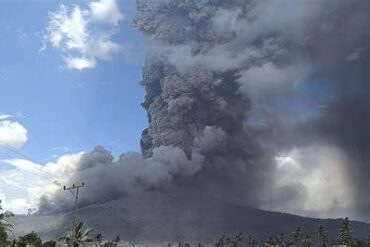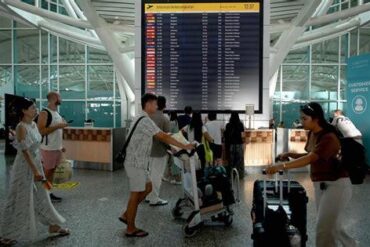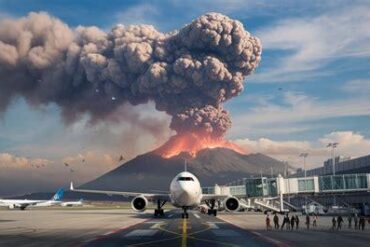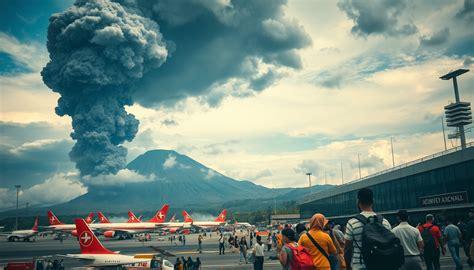
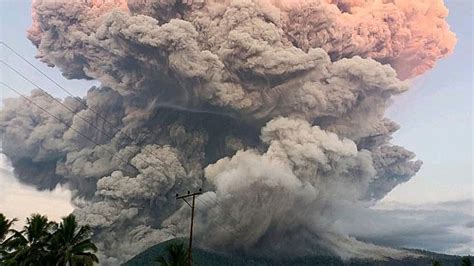
The recent eruption of Mount Lewotobi Laki-Laki, situated in East Nusa Tenggara, Indonesia, has created a monumental disruption in international air travel. With ash clouds soaring to altitudes as high as 18 kilometers, major airlines have faced significant challenges, particularly affecting flights to and from Bali, one of the world’s most sought-after tourist destinations. This volcanic activity has not only led to widespread flight cancellations and delays but has also raised pressing concerns about the safety of travelers and airline personnel.
Airlines Affected by the Eruption
Several prominent airlines have experienced severe disruptions due to the eruption. Among the most impacted are Virgin Australia and Jetstar, two of Australia’s leading carriers serving Bali. Virgin Australia has confirmed the cancellation of at least three flights to Bali, emphasizing its commitment to passenger safety. The airline is actively working on rebooking efforts for affected travelers to minimize inconvenience. Similarly, Jetstar has been compelled to cancel numerous flights and is directly notifying passengers about any changes to their travel plans.
Another key player in the region, Qantas, has not yet reported specific cancellations but is dealing with extensive delays. The airline continues to monitor the movement of the ash cloud closely and is adjusting its schedules accordingly to ensure safety. Singapore Airlines has also seen cancellations for flights between Singapore and Bali, while Air India has suspended several flights to Bali as a precautionary measure due to the ash cloud’s potential hazards. Furthermore, Air New Zealand, which caters to a considerable number of travelers from New Zealand to Bali, has faced disruptions, including both cancellations and delays. Chinese airline Juneyao Air has similarly suspended its flights to Bali, amplifying the chaos in international travel.
Countries Impacted by the Eruption
The eruption’s ramifications extend well beyond Indonesia, with significant flight cancellations primarily affecting routes between Bali and several key countries. Australia has felt the brunt of this disruption, as cities such as Sydney, Melbourne, and Perth have reported numerous flight cancellations. For many Australians, Bali is a favored vacation spot, and the inability to access the island has left thousands stranded.
Singapore, another vital market for Bali tourism, has also been significantly impacted. Flights from Singapore to Bali have encountered major disruptions, leaving numerous travelers grappling with cancellations. Similarly, India is facing challenges, with flights from major cities like Delhi and Bengaluru to Bali suspended due to the ash cloud. This situation has complicated travel plans for Indian tourists eager to visit the island.
New Zealand, a frequent source of visitors to Bali, has not escaped the fallout either, with several flights canceled or delayed. Additionally, travelers from China are facing hurdles, as Juneyao Air’s cancellations have further complicated plans for Chinese nationals intending to visit Bali.
Safety and Travel Advisory
In the wake of the eruption, Indonesia’s internal geohazard and volcanology agency, MAGMA, has issued its highest-level emergency alert. The ash cloud, rising up to 18,000 meters, poses a considerable threat to air traffic safety, prompting authorities to expand the exclusion zone around the volcano. The risk of pyroclastic flows, which have traveled up to 5 kilometers down the slopes of the volcano, adds to the overall danger associated with this natural disaster.
Travelers are strongly advised to maintain close communication with their airlines to receive timely updates regarding flight statuses. While airlines are diligently working to rebook affected passengers and provide alternative solutions, the ongoing volcanic activity means that flight schedules will remain fluid and subject to change. It is crucial for travelers to adhere to safety advisories issued by local authorities to ensure their well-being during this volatile period.
Broader Impacts on Global Tourism
The eruption of Mount Lewotobi Laki-Laki is not just a challenge for airlines; it is also having profound implications for the broader tourism industry. Bali, renowned for its vibrant tourism sector, heavily relies on international travelers, particularly those coming from Australia, Singapore, and India. With thousands unable to reach the island, the local economy is poised to suffer serious repercussions. Hotels, tour operators, and local businesses are likely to feel the impact of this disruption for an extended period.
This catastrophic event occurs at a time when international travel was beginning to rebound from the challenges posed by the global pandemic. It serves as a stark reminder of the unpredictable nature of travel, especially when natural disasters like volcanic eruptions interfere with aviation infrastructure. For airlines, the eruption has resulted in costly delays, complicated rebooking processes, and a surge in refund requests. Travel agencies are likewise contending with a wave of inquiries and a substantial number of affected bookings.
As the eruption continues and the ash cloud lingers, travelers who had initially planned trips to Bali are now considering alternative destinations. Countries in Southeast Asia, in proximity to Indonesia, may see an influx of tourists looking to bypass the disruptions caused by this volcanic activity. Destinations like Thailand, Malaysia, and the Philippines could experience a surge in bookings as travelers redirect their plans to avoid the chaos.
Conclusion
The ongoing eruption of Mount Lewotobi Laki-Laki presents significant challenges for both travelers and airlines across the globe. Major carriers such as Virgin Australia, Jetstar, Singapore Airlines, and others have been forced to cancel or adjust numerous flights due to the ash cloud, impacting passengers traveling between Bali and key countries like Australia, Singapore, India, China, and New Zealand. The economic ramifications for Bali’s tourism industry are already manifesting, and as the situation evolves, the full extent of the consequences for global travel remains uncertain. Travelers are urged to monitor their flight statuses through official airline channels and heed any travel advisories issued by authorities. For Bali, a destination that thrives on tourism, this eruption serves as yet another reminder of the vulnerability of the global travel landscape to natural disasters. It underscores the necessity for resilience and adaptability in the face of unpredictable events that can affect millions and disrupt international travel.