The Government of India has made headlines after formally blocking the United Nations’ International Civil Aviation Organization (ICAO) from participating in the investigation of the devastating Air India Boeing 787-8 Dreamliner crash, which occurred on June 12, 2025, near Ahmedabad. This unprecedented move has sparked concerns over transparency and international cooperation in what is now regarded as the deadliest aviation disaster in a decade.
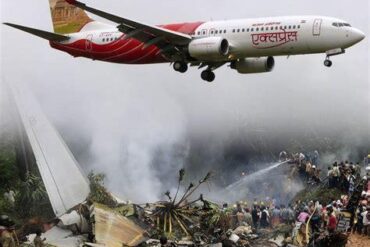
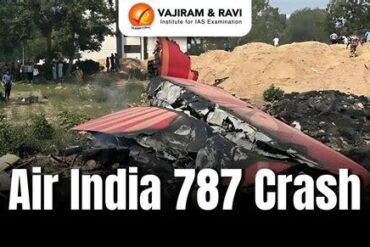
The fatal crash of Air India Flight AI171, en route from Ahmedabad to London Gatwick, claimed 260 lives, including passengers, crew members, and residents on the ground. The aircraft, a state-of-the-art Boeing 787-8 Dreamliner, failed to gain altitude shortly after takeoff and slammed into a densely populated residential area, igniting fires and causing widespread destruction.
UN’s Attempt to Assist Blocked by Indian Authorities
In a rare and controversial development, the ICAO, the specialized UN aviation body responsible for promoting safe air travel worldwide, offered to deploy one of its investigators to assist in the high-profile probe. Sources familiar with the matter revealed to Reuters that India declined the request, marking the first known instance where a UN aviation agency was blocked from directly participating in a major commercial aviation disaster investigation.
Traditionally, the ICAO only steps in when formally invited by the state in which the incident occurred. Previous examples include the agency’s involvement in the downing of Malaysia Airlines Flight MH17 over Ukraine in 2014 and the tragic shootdown of a Ukrainian International Airlines Boeing 737 near Tehran in 2020.
In this case, however, the ICAO sought observer status, with an investigator already stationed in India prepared to engage. Despite that, Indian authorities firmly rejected the request, signaling their intent to maintain full control over the process.
India Asserts Control Over Crash Investigation
India’s Aircraft Accident Investigation Bureau (AAIB) is leading the investigation, supported by technical experts from the US National Transportation Safety Board (NTSB) and the UK’s Air Accidents Investigation Branch (AAIB). These international agencies are involved due to the aircraft’s US manufacturer (Boeing) and UK-engineered components, giving them “expert” status within the probe.
India’s civil aviation ministry emphasized that, consistent with Annex 13 of the Convention on International Civil Aviation, only Indian authorities are authorized to release official information regarding the incident. This legal stance reinforces India’s sovereignty over domestic investigations but has drawn criticism amid calls for greater international collaboration.
Black Box Data Holds Crucial Answers
Investigators recently retrieved the Cockpit Voice Recorder (CVR) and Flight Data Recorder (FDR), commonly known as “black boxes,” from the wreckage. One recorder was discovered atop a building near the crash site on June 13, while the second was recovered from debris on June 16.
These devices are critical for understanding the final moments before the crash. The CVR captures cockpit conversations and ambient sounds, while the FDR records essential flight parameters, including altitude, airspeed, and system performance.
On June 24, 2025, a joint team comprising India’s AAIB and US NTSB officials commenced extracting and analyzing data from the black boxes. The Crash Protection Module of the CVR was found intact, and the data was successfully downloaded by June 25 at AAIB’s laboratory facilities. Earlier reports had speculated the black boxes might be sent to the US, but Indian authorities opted to retain the critical evidence domestically.
Global Scrutiny and Rising Questions of Transparency
The crash of Air India Flight AI171 has reignited debates surrounding aviation safety, accountability, and the importance of transparent investigations. Experts argue that excluding the ICAO raises red flags, particularly as this incident marks the first-ever fatal crash involving a Boeing 787-8 Dreamliner in India.
Given the scale of the disaster, independent oversight is viewed by many in the international aviation community as essential to ensuring objectivity and comprehensive findings. However, Indian officials maintain that with the expertise provided by the NTSB and UK AAIB, the probe meets global standards.
A senior Indian official stated, “We respect the ICAO’s role but believe the involvement of Boeing, the NTSB, and the UK’s accident investigators provides sufficient technical capacity.”
Nonetheless, critics argue that India’s rejection of the UN’s offer undermines confidence in the investigation’s independence, especially as domestic aviation oversight has faced scrutiny in recent years.
Victim Identification and Ongoing Recovery Efforts
Tragic details continue to emerge from the aftermath. Indian authorities confirmed that 259 victims have been recovered and identified, with one individual remaining unaccounted for. Among the casualties, 241 were onboard, comprising 230 passengers and 11 crew members, while 19 fatalities occurred on the ground.
Miraculously, one passenger survived, though their condition remains critical. The revised death toll, initially estimated at 270, was updated following detailed forensic examinations.
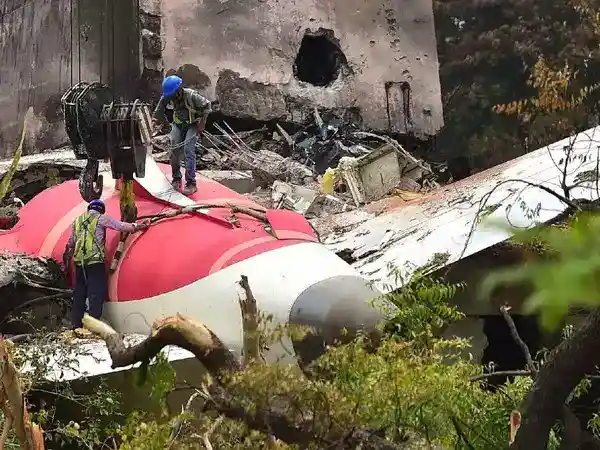
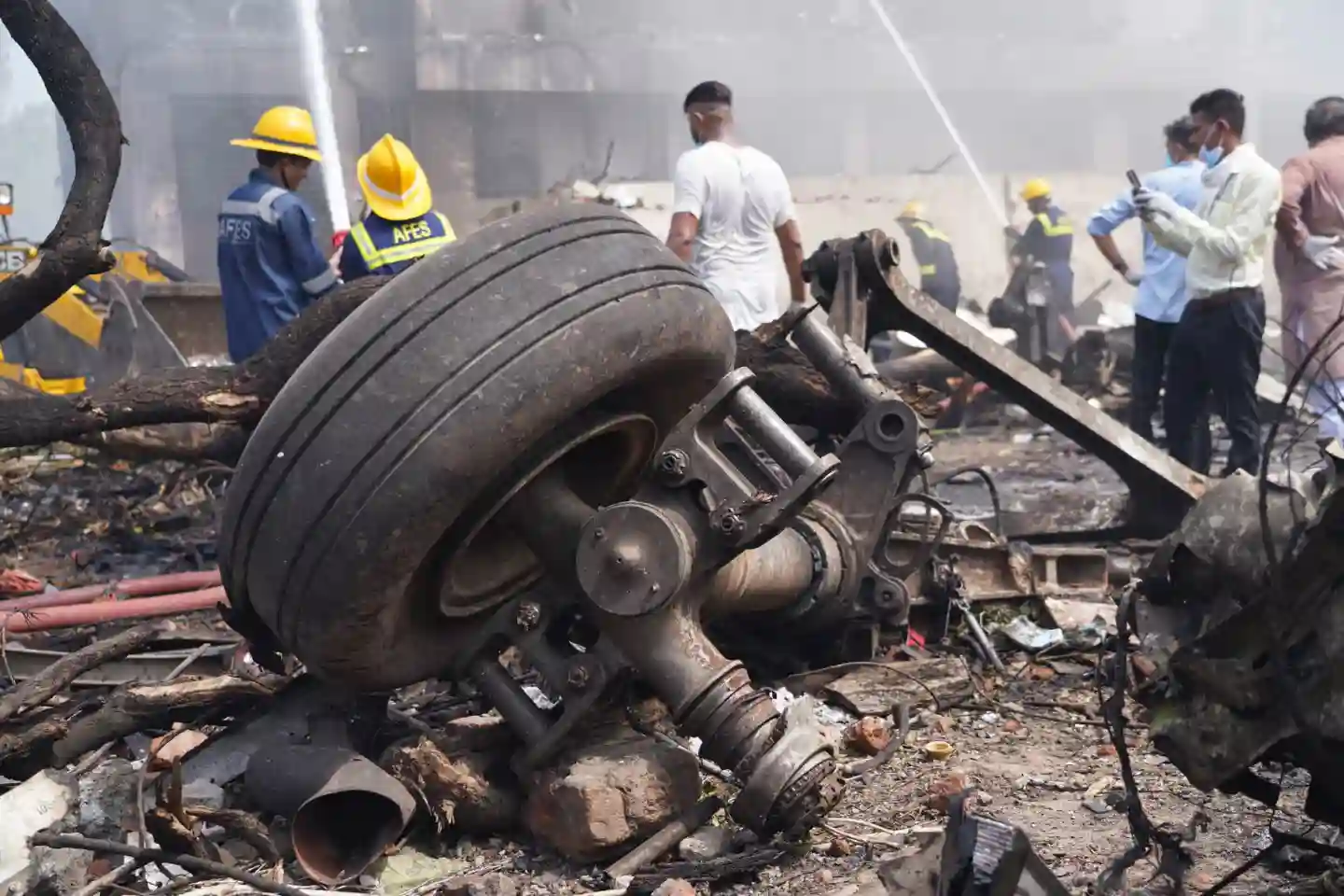
The impact site, located over a kilometer from Ahmedabad’s Sardar Vallabhbhai Patel International Airport, witnessed scenes of devastation as the aircraft tore through residential blocks. Emergency services, aided by military units, worked for days to extinguish fires, search for survivors, and stabilize the area.
Broader Implications for Air India and Aviation Safety
The catastrophe has amplified scrutiny of Air India, particularly after reports surfaced linking the crash to maintenance and operational lapses. In a parallel development, the Indian Directorate General of Civil Aviation ordered the dismissal of three Air India employees over alleged safety violations just days after the incident.
The 2025 tragedy has tarnished the reputation of the national carrier, which had been undergoing significant restructuring under the Tata Group’s ownership. With Air India striving to regain its status as a global airline, the disaster represents a severe setback to its modernization and expansion efforts.
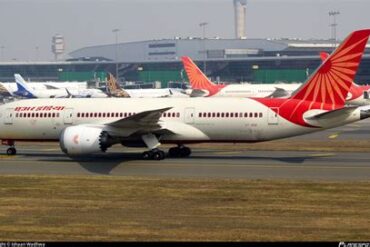
Moreover, questions linger regarding the Boeing 787-8 Dreamliner itself. Despite its reputation for advanced safety systems, this marks the first major fatal incident involving the type in Indian skies. Aviation analysts are awaiting black box analysis results to determine whether mechanical failure, pilot error, or other factors played a role.
Conclusion: Sovereignty Versus Global Aviation Norms
The decision by India to block the UN’s ICAO from observing the crash investigation reflects a complex balancing act between national sovereignty and adherence to international aviation norms. While India asserts its right to lead the probe with assistance from key technical stakeholders, the refusal to involve the ICAO risks eroding public trust and fueling perceptions of opacity.
The final investigation report, expected in the coming months, will be pivotal in shaping future aviation safety reforms and determining accountability. Until then, families of the victims, industry experts, and the global community continue to demand transparency, justice, and the answers needed to prevent such a catastrophe from happening again.