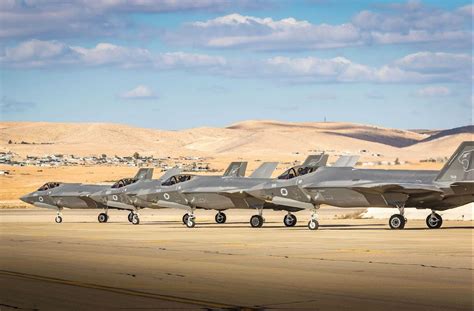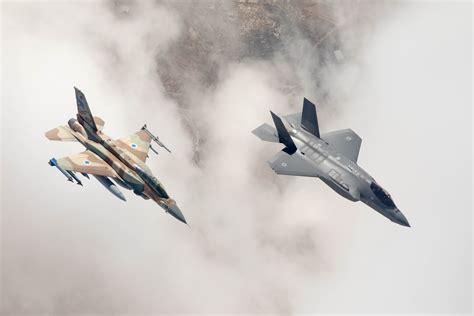
In a powerful display of technological might and military precision, nearly 200 Israeli fighter jets launched a massive pre-dawn airstrike against Iranian nuclear and military facilities, sending shockwaves through the region. Operation Rising Lion (Am Kalavi) marks one of the most significant uses of air power in the Middle East in years, targeting nearly 100 Iranian sites with more than 330 precision-guided munitions.
Israeli Airpower Unleashed: F-35I Adir Leads the Charge
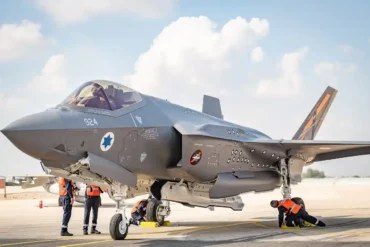
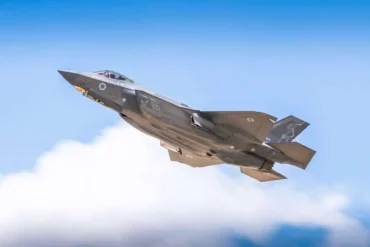
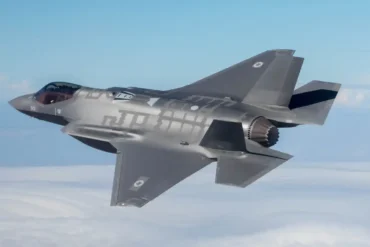
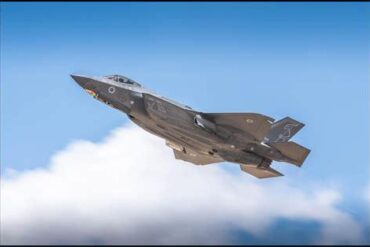
At the heart of this extraordinary operation was the F-35I “Adir”, a fifth-generation stealth jet that is not only the cornerstone of the Israeli Air Force’s (IAF) future warfare doctrine but also a testament to Israeli defense ingenuity. The Adir, a heavily customized variant of the Lockheed Martin F-35A Lightning II, traversed nearly 2,000 kilometers round trip to strike targets deep inside Iran. Its role was pivotal: bypassing one of the most sophisticated air defense networks in the Middle East undetected and delivering lethal precision.
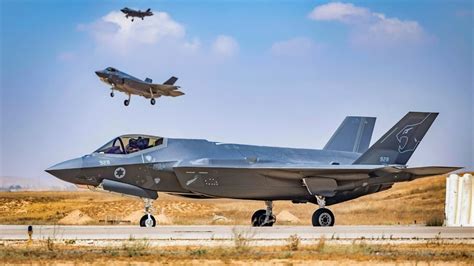
What sets the F-35I apart is not just its stealth, but its locally integrated C4I suite—a revolutionary data-sharing capability that fuses real-time battlefield intelligence across the IAF fleet. This interoperability with legacy platforms such as the F-15I Ra’am and F-16I Sufa made the multi-wave strike seamless and devastating. Unlike standard F-35As, the Adir’s unique modifications also include external fuel tanks, enabling extended-range missions without aerial refueling—essential for deep penetration missions like this.
Echoes of History: Operation Opera 2.0
The scale and audacity of the operation are being compared to Operation Opera in 1981, when Israel destroyed Iraq’s Osirak nuclear reactor. Just like then, none of the Israeli jets were shot down, and all returned to base safely. This comparison is more than symbolic—it reflects Israel’s strategic doctrine: swift, decisive, and surgical airstrikes to neutralize existential nuclear threats.
F-16I Sufa: Multirole Marvel of Israeli Skies
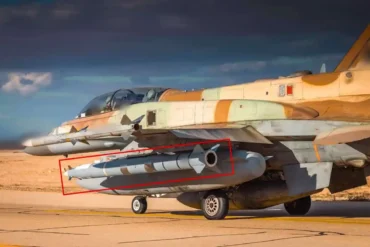
Backing the Adir were dozens of F-16I “Sufa” multirole fighters, aircraft that have earned a fearsome reputation in precision strikes over the past two decades. These upgraded variants of the F-16 Fighting Falcon are modified by Israel Aerospace Industries and fitted with conformal fuel tanks, advanced avionics, and pilot-assistive Elbit Dash IV helmet displays.
The Sufa’s impressive weapons suite includes Python 4/5 air-to-air missiles, AGM-65 Maverick, and precision-guided JDAM bombs. The integration of Israel’s Elbit mission computer ensures effortless coordination with F-35s and F-15s. In Operation Rising Lion, the Sufas were deployed for low-altitude, high-intensity bombing raids, targeting Iranian radar installations, air bases, and suspected underground enrichment sites.
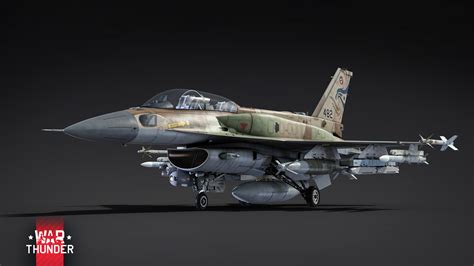
Since entering service in 2004, the F-16I has been involved in numerous preemptive strikes, including the 2007 attack on Syria’s nuclear reactor. Its proven ability to evade enemy radar and deliver pinpoint strikes under challenging conditions made it a crucial asset in the Iranian offensive.
F-15I Ra’am: Thunder Over Iran
Completing the triad was the formidable F-15I Ra’am (Thunder)—Israel’s long-range strike powerhouse. Derived from the Boeing F-15E Strike Eagle, the Ra’am brings brute force and flexibility, capable of carrying a massive weapons payload across thousands of kilometers.
In this operation, the Ra’am’s role was vital in destroying deeply buried targets and high-value infrastructure, particularly the multi-level uranium enrichment facility near Natanz. These jets, equipped with bunker-busting ordnance such as GBU-28s and GBU-31 JDAMs, obliterated hardened sites that form the backbone of Iran’s nuclear capabilities.
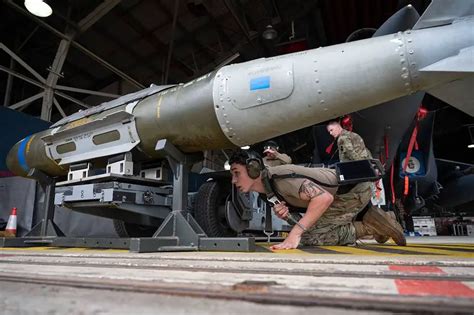
The Ra’am’s battlefield track record includes 2007’s Operation Orchard, a testament to its continued relevance in today’s high-threat environments. In Operation Rising Lion, they worked in concert with stealthier F-35Is, entering cleared corridors to finish off primary and secondary targets with overwhelming firepower.
Natanz: The Strategic Epicenter of Destruction
According to the Israeli Defense Forces (IDF), the Natanz uranium enrichment complex was the focal point of the attack. A large section of the underground facility—believed to house centrifuges, electrical grids, and control systems—was damaged or destroyed. The multi-story subterranean hall, long suspected of being the centerpiece of Iran’s nuclear ambitions, was compromised.
In their statement, the IDF noted: “Critical infrastructure enabling the site’s continuous operation and the Iranian regime’s ongoing efforts to obtain nuclear weapons were targeted.” The strategic blow dealt to Iran’s nuclear timeline is expected to set back its ambitions by several years.
Iran’s Air Defenses: Caught Off Guard Again
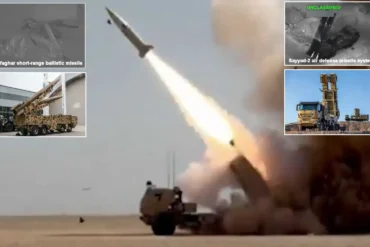
This was not the first time Israel tested Iran’s defenses—and found them lacking. In October 2024, Israel launched a smaller strike that targeted and successfully destroyed Iran’s top-tier anti-aircraft systems, including Bavar-373 batteries and radar stations around Karaj and Tehran.
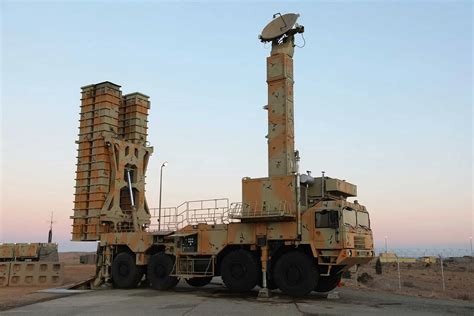
That operation, largely seen as a “trailer” for a larger campaign, cleared the way for the full-scale bombardment in 2025. By neutralizing Iran’s early-warning and interception capabilities in advance, Israel was able to carry out follow-up strikes with impunity, demonstrating long-range planning and multi-phase strategic depth.
Iran’s Response: Leadership Decapitated
Initial reports from Iranian state and regional media confirm that the Chief of Staff of the Iranian Armed Forces, the Commander of the IRGC, and the Commander of Iran’s Emergency Command were killed in targeted strikes. These precision decapitation strikes are part of Israel’s long-standing strategy to disrupt and demoralize hostile command chains.
The continued strikes since the initial wave suggest no signs of de-escalation, as the IAF keeps up pressure across Tehran, Esfahan, Karaj, and western Iran. Dozens of radar stations, SAM launchers, and hardened command bunkers have been destroyed, severely compromising Iran’s military readiness.
F-35I in Combat: A Message to Critics
The battlefield success of the F-35I Adir delivers a clear message to skeptics—including high-profile critics like Elon Musk, who had recently questioned the F-35’s value given its cost and reliability issues. In contested, peer-level environments, the Adir proved its stealth and strike capabilities, operating undetected and delivering hits at great depth with zero combat losses.
Israel remains the only country to have used the F-35 in high-intensity combat environments. It became the first nation to deploy the aircraft in combat back in 2018, mostly against non-state actors. However, the latest strike marks the second instance of the Adir striking targets in a nation-state with a formidable defense structure.
The Path Ahead: A Prolonged Campaign?
While Israel has not officially declared a prolonged air campaign, continued IAF operations suggest that this strike is not a one-off. Iranian assets across Iraq, Syria, and Lebanon are now on high alert, expecting retaliatory strikes or follow-up Israeli missions. Given the regional tensions and the sheer scale of the destruction, a new phase of asymmetric warfare may be unfolding.
What’s evident is that Israel’s airpower dominance, grounded in technological customization, pilot training, and strategic clarity, has once again rewritten the rulebook on preemptive warfare in the Middle East.