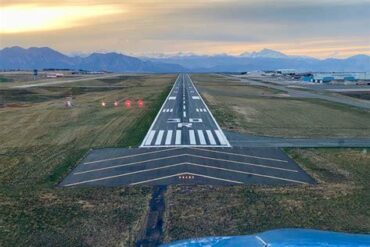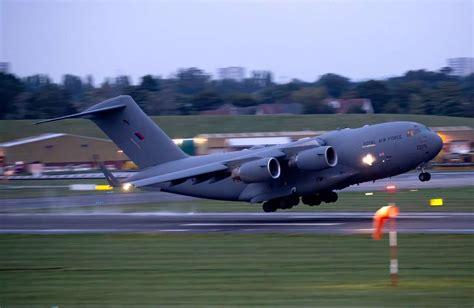
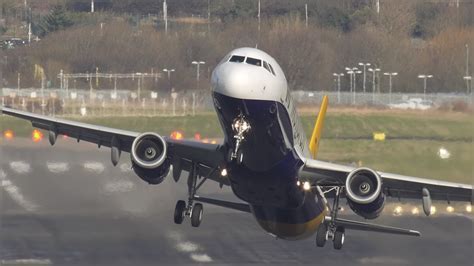
A touch and go landing can appear strange to the untrained eye — a jet descends, makes contact with the runway, then instantly surges back into the sky without coming to a full stop. For casual observers, this aerial ballet might look like a pilot’s error or a change of mind mid-landing. In reality, it’s a deliberate and essential maneuver used across all levels of aviation, from rookie pilots in training to elite professionals testing emergency response protocols.
At its core, the touch and go is not a mistake. It’s a critical skill-building and proficiency-maintaining exercise, and it plays a significant role in flight safety, efficiency, and emergency preparedness.
What Is a Touch and Go Landing?
A touch and go is an aviation maneuver where an aircraft lands on a runway and then takes off again without coming to a complete stop. This technique allows pilots to string together multiple takeoffs and landings within a single flight, forming a continuous loop of approach, touchdown, and ascent.
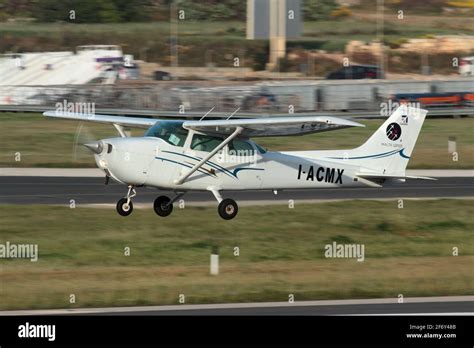
Touch and go landings are predominantly seen in pilot training programs, but their application stretches into professional military, commercial, and cargo flight operations as well. While each instance of a touch and go serves a unique purpose, the overarching goal is the same: to reinforce muscle memory, decision-making skills, and aircraft control during the most critical phases of flight.
Flight Schools: Where It All Begins
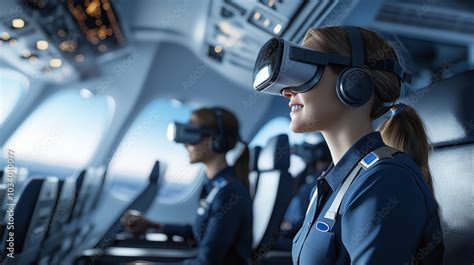
For student pilots, mastering the landing is among the most challenging components of flight. Landing requires precise coordination of airspeed, pitch, throttle control, and environmental awareness. Unlike simulations or static training exercises, touch and go landings offer real-world, rapid-fire repetition.
In flight schools, instructors often schedule sessions where students perform six to eight touch and gos in under an hour. The repetitive nature of the drill allows pilots to:
- Practice landing flare timing, the moment when a pilot lifts the nose slightly before touchdown to ensure a smooth landing.
- Improve traffic pattern management, involving precise turns and altitude adjustments around an airport.
- Develop responses to crosswind conditions, a frequent challenge during landings.
- Learn to reconfigure aircraft systems on the fly — adjusting flaps, throttle, and trim without hesitation.
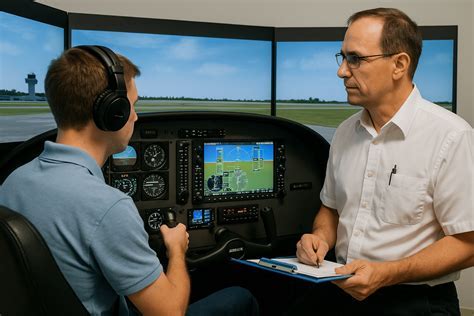
This exercise teaches future aviators how to think under pressure, multitask in high-speed scenarios, and seamlessly transition from descent to climb. The time saved is also significant — rather than landing, taxiing back, and taking off again, the aircraft stays in a fluid cycle, maximizing instructional value.
Not Just for Beginners: How Professionals Use Touch and Go
Though most often associated with trainees, touch and gos are equally vital for professional pilots. Commercial airline pilots, cargo crews, and military aviators all rely on touch and go maneuvers to:
- Stay current with flight certifications and safety checkrides.
- Practice emergency go-arounds, where a landing must be aborted due to runway hazards or sudden changes in weather.
- Test landing gear performance and evaluate aircraft handling after maintenance.
- Refine performance in crosswind or low-visibility scenarios.
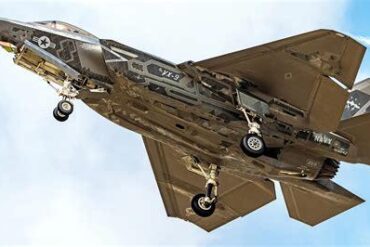
Military pilots, in particular, conduct high-frequency touch and go cycles as part of their readiness programs. Aircraft like the F/A-18 Hornet or C-130 Hercules undergo rigorous landing and takeoff drills on both land-based runways and aircraft carriers, where precision is non-negotiable.
Additionally, commercial aviation regulations often mandate that pilots demonstrate continued proficiency in takeoff and landing procedures, especially when operating under new flight conditions or transitioning between aircraft models.
Emergency Training and Abort Scenarios
Beyond training and certification, touch and gos serve as simulations for real-life emergency procedures. In the event of a sudden obstacle on the runway, weather deterioration, or equipment failure, pilots must quickly execute a go-around — abandoning the landing to regain altitude and reassess.
The muscle memory and instinct honed through touch and go drills enable pilots to:
- Recognize a compromised landing early.
- Apply full throttle and establish a safe climb angle.
- Navigate away from the danger zone with minimal delay.
These critical seconds can make the difference between a near miss and a fatal incident. By frequently practicing touch and gos, pilots embed these emergency responses into instinct.

Efficiency on the Tarmac
Touch and go operations are not just about safety and skill — they’re also remarkably time-efficient. For instructors and aviation operators, the maneuver minimizes downtime between repetitions. Each pass builds more data and experience per flight hour than traditional stop-and-go landings.
At busy flight schools, this efficiency reduces airfield congestion, maximizes instructor-to-student time ratios, and improves overall scheduling predictability. Many general aviation airports are equipped with dedicated training patterns, enabling nonstop touch and go operations throughout the day without disrupting commercial traffic.
Regulatory and Environmental Considerations
While touch and gos offer tremendous value, they’re not always feasible everywhere. Noise restrictions, especially near residential zones, often place limits on training sessions. Some airports enforce time windows or touch-and-go curfews, particularly during early mornings or late evenings.
Additionally, in congested Class B and Class C airspace, air traffic control (ATC) must carefully coordinate touch and go permissions to prevent runway conflicts. In high-traffic airports, the maneuver is often restricted or banned altogether, reserving it for quieter regional or dedicated training airfields.
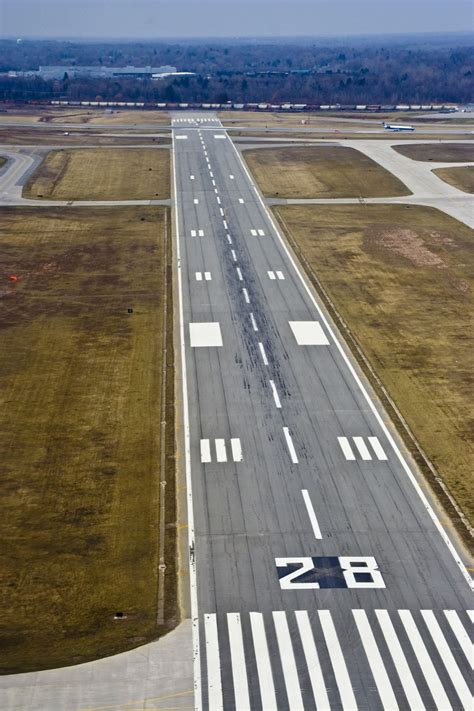
Environmental factors also influence the feasibility. Wet, icy, or short runways reduce safety margins during the transition from landing to takeoff. In such conditions, touch and gos are either heavily monitored or suspended until conditions improve.
Aircraft Types and Suitability
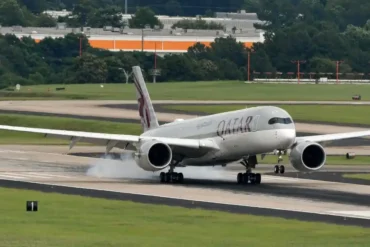
While touch and go landings are a staple of small training aircraft like the Cessna 172, they’re also performed by a range of larger aircraft under specific conditions. Commercial jets occasionally undergo touch and go tests post-maintenance or during pilot type-rating exercises.
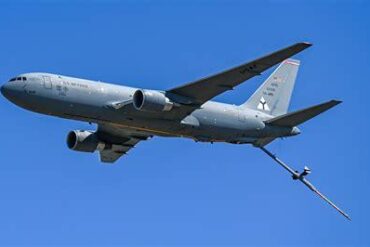
Military aircraft — from fighter jets to transport planes — routinely perform touch and go drills, especially on shorter tactical runways or carrier decks. These practices reinforce the pilots’ adaptability under rapidly changing scenarios.
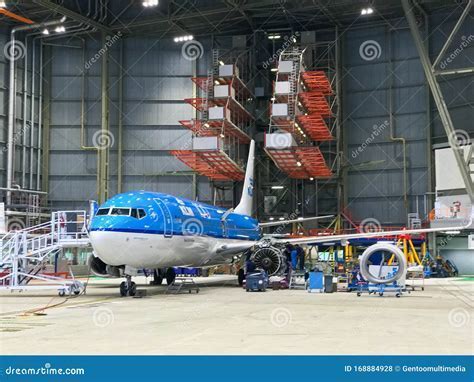
That said, not all aircraft are suited for frequent touch and go maneuvers. Larger, heavier models face higher stress on landing gear and braking systems, making repetitive cycles less common unless specifically warranted. Such operations are generally performed under the oversight of flight test engineers or regulatory authorities.
Public Misconceptions and Media Attention
Touch and gos can draw confused or alarmed reactions from passengers and bystanders unfamiliar with the maneuver. In some cases, particularly with larger commercial aircraft, the sudden surge back into flight has led to media speculation or emergency false alarms.
Airports sometimes receive calls from concerned citizens reporting what they assume was a botched landing or accident. For pilots and aviation personnel, this highlights the importance of community outreach and transparent communication — particularly in neighborhoods surrounding training airports.
As aviation becomes more visible through flight tracking apps and social media, awareness of touch and go operations has gradually improved. Still, ongoing efforts from aviation authorities and local airfields are essential to educate the public on the routine and safe nature of the practice.
The Core Takeaway: Touch and Go is a Precision Drill, Not a Stunt
The next time you see an aircraft graze the runway only to power back into the sky, it’s not a show, a mistake, or an emergency. It’s a calculated and essential maneuver, woven into the DNA of flight training, professional skill maintenance, and emergency readiness.
From first-time student pilots to veteran captains flying multi-million-dollar aircraft, the touch and go landing remains one of the most efficient and impactful tools in aviation. It condenses hours of theoretical knowledge into a matter of minutes, bridging the gap between practice and reality in a way that no simulator ever fully can.
Ultimately, the touch and go embodies the constant pursuit of excellence in aviation — a reminder that every smooth landing and every perfect takeoff starts with hours of unseen practice, and sometimes, a bounce off the runway.