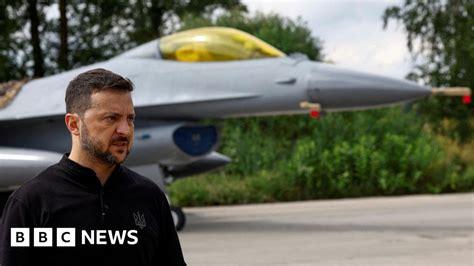
The downing of a third Ukrainian F-16 pilot in combat has underscored the vulnerability of Ukraine’s fragile air force at a pivotal moment in its defense against Russian aggression. With limited numbers of Western fourth-generation aircraft and a small cadre of trained pilots, every loss carries outsized consequences for Kyiv’s broader strategic capabilities.
Lieutenant Colonel Maksym Ustimenko, the latest pilot to be killed, intercepted seven incoming Russian air targets before his aircraft sustained critical damage and plummeted. The Ukrainian Air Force confirmed the pilot’s death on Sunday, a stark reminder of the intensity of the aerial warfare over Ukrainian skies.
The Strategic Role of the F-16s in Ukraine’s Air Defense
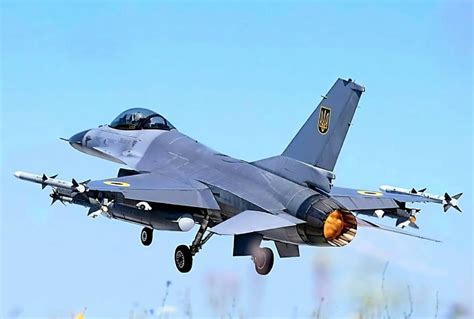
Ukraine’s persistent calls for F-16 Fighting Falcons, built by Lockheed Martin, reflected an urgent need to counterbalance Russia’s superior and more numerous air fleet. These jets, more advanced than Ukraine’s aging Soviet-era MiGs and Sukhois, offered hope for establishing air parity—or at least deterring unfettered Russian air superiority.
Despite Kyiv’s triumph in acquiring the aircraft from allies such as Denmark, the Netherlands, Norway, and Belgium, the actual delivery and deployment process has been hampered by logistical hurdles, training delays, and geopolitical caution. The fighter jets are vital for intercepting Russia’s relentless aerial barrages, which often include ballistic missiles, kamikaze drones, and cruise projectiles.
A Painful Loss of Expertise and Capability
What makes the recent fatalities exceptionally devastating is not merely the loss of machinery, but the deaths of irreplaceable talent. Ustimenko was no ordinary pilot—he had mastered four different aircraft types and logged an extensive combat record. His death follows the earlier losses of Moonfish (Oleksiy Mes), who died defending against a massive aerial assault, and 26-year-old Pavlo Ivanov, who perished in the skies above Sumy.
These are not merely tactical setbacks. Each pilot had undergone months, if not years, of advanced NATO-standard training abroad, much of which cannot be rapidly replicated. The pool of combat-ready F-16 aviators in Ukraine is perilously small, and training new candidates is a time- and resource-intensive process.
High-Risk Missions, Low-Margin Warfare
F-16 pilots have been tasked with intercepting complex air threats, often flying at low altitudes to visually identify and engage drones or cruise missiles. While effective, such missions place them dangerously close to Russian short-range air defense systems and man-portable air-defense systems (MANPADS).
Strategic analyst Frederik Mertens highlighted the inherent danger in these close-range, high-risk engagements. Pilots are often compelled to take bold, even reckless actions to prevent Russian missiles from reaching residential or critical infrastructure zones. The moral weight of civilian protection in these missions pushes aviators to their limits.
Aircraft Losses: Tactical Risk or Strategic Collapse?
Attrition is a given in any high-intensity conflict, particularly in air combat. However, Ukraine’s relatively small fleet makes even isolated incidents strategically impactful. The United States and its European allies pledged around 85 F-16s, yet not all have arrived.
- Denmark: Promised 19 jets, 12 already delivered as of February 2025
- Netherlands: Sent all 24 pledged jets
- Norway: Committed 6 jets by end of 2025, exact number delivered remains undisclosed
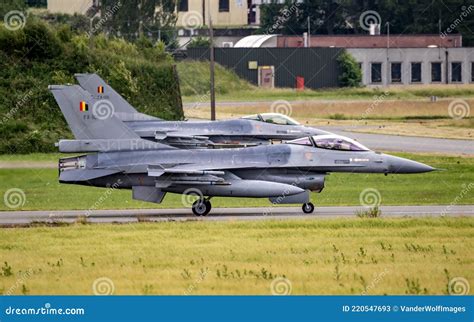
- Belgium: Promised 30 jets by 2028, with delivery delays pushing most past 2026
Even with deliveries underway, the challenge remains integrating these jets into operational readiness. Each aircraft requires not only trained pilots but also NATO-compatible maintenance crews, spare parts, ground control systems, and logistical coordination.
Russia’s Escalation and Ukrainian Resilience
The timing of the latest F-16 pilot death coincided with Russia’s most extensive aerial assault since the invasion began. According to Air Force spokesperson Colonel Yuriy Ignat, the overnight offensive included hundreds of drones, decoys, and a full spectrum of missiles, including the fearsome hypersonic Kinzhal.
Russia’s Defense Ministry openly described the attack as a “massive strike” targeting Ukraine’s energy grid, military industry, and fuel infrastructure. Ukrainian officials reported that several residential areas were hit, intensifying the humanitarian dimension of the war.
President Volodymyr Zelensky called for a full investigation into Ustimenko’s death and posthumously awarded him the Hero of Ukraine—the nation’s highest honor. All three fallen F-16 pilots now hold that title, reflecting their exceptional bravery and sacrifice.
Political Delays, Operational Consequences
While frontline units bear the burden of combat, decisions made in Brussels, Oslo, Copenhagen, and Washington reverberate in the cockpit of every Ukrainian F-16. Delays in aircraft transfers due to domestic defense transitions—such as Belgium’s shift from F-16s to F-35s—have ripple effects.
Belgium’s delivery timeline remains vague, despite promises. Prime Minister Bart De Wever pledged only four F-16s before 2026—two for parts and two airworthy. Defense Minister Theo Francken hinted at trying to speed up the process, but political inertia and logistical constraints cloud prospects.
The Mirage Stopgap and Multinational Coordination
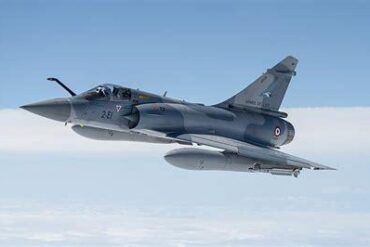
In early 2025, France supplied Mirage 2000 jets as part of a stopgap effort to diversify and strengthen Ukrainian air capabilities. While not a direct replacement for F-16s, the Mirages offer high-speed interception capabilities and fit well within Ukraine’s air denial strategy.
However, their integration adds another layer of complexity. Pilots must train on multiple platforms, taxing limited resources and dividing command structures. While beneficial in the short term, this mosaic air force composition risks creating longer-term maintenance and doctrinal issues.
Conclusion: A Decisive Juncture for Ukraine’s Skies
The loss of Ukrainian F-16 pilots is more than a battlefield tragedy—it is a strategic inflection point. Without accelerated delivery of remaining jets and an expedited pilot training pipeline, Ukraine faces the grim prospect of flying fewer sorties with dwindling expertise against a steadily intensifying Russian air campaign.
Every F-16 downed, every pilot lost, magnifies the urgency for NATO and allied powers to recalibrate their support—not only in terms of hardware but also in the training, logistics, and political will needed to sustain Ukraine’s air superiority efforts.
If Kyiv is to blunt Russia’s aerial dominance and shield its cities from destruction, the survival and operational success of its few precious F-16s must become a top strategic priority for the West.