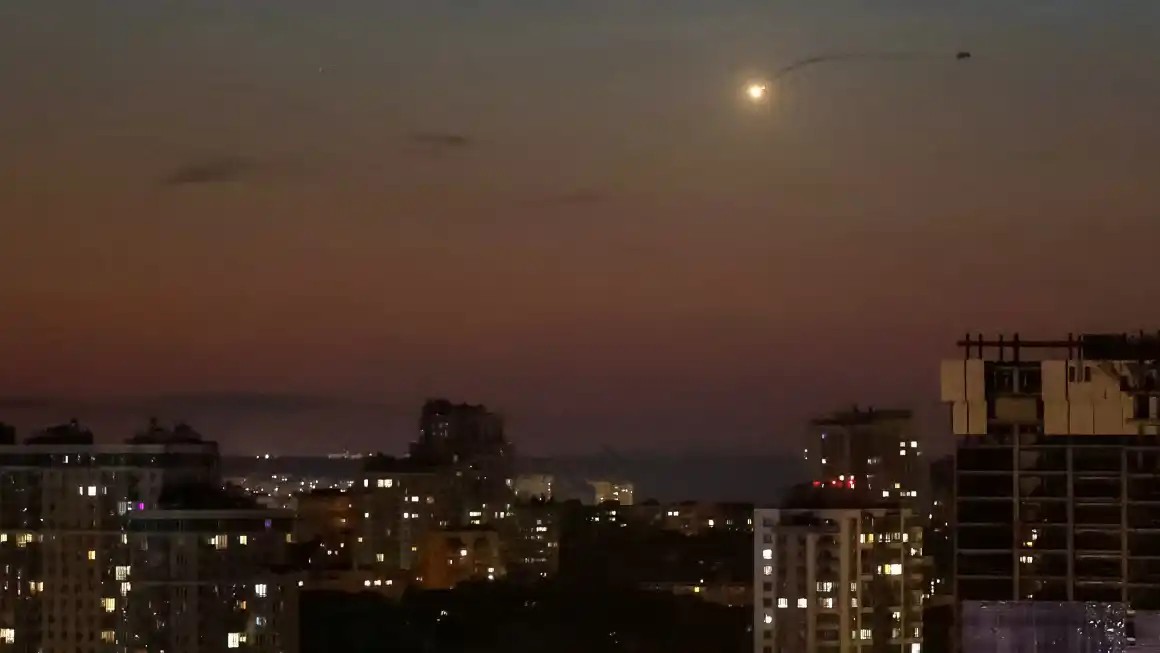
In one of the most devastating aerial assaults since the start of the full-scale war, Ukraine has lost a highly trained F-16 pilot and one of its few operational jets, dealing a heavy blow to the country’s already limited airpower amid relentless Russian attacks. The incident underscores the increasingly brutal nature of Russia’s summer campaign and Kyiv’s urgent calls for additional Western air defense systems.
Ukraine’s F-16 Fleet Suffers Another Blow
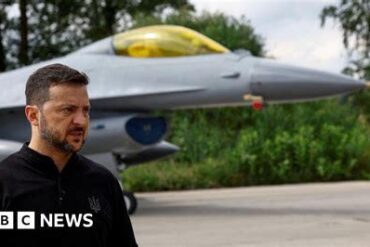
The Ukrainian Air Force confirmed on Sunday that 1st Class Lt. Col. Maksym Ustymenko, a combat-tested and highly respected F-16 pilot, was killed when his jet went down during a wave of Russian drone and missile strikes. The jet was part of a desperate defense against what is now being called one of Russia’s largest aerial bombardments to date.
Ustymenko, according to military statements, managed to destroy seven incoming targets before his aircraft was fatally struck. In a final act of selflessness, he attempted to divert the jet away from civilian areas but was unable to eject in time. His death marks the third F-16 pilot Ukraine has lost and the fourth aircraft destroyed since the platform was first fielded by Ukrainian forces in mid-2024.
An Assault of Unprecedented Scale
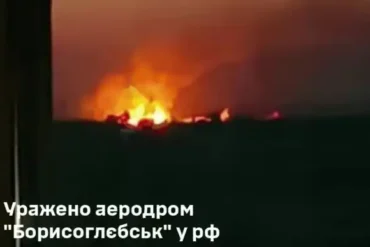
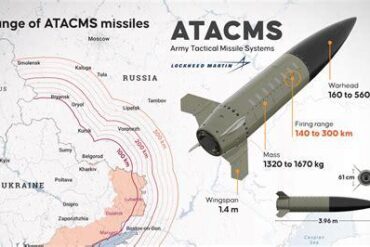
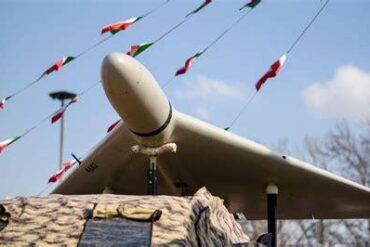
Ukrainian President Volodymyr Zelensky provided a grim overview of the attack, stating that Russia launched 477 drones and 60 missiles overnight, targeting at least six Ukrainian cities. The sheer volume of the attack, coupled with the diversity of weaponry deployed, makes it one of the most complex and intense aerial threats Ukraine has faced in the war.
Zelensky emphasized the scale and sophistication of recent Russian strikes. More than 1,270 drones, over 1,100 glide bombs, and 114 missiles were launched throughout the week. The aircraft and munitions, many of which operate at high altitudes or evade radar detection, are increasingly evading Ukraine’s overstretched defenses. The Ukrainian military claimed to have downed 211 drones and 38 missiles overnight, but it was far from enough.
Russia Targets Civilian Infrastructure
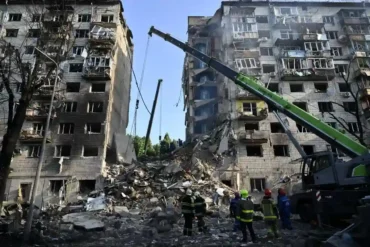
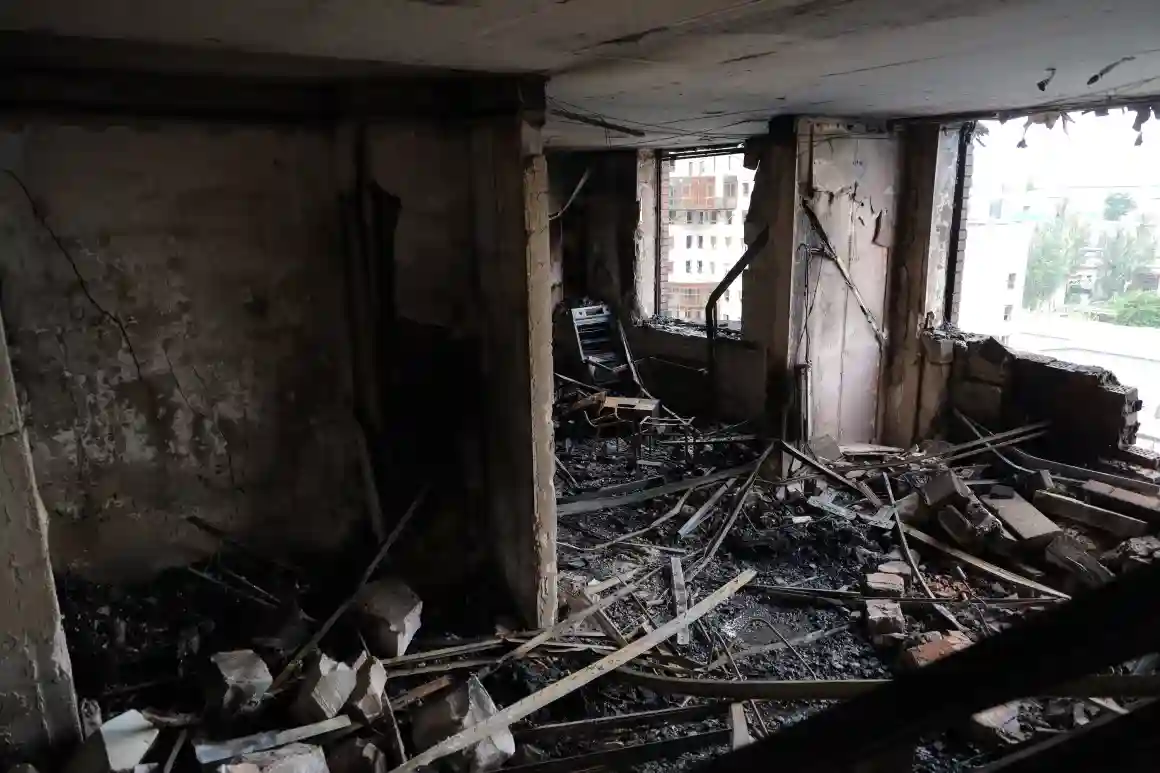
Despite the Russian Ministry of Defense’s claim that the targets were military-industrial facilities and oil refineries, the damage on the ground tells another story. In the city of Smila, located in central Ukraine’s Cherkasy region, at least 11 people were injured, including two children. The barrage damaged three nine-story apartment blocks, a psychiatric hospital, four schools, and numerous homes and vehicles.
In Odesa, a coastal city repeatedly hit throughout the war, a residential building took a direct hit from a Russian drone, leaving families homeless and emergency responders scrambling to rescue survivors.
Zelensky Renews Plea for Patriot Missile Systems
As the aerial threat intensifies, President Zelensky is amplifying his calls for additional American-made Patriot missile systems, which are regarded as the gold standard in high-altitude air defense. While Ukraine currently operates approximately half a dozen Patriot batteries, officials warn that stockpiles of interceptor missiles are dwindling and replenishment has become a political chess piece.
Zelensky’s appeal was particularly directed at the U.S. administration under President Donald Trump, which has signaled potential reductions in military aid. “This war must be brought to an end — pressure on the aggressor is needed, and so is protection,” Zelensky stated. “Protection from ballistic and other missiles, from drones, and from terror.”
Strategic Loss: The Value of a Fallen Pilot
Lt. Col. Ustymenko’s death has struck a raw nerve within the Ukrainian Air Force. Trained extensively to fly one of the world’s most advanced multirole fighter aircraft, Ustymenko was part of a very small cadre of elite aviators. F-16 pilots in Ukraine undergo months of training, often abroad in NATO countries, before qualifying for combat operations. Replacing a pilot of his caliber is not just a question of time but also of strategic readiness.
The loss reduces Ukraine’s F-16 force projection at a time when air superiority is slipping further from Kyiv’s grasp. Though the aircraft provide superior radar, targeting systems, and weapons compatibility, their impact is diluted without comprehensive support systems, airfields safe from missile strikes, and enough skilled personnel.
Western Hesitation and the Price of Delay
While the delivery of F-16s marked a turning point in Ukraine’s air capability, the hesitancy of some Western nations to speed up the transfer of more jets, spare parts, and training resources has begun to show dangerous consequences. Ukrainian analysts argue that the piecemeal support strategy is failing in the face of Russia’s exponential ramp-up of aerial aggression.
Defense observers also point to the broader implications: Ukraine’s ability to defend its skies affects not only front-line combat effectiveness but also civilian morale, economic stability, and the safe operation of logistics and humanitarian corridors.
Kyiv Breaks from Ottawa Treaty Amid Mine Crisis
In a politically charged move that reflects the war’s brutal asymmetry, President Zelensky announced that Ukraine would withdraw from the Ottawa Treaty, the international agreement banning the use of anti-personnel landmines. The decision, already long debated within Ukraine’s parliament, is now seen as necessary due to Russia’s unrestricted use of mines across Ukrainian territory.
According to Roman Kostenko, a senior Ukrainian lawmaker, “Russia is not a party to this Convention and uses mines against our military and civilians on a massive scale. We cannot remain bound by conditions when the enemy has no restrictions.”
The United Nations ranks Ukraine as the most heavily mined country in the world. Vast regions along the eastern and southern frontlines are riddled with unexploded mines, making even post-conflict recovery a daunting challenge. Improvised warning signs litter the countryside, and entire farming communities remain displaced.
Escalation Without End
Russia’s current air campaign represents more than just a military operation. It is a test of Ukraine’s endurance, a measure of Western resolve, and a window into the future of modern warfare — one in which drones, missiles, and precision strikes dominate. Each attack stretches Ukraine’s defensive umbrella thinner, risking further losses of trained pilots, strategic infrastructure, and civilian lives.
As the death toll climbs and Ukraine’s skies burn nightly, the war is no longer just about territory. It’s about attrition, access to technology, and the will of international partners to help defend democracy against a persistent aggressor.
For now, the Ukrainian flag still flies. But the cost of each wave of drones and missiles — in lives, in machines, and in hope — continues to mount.